Developing countries will receive £4 million to drive down the emissions of harmful hydrofluorocarbons generated by outdated air conditioning units, cooling refrigeration and cold supply chains, the government of GB has announced 20th April.
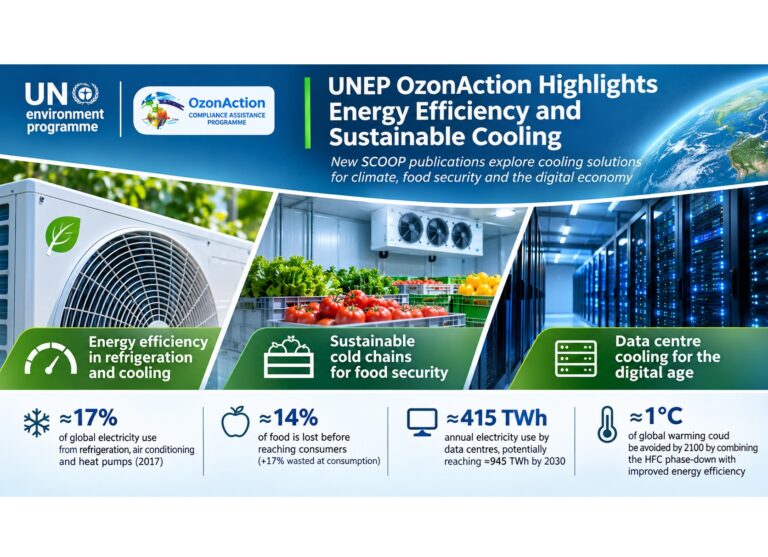
Hydrofluorocarbons are industrial chemicals primarily used for cooling and refrigeration. They are amongst the fastest-growing source of greenhouse gas emissions in the world, and when emitted have a global warming potential thousands of times that of carbon dioxide.
The funding will help deliver an African Centre of Excellence for Sustainable Cooling and Cold Chain – based in Kigali, Rwanda – which delivers training to farmers, healthcare workers and technicians to uptake more climate friendly and energy-efficient cooling.
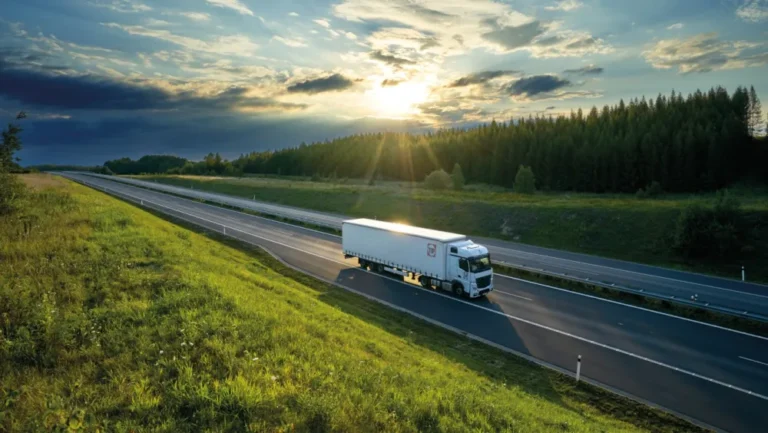
As well as reducing emissions, developing nations will be better placed to store food and medicines more efficiently with the use of more efficient technologies. These will also help to improve farming productivity and reduce poverty, as for many crops up to 40% of the harvested produce is lost before being sold.
The Environment Secretary Thérèse Coffey said:
“The UN Montreal Protocol has played a vital part in protecting our ozone layer from harmful depleting substances and, as a global leader in the fight against climate change, I am delighted to be able to welcome the scientists leading the charge on this to Downing Street.
This funding will help developing countries to play their part in tackling climate change and communities across the world with storing food and medicines more efficiently – as well as support farmers to increase their productivity.”
Alongside improvements to cooling equipment efficiency, UK leadership for early action on hydrofluorocarbons under the Montreal Protocol could avoid up to a degree of warming by the end of the century. The UK continues to cut consumption of hydrofluorocarbons at a faster pace than required under the Kigali Amendment to the UN Montreal Protocol – since 2015, levels have been reduced by 55% and by 2030 this will have phased down by 79% under existing legislation.
On top of today’s announcement, a further £1.2 million is being allocated towards the development of a roadmap and virtual modelling tools to help developing countries pilot techniques before they are implemented – enabling them to deploy the most efficient and cost-effective approach to more sustainable cooling.
The UK is a global leader in supporting efforts to halt the decline in nature and restore the natural world, with UK leadership helping to deliver an ambitious new global deal for nature to protect 30% of our land and ocean by 2030 at the UN Nature Summit COP15 in December.