Esta página solo está disponible en inglés. Ir a la portada en español

×

Questa pagina è disponibile solo in inglese. Home page in italiano

×

Diese Seite ist nur auf Englisch verfügbar. Zur deutschen Startseite

×

Cette page est disponible uniquement en anglais. Aller à la page d'accueil en français

×

World Cold Chain Symposium 2025 focuses on private sector collaboration

World Cold Chain Symposium 2025 focuses on private sector collaboration

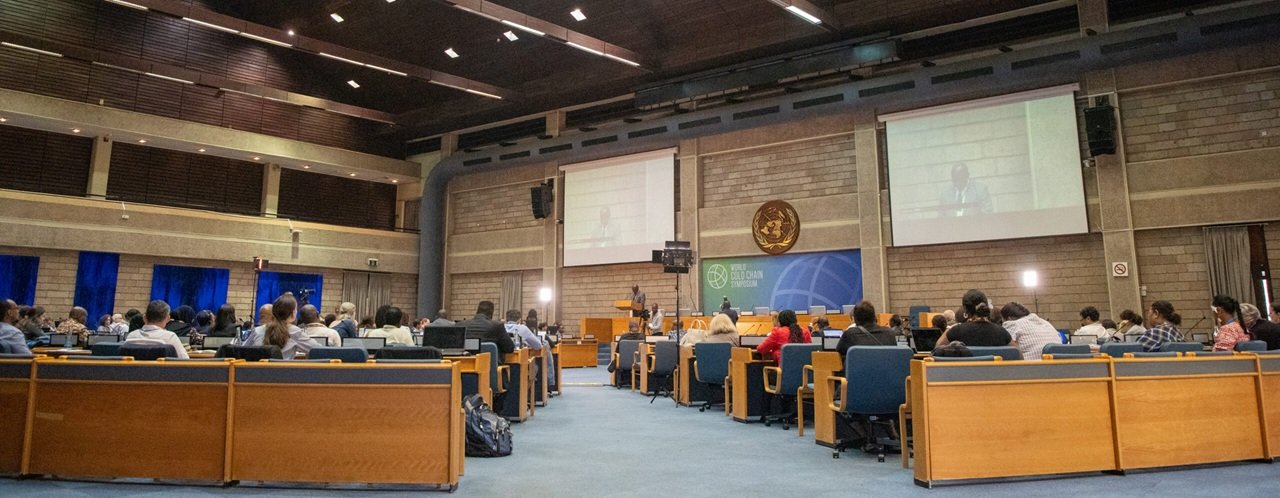
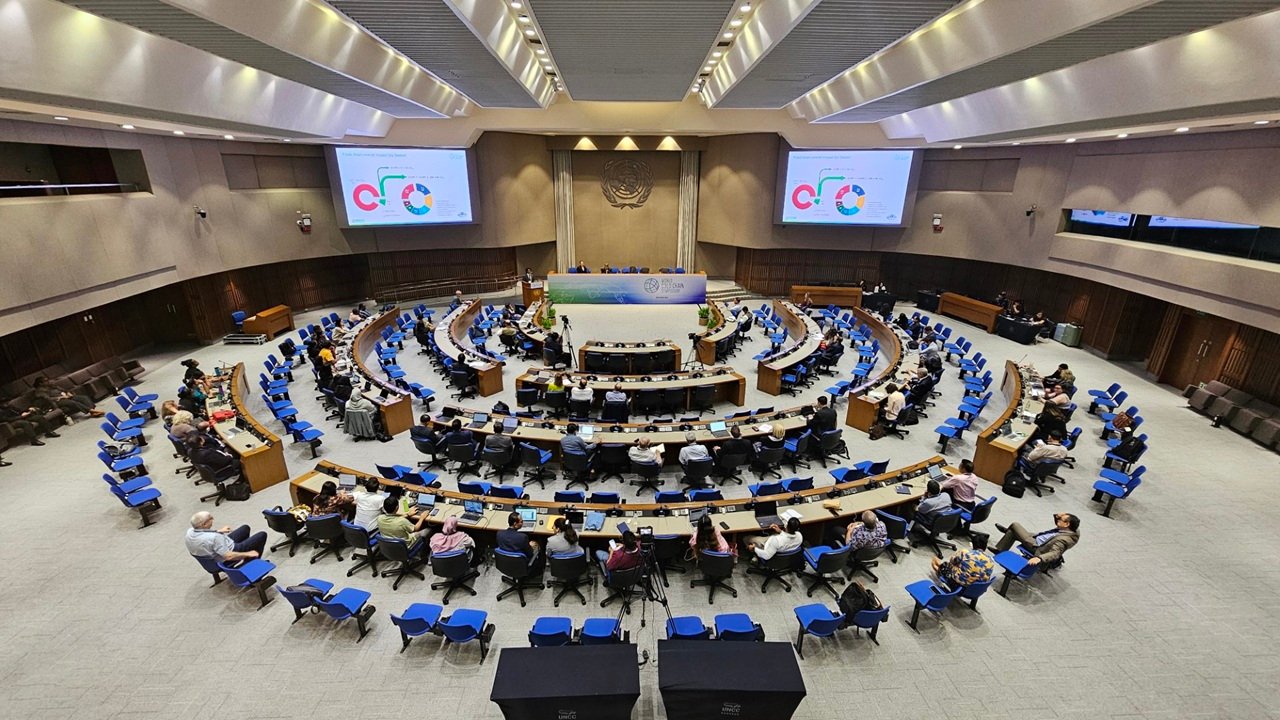
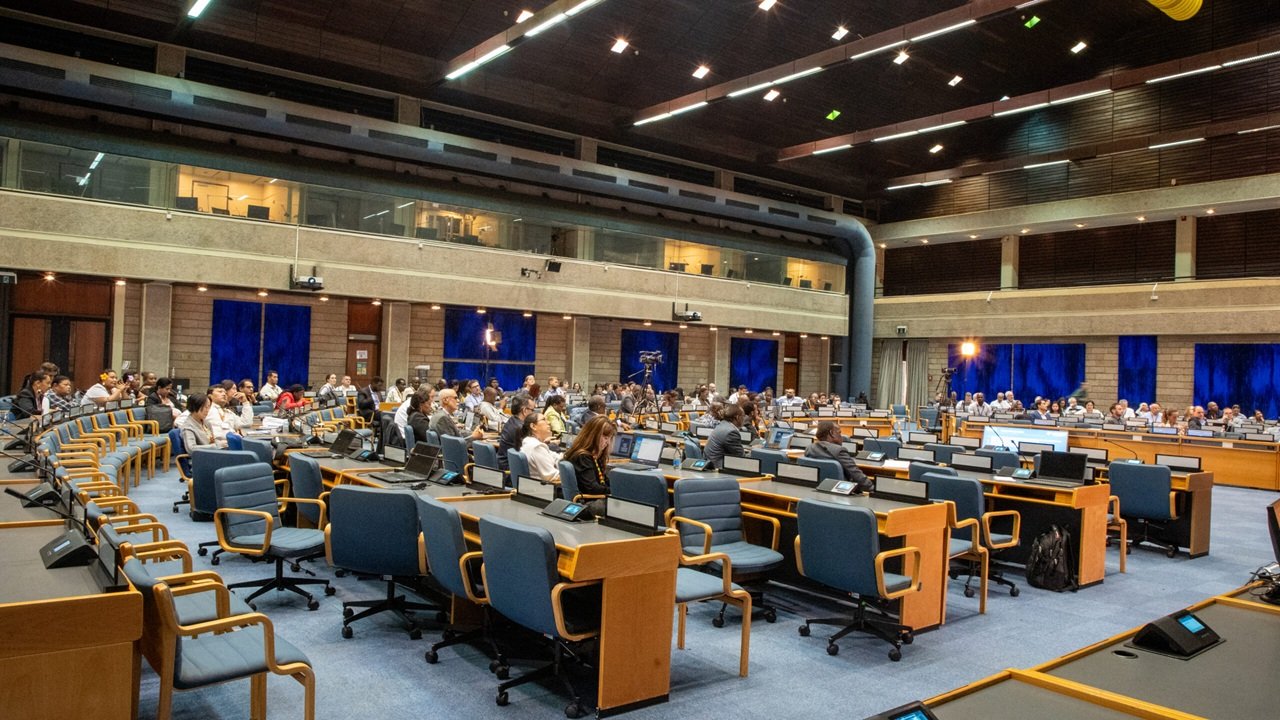
The World Cold Chain Symposium (WCCS) 2025 took place on 1 November at the UNEP Headquarters in Nairobi, Kenya, ahead of the 37th Meeting of the Parties to the Montreal Protocol. Organised by the Global Food Cold Chain Council (GFCCC) in partnership with UNEP OzonAction and Carrier, this year’s event focused on “Energizing the Private Sector”, highlighting the role of public-private partnerships in developing sustainable cold chains.

The symposium featured four sessions addressing key aspects of cold chain development. The opening session explored how the Kigali Amendment has expanded opportunities for integrating environmental policy, energy access, and economic development. Speakers emphasized regulatory approaches that support innovation and the need for cross-ministerial collaboration and private sector investment.

In the second session, organisations including WWF, DanChurchAid, and UNIDO presented successful programmes using solar-powered systems and revolving funds. The panel discussed transitions from grant-based models to blended finance and pay-per-use approaches, aimed at reducing investment risk and empowering local stakeholders.

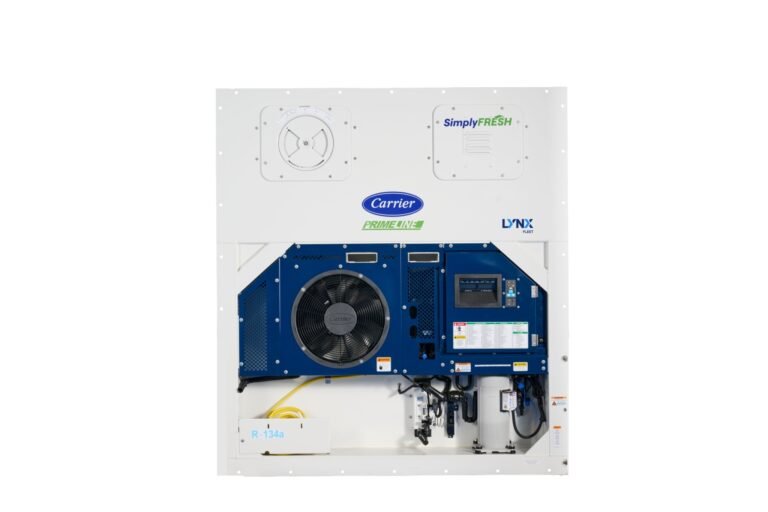
Session three highlighted private sector contributions from Carrier, Bitzer, and Danfoss, showcasing sustainable cold chain technologies and business models tailored to local needs. Marco Durán of the International Institute of Refrigeration (IIR) presented the EU-funded SophiA and AGRI-COOL projects, which developed container solutions for health and food cold chains through African-European research and industry collaboration. Durán noted the value of applied research, skill development, and training in these initiatives.

The final session spotlighted scalable investment-ready projects from KK Fresh Produce Exporters, IKIC Impact Ventures, and KIVU Cold Group. Presentations focused on strengthening project pipelines and linking innovators with financial resources.

The event concluded with a keynote, closing remarks, and a networking session, aiming to equip stakeholders with practical tools to advance global cold chain development.
Get the daily refrigeration briefing

One email a day. Trusted by 3,000+ RACHP professionals.

More on Cold Chain

All on Cold Chain →

Insights

Secop's Solar Direct Drive (SDD) System Earns WHO PQS Approval – The Team Behind It
Article

Secop’s Solar Direct Drive (SDD) System Earns WHO PQS Approval – The Team Behind It

Partner's material In March 2026, Secop’s Solar Direct Drive Power Management Module was granted WHO PQS prequalification and officially listed in the WHO Catalogue of Prequalified Immunization Devices. The WHO IMD-PQS (Immunization Devices Performance, Quality and Safety programme) is the global benchmark for cold chain equipment used in immunisation. Being listed in its catalogue is

22 Jun 2026
Case Study - Effect of Louvers or diffusers on air flow distribution and cooling time on a meat log during Chill cycle
Tech Guide

Case Study – Effect of Louvers or diffusers on air flow distribution and cooling time on a meat log during Chill cycle

By Kushal Aurangabadkar An experimental analysis was conducted on a cooler space measuring 3.66 m × 6.096 m (12.0 ft × 20.0 ft), equipped with an ammonia refrigeration coil, five 30 cm (12 in.) fans, and five diffusers. The study measured airflow patterns, cooling rates, and heat transfer efficiency in meat storage by testing two configurations:

Kushal Aurangabadkar · 21 Jan 2026
Total Cost of Ownership (TCO) for Modular Refrigeration Systems in Life Sciences Distribution Centers
Tech Guide

Total Cost of Ownership (TCO) for Modular Refrigeration Systems in Life Sciences Distribution Centers

by Ramez Naguib, P.E. Introduction Life sciences distribution centers are under immense pressure to deliver consistent temperature control, comply with increasingly stringent regulations, and optimize operational efficiency. Traditional built-up refrigeration systems often prove cumbersome, costly, and slow to implement. In contrast, modular, factory-assembled refrigeration systems have emerged as a compelling alternative. Drawing on lessons from

Ramez Naguib · 14 Jan 2026
Everything on Cold Chain: 2,056 articles, 2 case studies, 23 insights

Most read this month

All news →