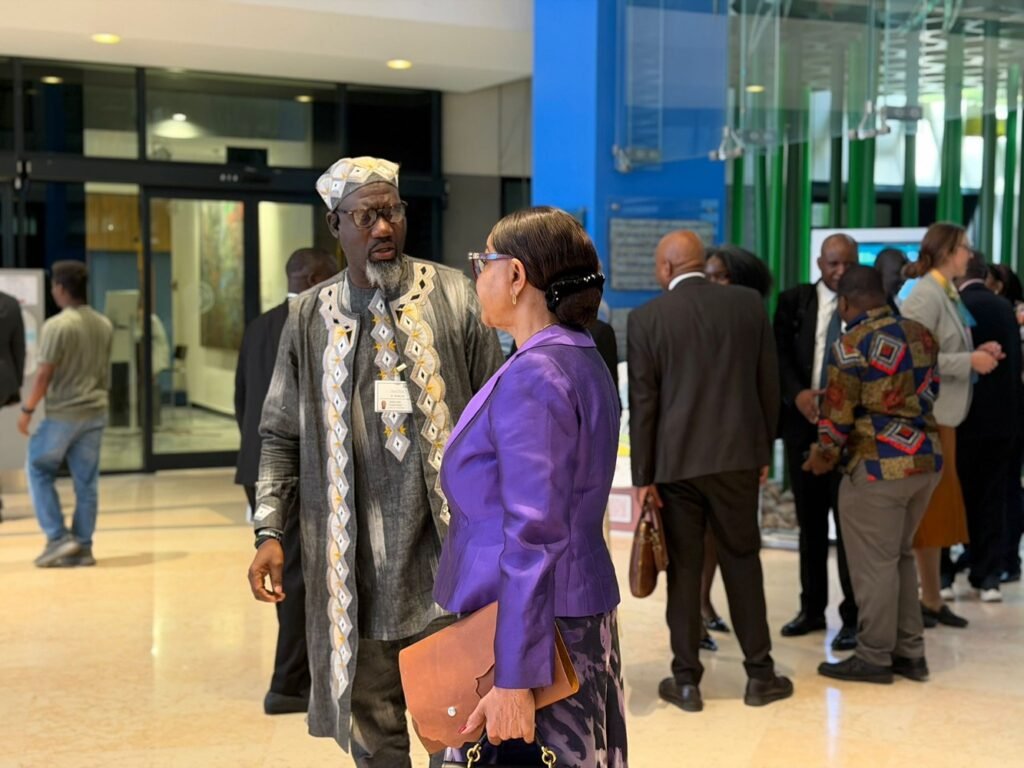
U-3ARC announced a continent-wide call for stronger technician training, refrigeration standards and government action on September 24, marking the fifth Africa Refrigeration Day. President Madi Sakandé urged refrigeration and air-conditioning professionals, national associations, governments and civil society to treat cooling infrastructure as a priority for food preservation, healthcare and technical workforce development.
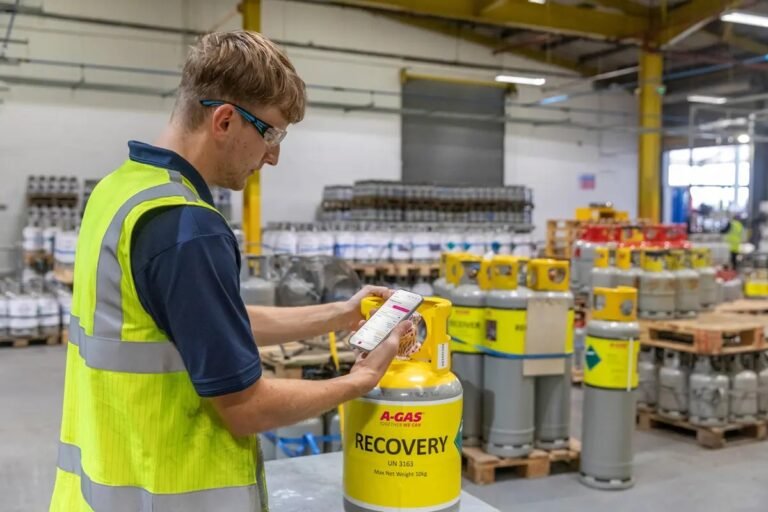
The association is focusing technician development on alternative refrigerants including R290, R1270, R744, R717, R1234yf and R32, alongside certification and refrigerant recovery practices. Training academies in Tunis and Ouagadougou have already trained hundreds of technicians from several countries, with additional academies planned in the Democratic Republic of Congo and Cameroon as well as other U-3ARC member countries.
U-3ARC was founded on September 24, 2020, in Ouagadougou by 30 associations from 29 African countries. It now represents more than 45 associations, more than 20,000 companies and nearly 150,000 people. More than 10,000 technicians have been registered to date, while the organization is seeking substantially wider participation through its national member associations.
Policy priorities include an African Refrigeration Directive based on common standards, energy efficiency and refrigerants adapted to African conditions. Sakandé also called on governments to invest in training centers, introduce refrigerant legislation, protect local technicians from competition involving imported substandard equipment and review taxation on refrigeration and air-conditioning equipment and tools. He cited import taxes of up to 111% on new high-performance equipment and argued that equipment supplied to African markets should be suitable for local climatic conditions.
The message also urged national associations to engage ministries responsible for health, agriculture and energy, and called on civil society to support policies covering training, certification and subsidies for low-carbon equipment. Journalists were encouraged to give greater attention to refrigeration technicians and the role of cold-chain infrastructure in protecting food and vaccines. “It is neither a party nor a commemoration. It is a call to account,” said Madi Sakandé, President of U-3ARC.