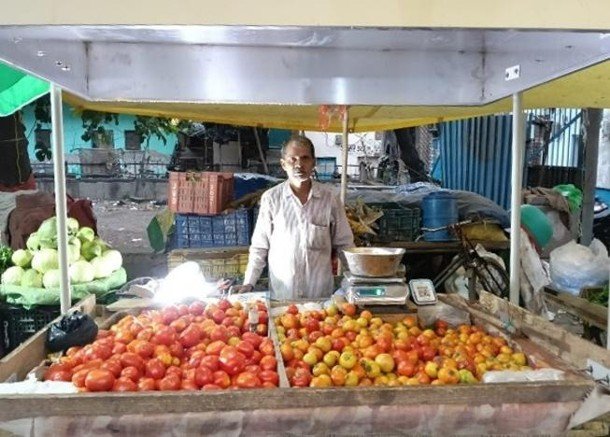
SPACECOOL has deployed its radiative cooling material on fruit and vegetable vending carts in India. Early users report that produce remains marketable for up to four days, compared with around two days under similar conditions. Preliminary estimates indicate the carts could contribute to a 10–25% increase in vendor income by reducing food losses and improving operating efficiency.
The carts use SPACECOOL passive radiative cooling technology without requiring additional energy consumption. Vendors report that green leafy vegetables, which are particularly vulnerable to heat exposure and spoilage, deteriorate more slowly and generate less end-of-day waste.
The deployment is part of SPACES, or Scaling Passive and Affordable Cooling Solutions for Economic resilience and Sustainability. The initiative is funded by Shell Foundation and the UK government’s Foreign, Commonwealth & Development Office through the Transforming Energy Access platform under the Global Research and Technology Development portfolio, with Intellecap serving as implementation partner.
The programme focuses on cooling applications intended to reduce the effects of heat stress on low-income communities in India. Longer produce shelf life can reduce vendors’ trips to wholesale markets, cutting fuel use, travel time and associated operating costs. Participating vendors have also reported increased customer interest linked to the cart design.
SPACES is moving into its next phase, with continued monitoring of cooling performance, user comfort, productivity and income impacts. Evidence from the pilot deployments will be collected and shared with potential adopters, policymakers and other ecosystem partners as the programme evaluates opportunities for wider commercial adoption.