Esta página solo está disponible en inglés. Ir a la portada en español

×

Questa pagina è disponibile solo in inglese. Home page in italiano

×

Diese Seite ist nur auf Englisch verfügbar. Zur deutschen Startseite

×

Cette page est disponible uniquement en anglais. Aller à la page d'accueil en français

×

CLASP reports appliance efficiency policies to cut 4.6 Gt CO2

Appliance and equipment efficiency now features in 90% of submitted national climate goals, up from less than 50% in the previous cycle.

CLASP reports appliance efficiency policies to cut 4.6 Gt CO2

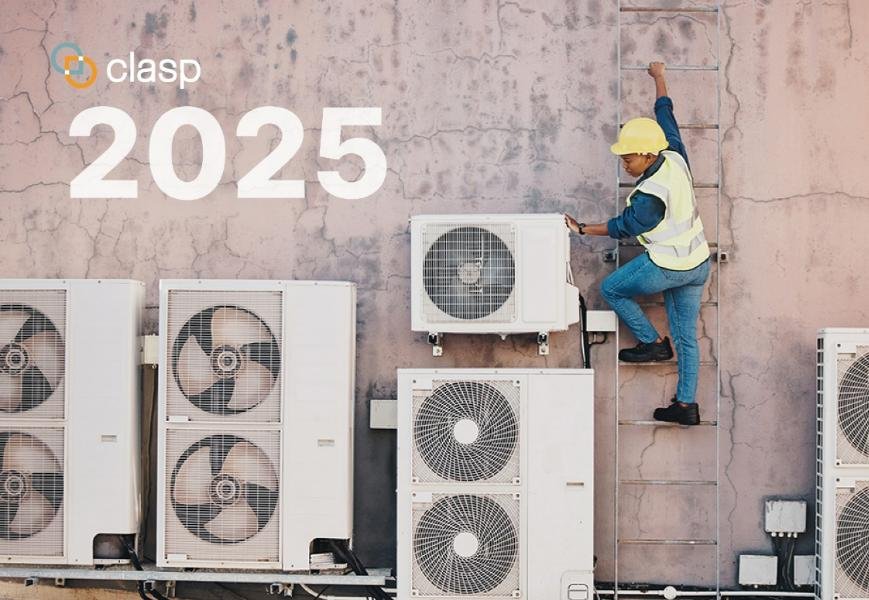
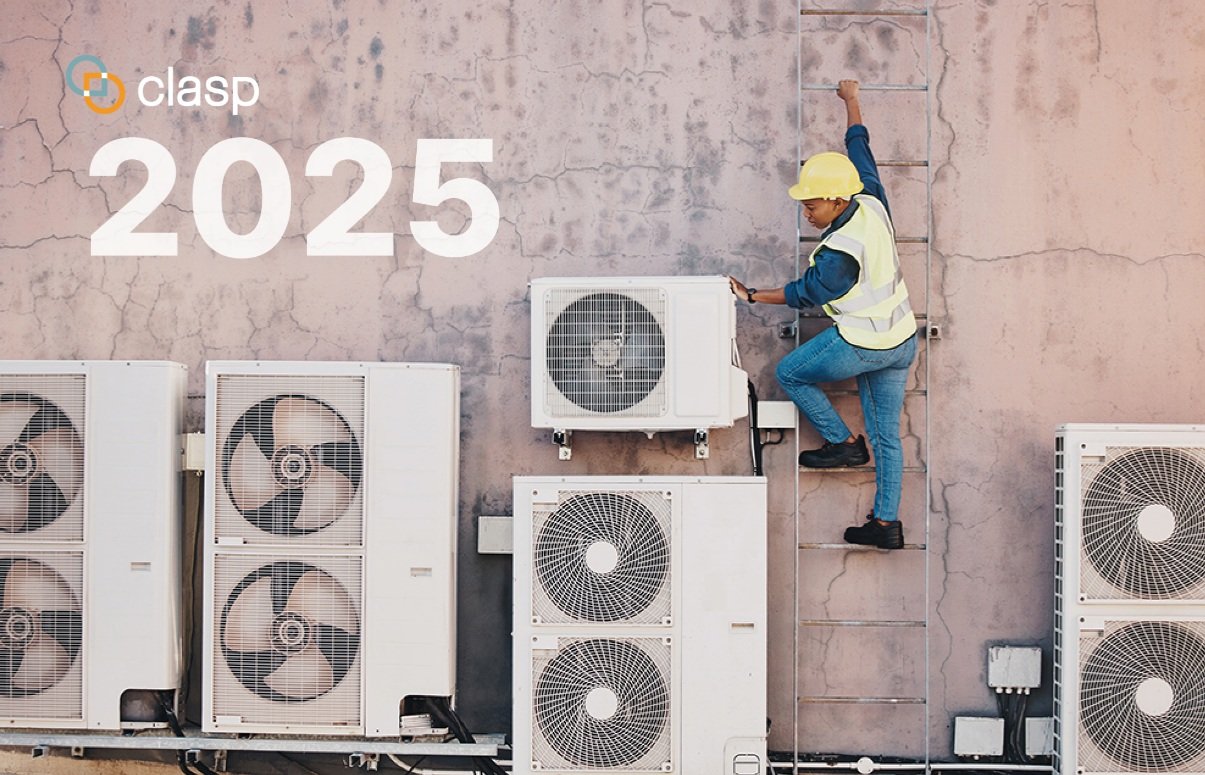
CLASP said 18 appliance and equipment efficiency policies supported by the organization in 2025 are expected to avoid 4.6 gigatons of CO2 by 2050. The results were published in the 2025 CLASP Annual Report, which focuses on energy efficiency as part of climate, energy security, and livelihood strategies.

Ahead of COP30, CLASP led a campaign to increase the inclusion of appliance and equipment efficiency in national climate goals, or nationally determined contributions. According to the report, appliance and equipment efficiency policy is now included in 90% of submitted NDCs, up from below 50% in the previous cycle.

The report says CLASP supported policy work in several markets. Australia passed a lighting policy to move the market toward LED lighting and avoid 41 Mt of CO2 by 2050. Brazil approved a lighting policy package expected to cut nearly 3 Mt CO2 by 2050. In China, seven policy updates, including for compressed air systems, refrigerators, and water pumps, are estimated to cut nearly 3 Gt CO2 by 2050. In India, CLASP supported policies for space cooling appliances expected to cut 1.2 Gt CO2 by 2050.

CLASP also reported that more than 30,000 people experienced improved health and livelihoods through access to efficient, solar-powered appliances and equipment. In Africa, the organization re-launched its Productive Use Financing Facility to support entrepreneurs, farmers, and small businesses in Ethiopia, Kenya, and Nigeria in buying solar-powered appliances and equipment.

The report also highlights work on electric cooking and industrial motor systems. CLASP joined the UK Aid-supported Modern Energy Cooking Services Programme as a core partner with Loughborough University and the World Bank’s ESMAP, and launched the Global LEAP Awards Induction Cooktops Competition in 2025. It also identified motor systems as a priority area, stating that without intervention they will account for 35% of global electricity demand and 19% of energy-related emissions by 2050.

Christine Egan, CEO of CLASP, said: “Appliance and equipment energy efficiency is a triple-win for people, planet, and prosperity. In a time of multiplying global crises, it stands out as a durable climate solution and key element of smart decarbonization strategies.”

Get the daily refrigeration briefing

One email a day. Trusted by 3,000+ RACHP professionals.

More on Regulations

All on Regulations →

Insights

EPA Delays Low-GWP Refrigerant Deadlines, Splitting the US Cooling Industry
Market Research

EPA Delays Low-GWP Refrigerant Deadlines, Splitting the US Cooling Industry

The deadline that supermarkets faced to install new refrigeration systems running on low-GWP refrigerants was January 1, 2027. It is now January 1, 2032. On May 21, 2026, alongside President Trump in the Oval Office, EPA Administrator Lee Zeldin announced final revisions to the 2023 Technology Transitions Rule and a proposed technical fix to the

25 May 2026
2025 in Refrigeration — What Changed, What Mattered, What’s Next
Market Research

2025 in Refrigeration — What Changed, What Mattered, What’s Next

Refindustry has released its 2025 year-in-review, compiled from the most-read and most impactful updates published on https://refindustry.com/. The review captures how the industry moved from “refrigerant choice” discussions to real-world transition execution—where compliance pathways, safety engineering, component readiness, service capacity, and digital monitoring determine outcomes on projects and in day-to-day operations. What shaped 2025 in

21 Jan 2026
Ammonia Refrigeration Evolves Amid Growing Competition
Market Research

Ammonia Refrigeration Evolves Amid Growing Competition

By: Ilana Koegelenberg   Ammonia (NH3/ R717) refrigeration continues to dominate industrial applications across the United States and European Union, but the sector is undergoing significant transformation as operators balance traditional advantages with evolving safety requirements, workforce challenges, and competition from alternative refrigerants. While ammonia maintains its stronghold in large-scale facilities, new technologies and regulatory

Ilana Koegelenberg · 25 Jul 2025
Everything on Regulations: 853 articles, 24 insights

Most read this month

All news →