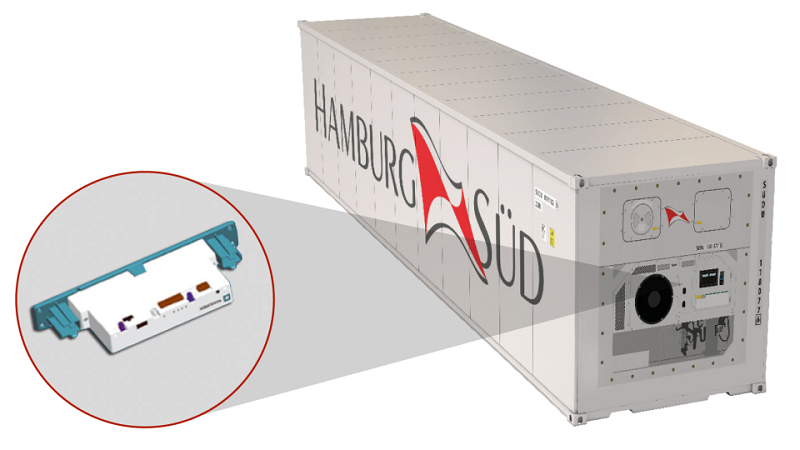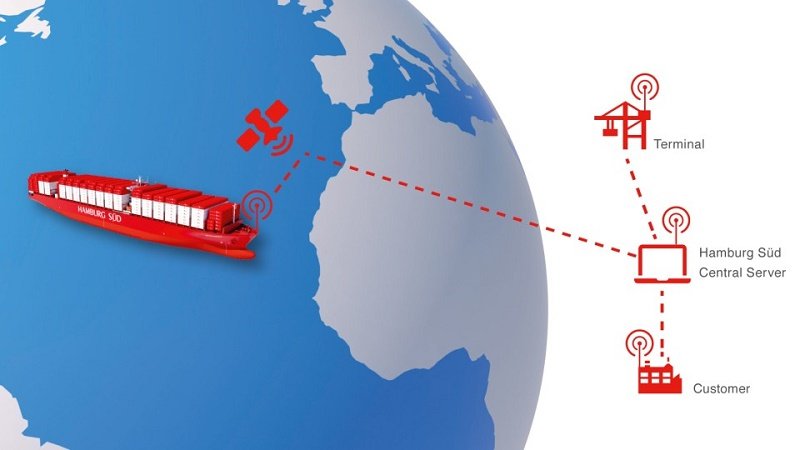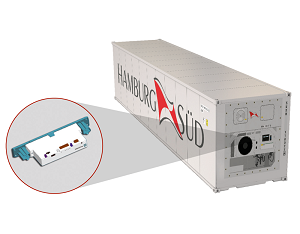
With immediate effect, all Hamburg Süd customers can use the new Remote Container Management (RCM) technology for their reefer container shipments. RCM monitors parameters such as temperature, relative humidity, and the concentrations of O₂ and CO₂ within the reefer container in real time. The added value of using RCM is that it enables customers to use this data to monitor their supply chain better, to make it much more efficient and reliable, and to thereby leverage great potential for cost savings. As a special feature the data of the cargo probes for Cold Treatment cargo are available online.
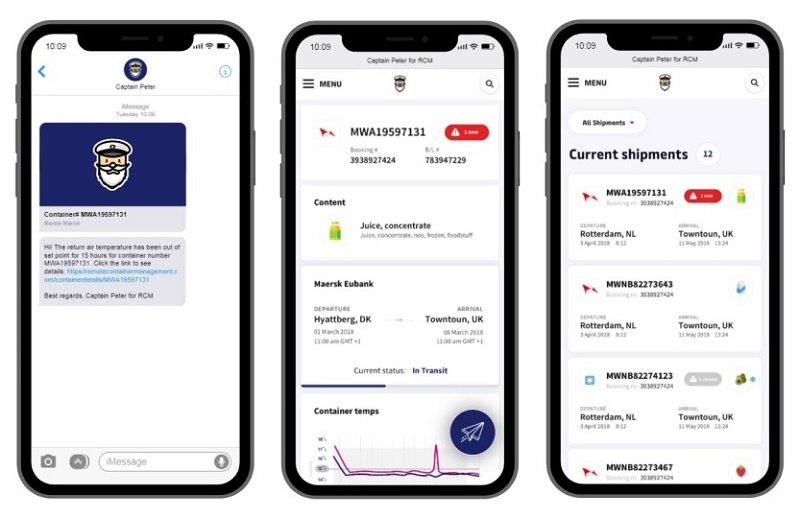
The whole reefer container fleet of Hamburg Süd and Maersk has been outfitted with the necessary technology. Recent months have been spent carrying out test shipments and developing the digital customer interface. The result is an intuitive, very user-friendly online application that can be accessed via PC, tablet or smartphone, and that conveniently displays all important parameters of the refrigerated container.
Once registered customers have logged in, they will receive an overview of the reefer containers they have booked as well as information on ports of departure and destination, container numbers and vessel names. The “Journey Log” shows all the important events of the container transport, such as delivery to the terminal or loading onto and discharging from the ship. Customers can view the data on the conditions within the containers at any time and, with just a few clicks, download it as an Excel list or forward it directly, for example, to the recipient of the goods. What’s more, customers get notified if settings are deviating from standard parameters. If critical limit values are exceeded or not maintained, Hamburg Süd’s operations team also receives an alarm notification so that they can take any measures necessary to safeguard quality of the cargo.
If users have any questions about their current shipments or the application itself, they can immediately get in touch with reefer experts at any time 24/7 via a chat function. “With RCM, we are combining the best of both worlds for our reefer customers: digital state-of-the-art technology, which is already tailored as much as possible to individual requirements, in addition to a personal service that can be accessed at any time,” says Frank Smet, Chief Commercial Officer (CCO) of Hamburg Süd.