Innovative Refrigeration System Promises Greener Future for Supermarkets

Innovative Refrigeration System Promises Greener Future for Supermarkets

University of South Australia (UniSA) researchers have partnered with industry to develop a groundbreaking, energy-efficient refrigeration system that could transform cooling in supermarkets, hospitals, abattoirs, and other facilities.

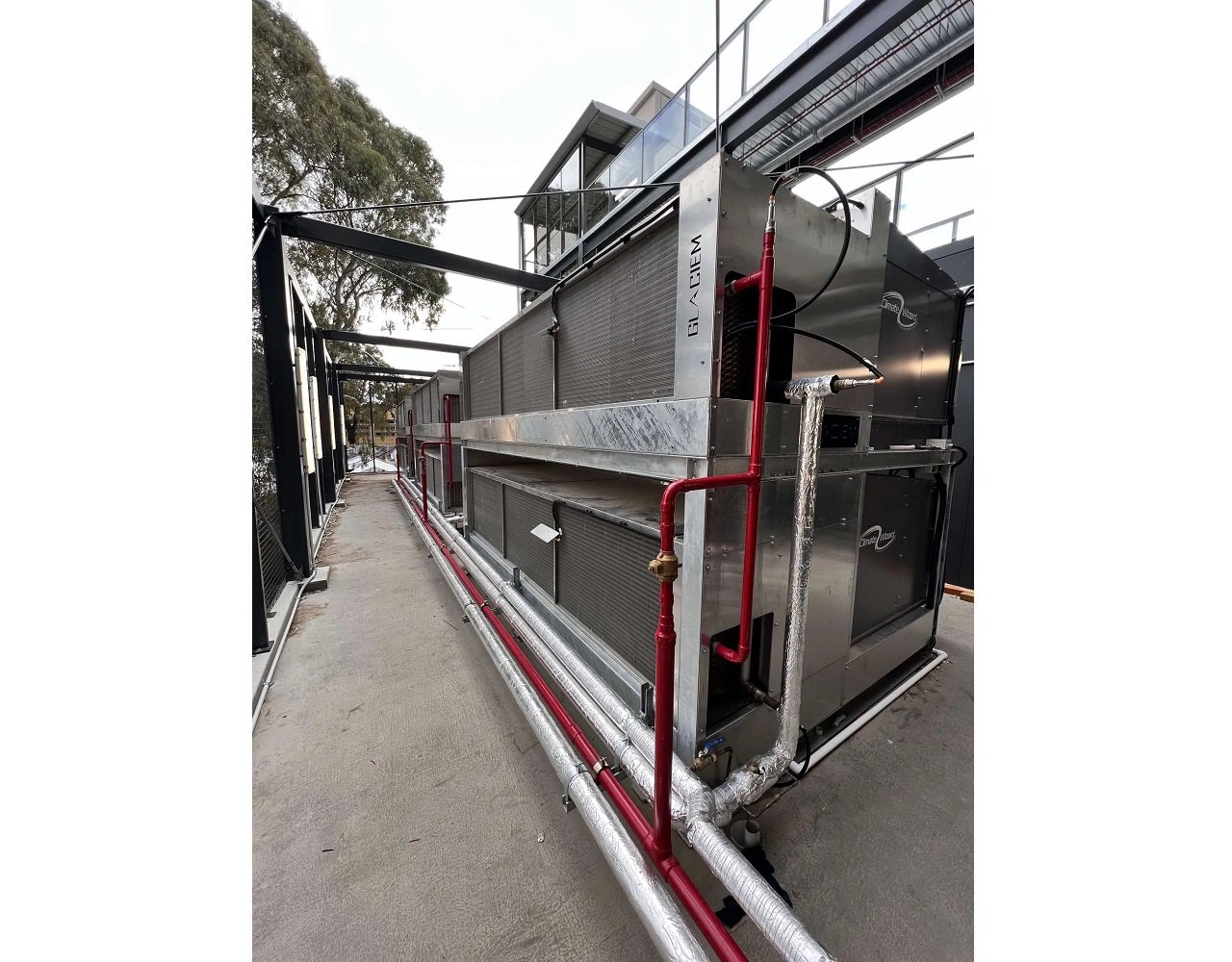
The indirect evaporative (dew point) carbon dioxide (DP-CO2) refrigeration system, co-developed by UniSA and Glaciem Cooling Technologies, has been installed and tested at the new Coles supermarket in Norwood, SA, under the RACE for 2030 CRC research program.

Preliminary results show the system can cut annual refrigeration energy consumption by 19% and reduce peak electricity demand by 37%, lowering greenhouse gas emissions and operational costs.

According to Dr. Tim Lau, UniSA sustainable energy researcher and chief investigator, heating, ventilation, air conditioning, and refrigeration can account for up to 70% of customers’ electricity usage and 24% of Australia’s electricity consumption. “The system uses dew point coolers to pre-cool the ambient air, allowing efficient operation even in hot climates exceeding 40 degrees Celsius, cutting energy usage by more than a third during summer months,” Dr. Lau explains.

A computational model has been developed to evaluate the system’s potential in various sectors, including hospitals, meat processing plants, cold storage, and aquariums. The most significant benefits are anticipated in hot, dry climates like central Australia.

“This project paves the way for greener and more cost-effective commercial refrigeration, not only in Australia but across the world,” Dr. Lau concludes.

If the promising results are replicated, Coles and other businesses may adopt the new system across their sites, significantly reducing electricity consumption and greenhouse gas emissions.
Get the daily refrigeration briefing

One email a day. Trusted by 3,000+ RACHP professionals.

Related news

ARNEG · Partner

Arneg Korea highlights CO2 refrigeration at South Korea workshop

More than 200 CO2 installations are due online as a supermarket case study showed a 38.4% reduction in electricity consumption.

CO₂
Cold Chain

GEA system extends Betko fruit storage to 14 months in South Africa

The integrated plant, envelope and storage layout handled more than 37,000 bins in its first season, surpassing design capacity.

Yesterday
Commercial Refrigeration

MarketsandMarkets forecasts refrigeration coolers market at $6.85 billion

The global refrigeration coolers market is projected to grow from USD 4.72 billion in 2026 to USD 6.85 billion by 2032, according to MarketsandMarkets. The research firm forecasts a compound annual growth rate of 6.4% during the period. Market growth is linked to investment in energy-efficient refrigeration infrastructure across retail, food and beverage processing, logistics

21 Jul 2026
Commercial Refrigeration

SYCLEF expands in Romania through HORECO partnership

The deal, pending regulatory approvals, will add HORECO's CO2 and NH3 expertise and more than 90 employees to the international group.

20 Jul 2026
Chillers

MHI cuts cooling energy 2.3% at Fujitsu data center

System-level controls improved temperature distribution by 2°C, with sitewide deployment projected to cut cooling energy use by 7.6%.

15 Jul 2026
CO₂

Emergent Cold LatAm adds blast-freezing tunnels in Chile

The CO2-based facilities will process more than 10,500 tons of animal proteins annually near Chile's main port.

10 Jul 2026

Most read this month

All news →

Related insights