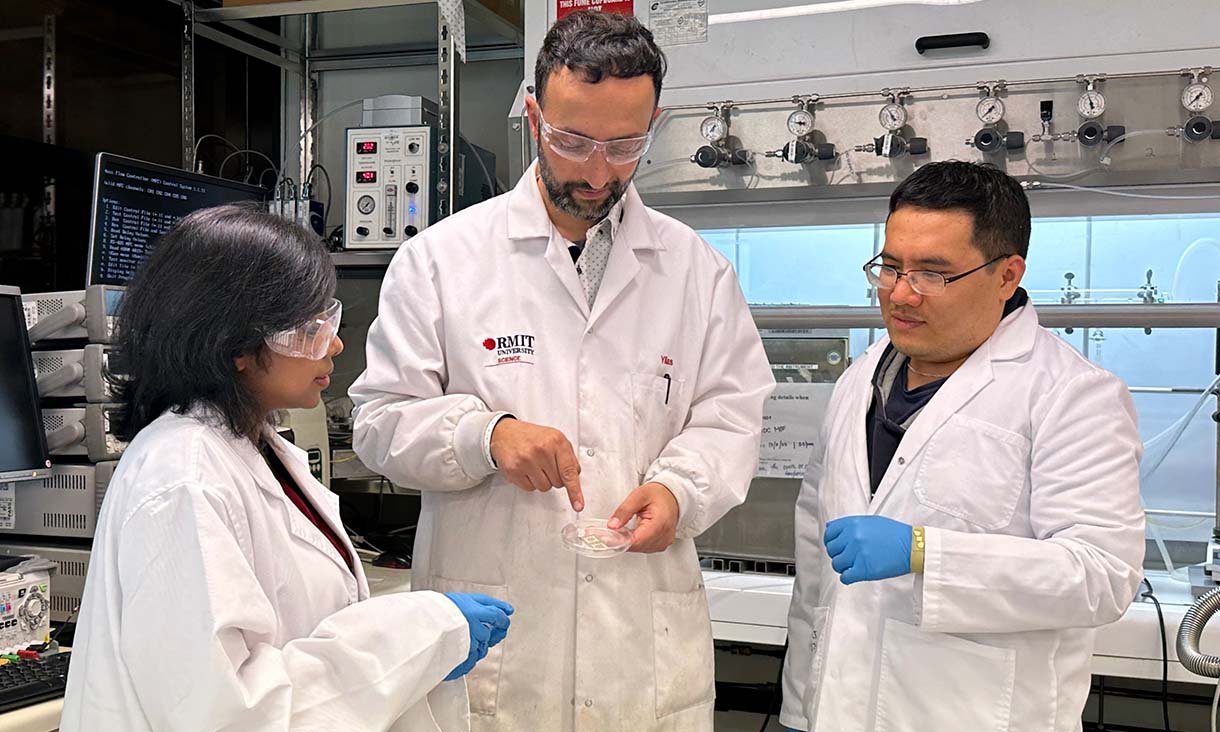
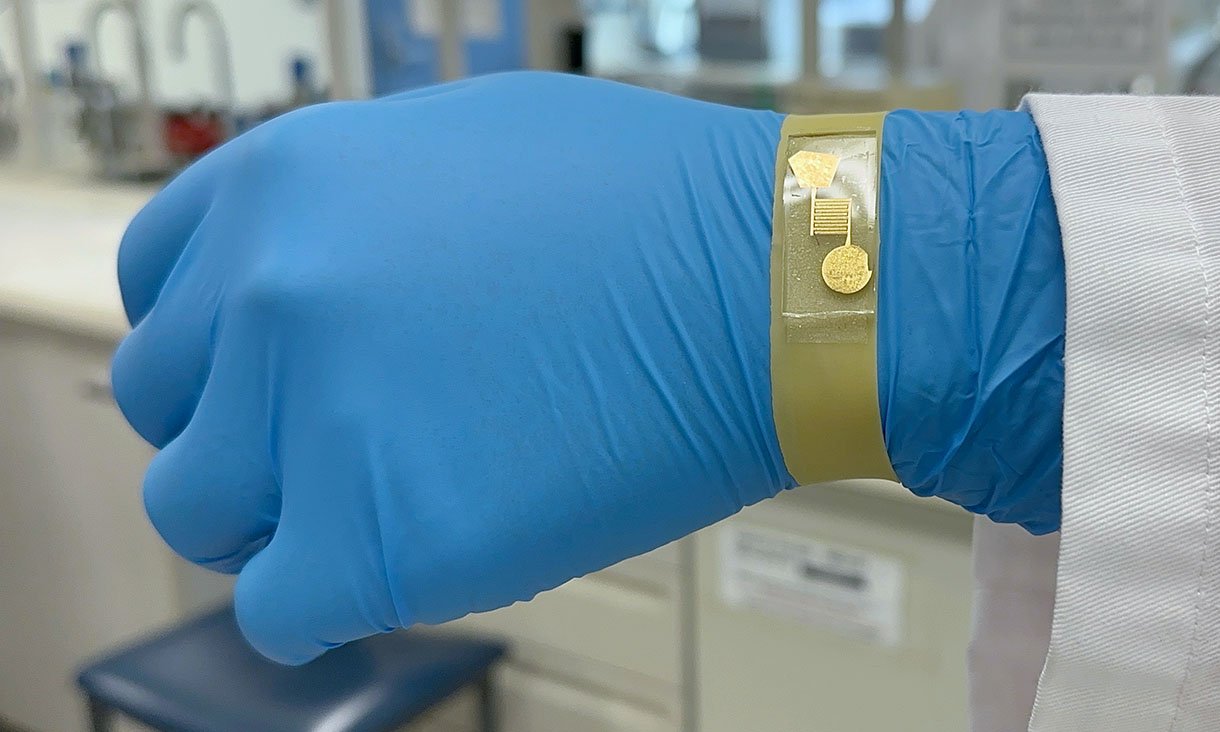
Engineers in Australia have successfully created a compact ammonia gas sensor that has the potential to revolutionize hydrogen storage and medical diagnostics. This groundbreaking sensor, detailed in the esteemed academic journal Advanced Functional Materials, is the outcome of a collaborative effort between researchers at RMIT University, the University of Melbourne, and the ARC Centre of Excellence for Transformative Meta-Optical Systems (TMOS).
Ammonia exposure can result in severe lung conditions and irreversible organ damage, making reliable detection crucial. With an annual production of approximately 235 million metric tonnes worldwide, ammonia is increasingly being considered as a key hydrogen storage solution for clean fuel applications.
The newly developed sensor, which can detect minute levels of ammonia, has the capability to identify dangerous ammonia leaks during hydrogen transportation swiftly and accurately. Moreover, as ammonia is a significant biomarker present in human breath, this sensor could potentially aid in diagnosing various health disorders related to kidney and liver function.
Dr. Nitu Syed, the lead researcher, highlighted the sensor's unique composition of atomically thin transparent tin dioxide, enabling precise tracking of ammonia at levels surpassing current technologies. The sensor operates akin to an electric 'nose,' effectively differentiating ammonia from other gases with increased selectivity.
Dr. Chung K. Nguyen, the first author, emphasized the sensor's portability and efficiency compared to existing methods, which often necessitate costly equipment and extensive preparation. The team's sensor can swiftly distinguish between safe and hazardous ammonia concentrations, offering a cost-effective solution for mass production.
Utilizing a low-cost and scalable technique, Dr. Ylias Sabri explained how the team was able to deposit ultra-thin tin dioxide onto various materials, including flexible substrates. This innovative approach circumvents the need for toxic solvents or complex equipment, streamlining the manufacturing process.
Looking ahead, the researchers are eager to collaborate with industry partners to further refine and prototype the sensor, showcasing its exceptional sensing capabilities. This breakthrough technology has the potential to significantly enhance safety measures in various sectors while opening new avenues for medical diagnostics.
Source