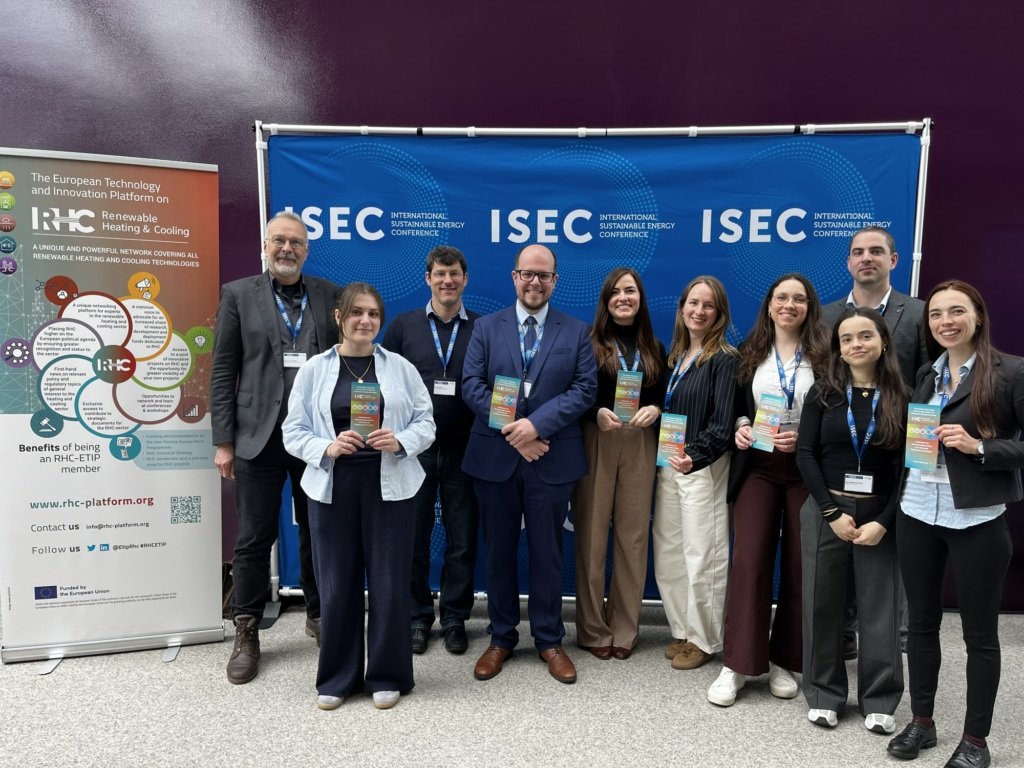
The 100% RHC Event 2026 took place on 16 April in Austria as part of the ISEC 2026 conference, focusing on how digitalisation and artificial intelligence can support climate-neutral heating and cooling systems in Europe. Organised under the European Technology and Innovation Platform on Renewable Heating and Cooling (RHC-ETIP), the event brought together researchers, industry representatives, policymakers and project developers.
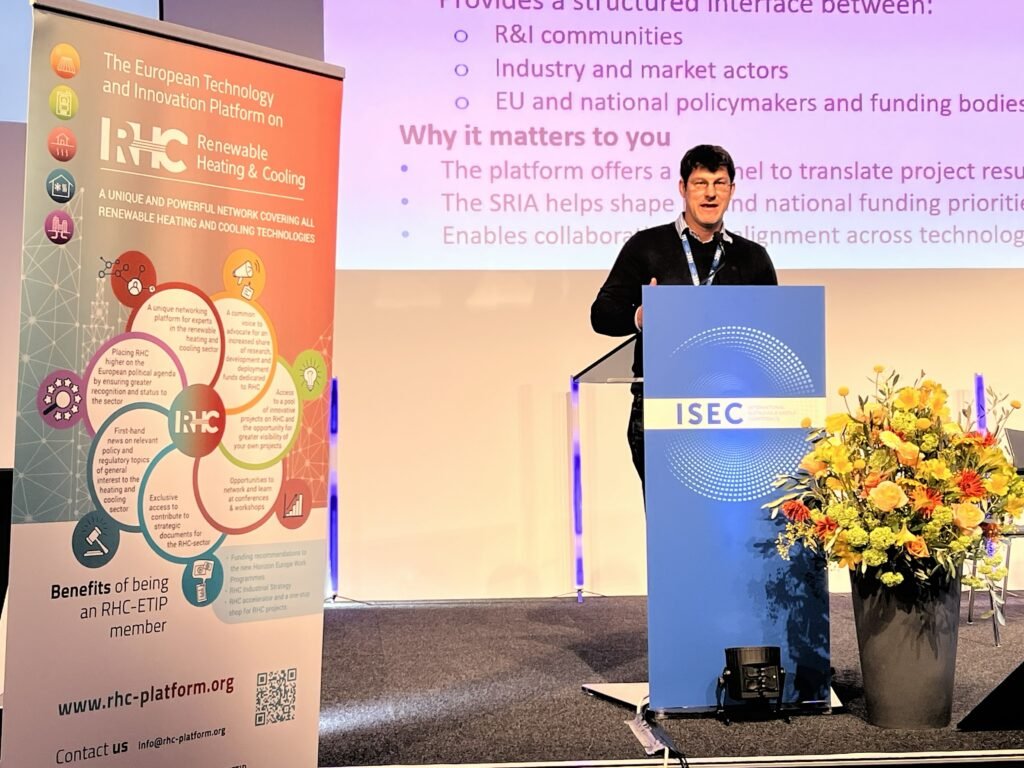
The 90-minute session, “From Insights to Action: Digitalisation and AI for Next-Generation Renewable Heating and Cooling Systems”, was introduced by Dominik Rutz and Andrej Misech of the RHC-ETIP Secretariat. They outlined the role of RHC-ETIP and its Strategic Research and Innovation Agenda (SRIA) as an interface between research, innovation, policy and funding, and said the session was designed to collect expert input for the update of the SRIA, especially its digitalisation chapter.
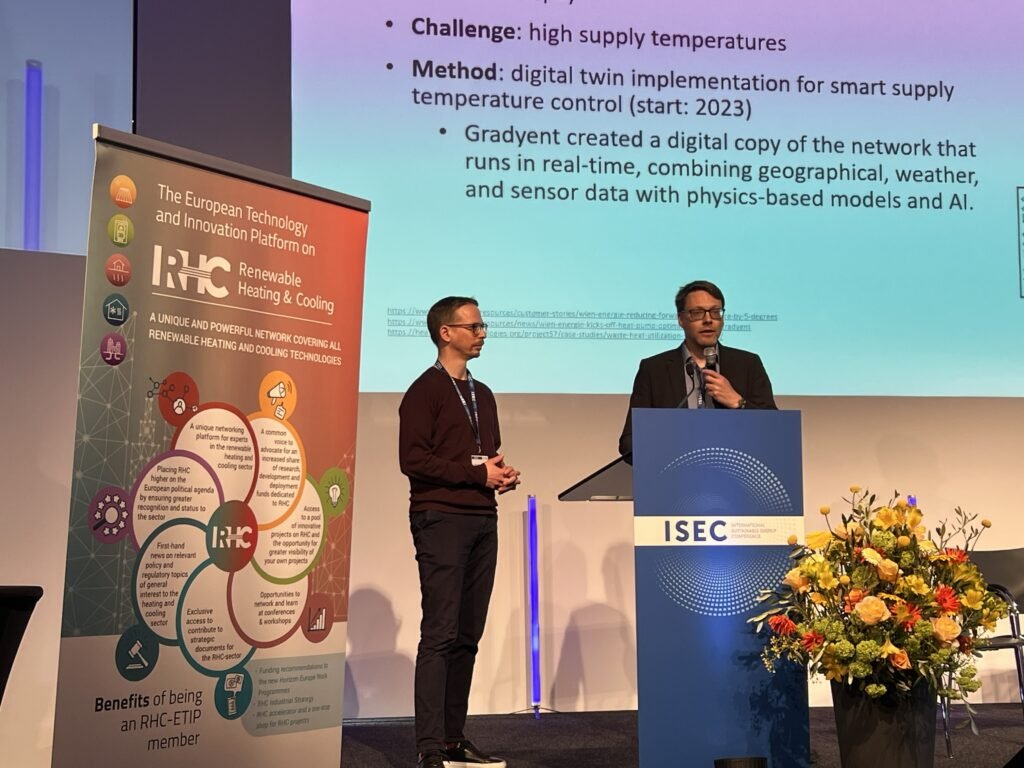
Several speakers presented technical applications. Ralf-Roman Schmidt and Edmund Widl of AIT discussed the use of digitalisation in district heating and cooling networks to support efficiency, flexibility and system integration as networks increasingly rely on renewable and distributed heat sources. Lucas Verleyen and Lieve Helsen of KU Leuven presented physics-based model predictive control for heating and cooling systems operating under variable demand, weather and energy prices.
Valentin Kaisermayer of BEST focused on predictive energy management in office buildings, looking at flexibility to reduce costs and improve efficiency and comfort. Dimitrios Papageorgiou of TVP Solar presented digital tools developed in the DigiSolar project for the design, operation and maintenance of hybrid solar thermal systems across their lifecycle.
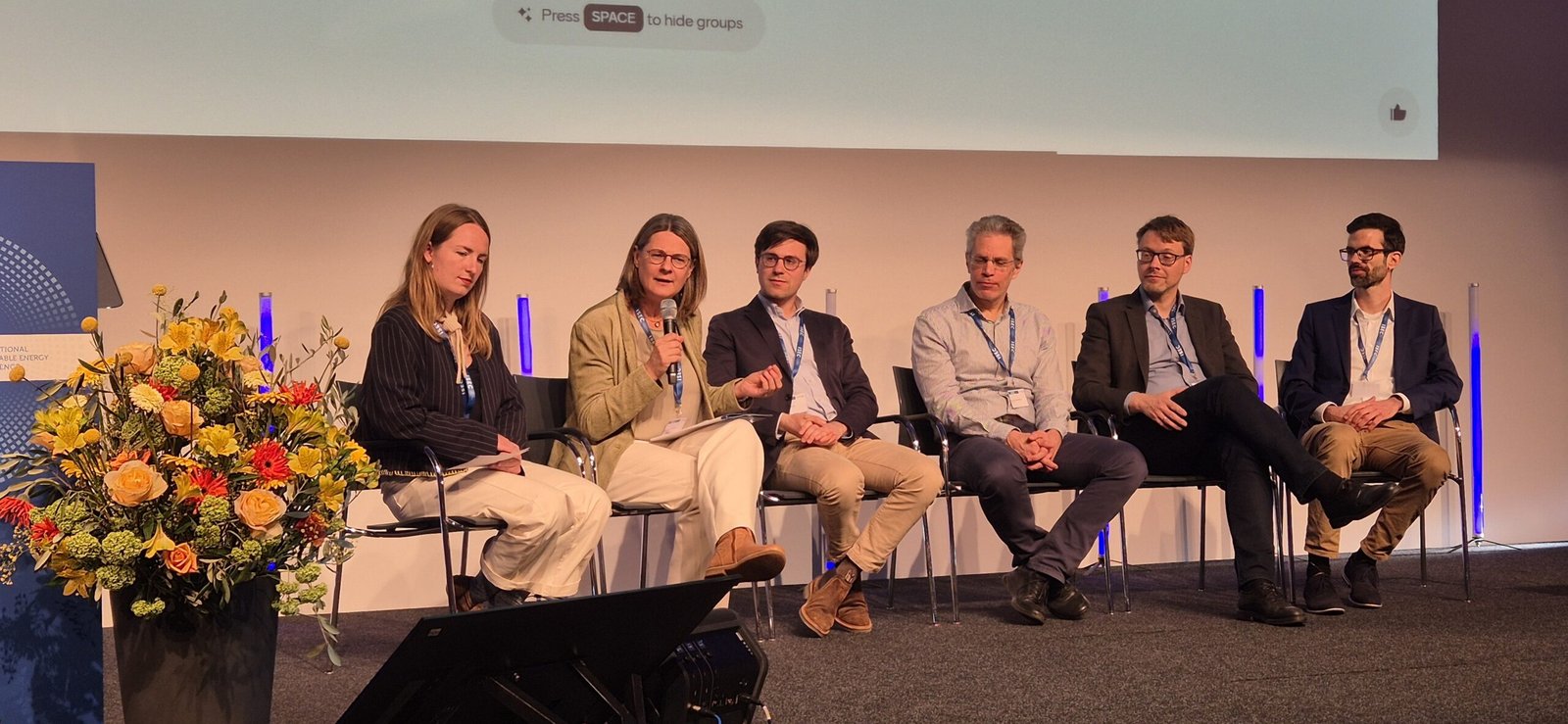
The event also featured a Mentimeter-based panel discussion moderated by Leonie Kuhlmann of EGEC. Participants used live polls and open questions to identify where digitalisation and AI can add value in renewable heating and cooling, which barriers affect wider deployment, and which research and innovation priorities should be addressed in future European funding and policy frameworks.
According to the organisers, the Mentimeter results showed strong interest in digital solutions for system optimisation, operational flexibility and performance monitoring. They also highlighted the importance of skills development, interoperable data frameworks and trust in AI-supported decision-making, with the feedback intended to support the ongoing update of the RHC-ETIP SRIA.
Source