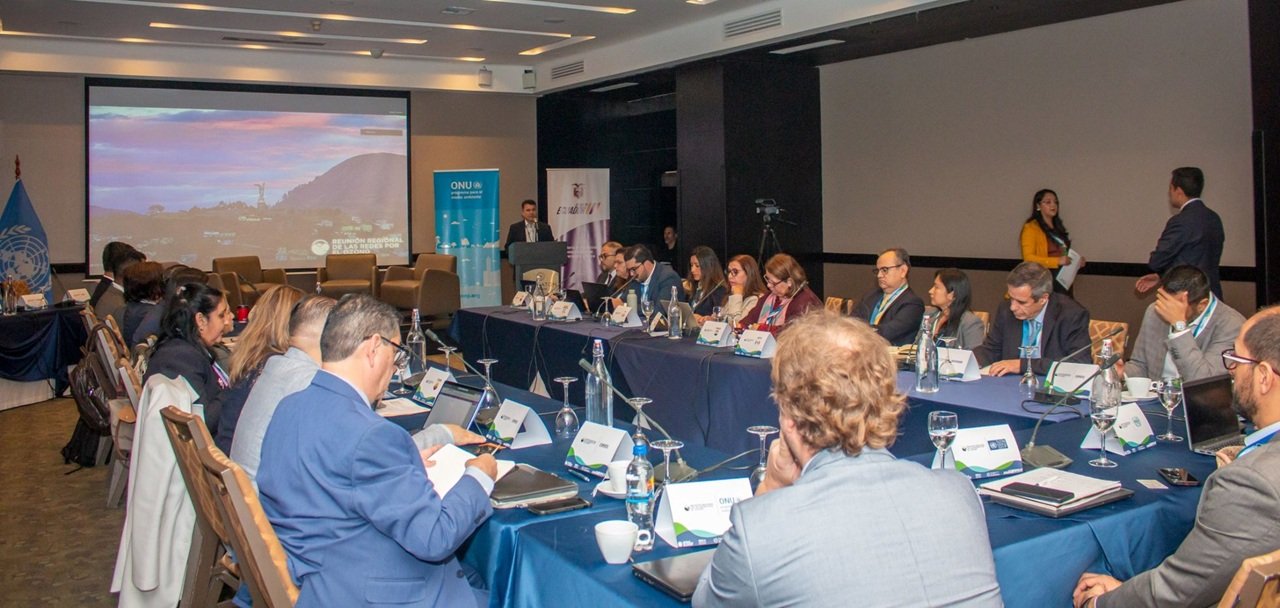
From 18 to 20 November 2025, representatives from over 15 Latin American countries met in Quito, Ecuador, for the Thematic Meeting of Latin America Ozone Networks. Organized by UNEP OzonAction in collaboration with the Government of Ecuador, the event focused on regional cooperation to implement the Montreal Protocol and the Kigali Amendment, with attention to HCFC phase-out and HFC phase-down strategies, energy efficiency, and related issues.
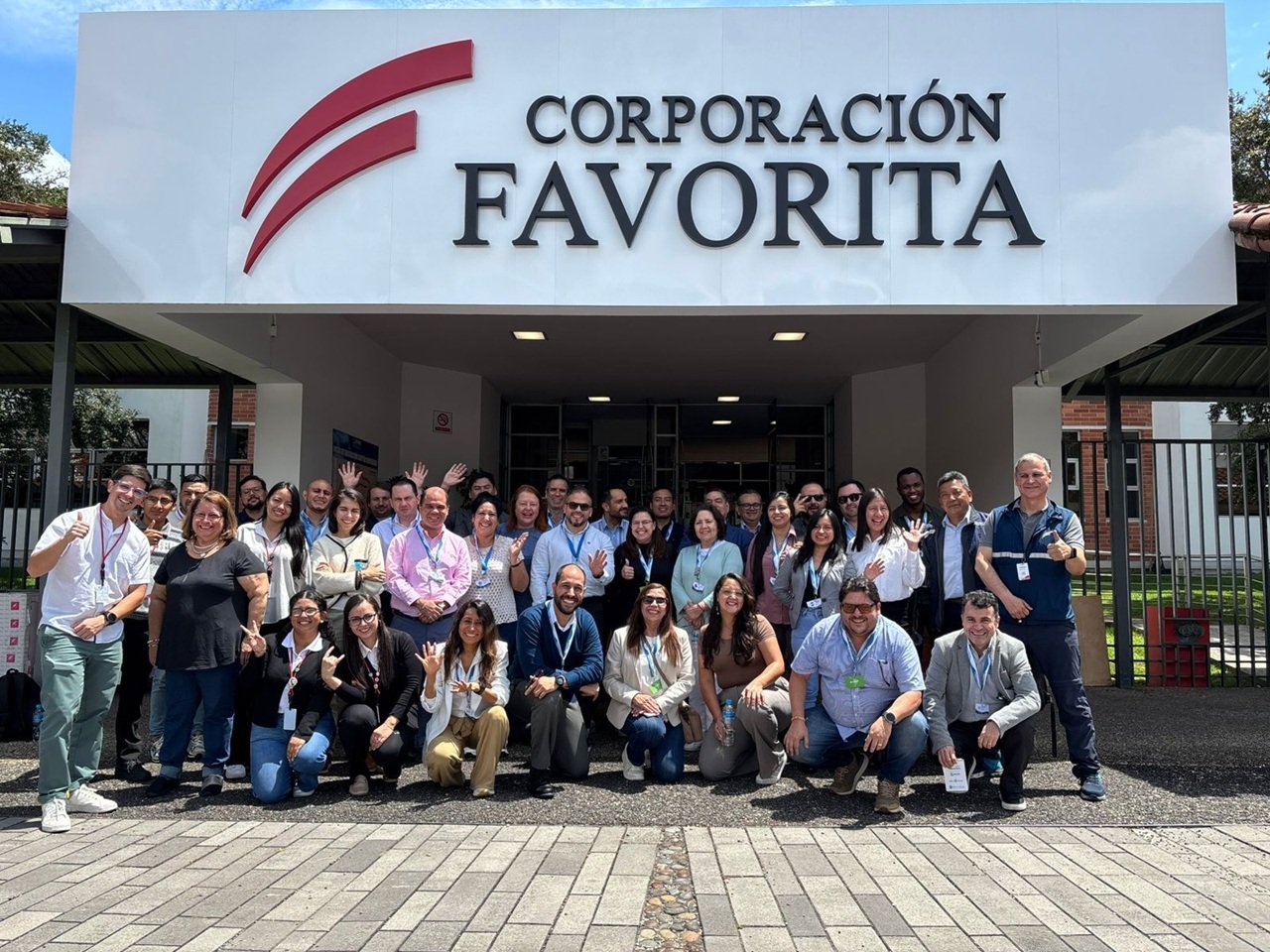
Hosted by Ecuador’s Ministry of Production, Foreign Trade, and Investment, the three-day programme included plenary sessions, expert panels, and field visits to observe technological advances in the refrigeration and air-conditioning (RAC) sector. Participants visited the National Polytechnic School and the CEDI Distribution Center to review emerging technologies and practical training methods for low-GWP refrigerants.
Delegates reviewed recent developments from OEWG47 and MOP37, and shared national experiences with HPMPs and KIPs. Discussions also covered regulatory alignment, circular economy approaches, integration with Nationally Determined Contributions (NDCs), and communication strategies for National Ozone Units (NOUs), with case studies from Panama and Venezuela.
UNEP, UNDP, UNIDO, GIZ, and independent experts presented updates on new foam technologies, digitalisation in refrigeration, and additional projects funded beyond the Multilateral Fund.
Dr. Silvana Peñaherrera, Undersecretary of Competitiveness at Ecuador’s Ministry of Production, Foreign Trade and Investment, stated: “Ecuador is honoured to host this regional dialogue. Enhanced technical cooperation is key for turning environmental commitments into real benefits for industry, users and the climate.”
Marco Pinzon, Regional Network Coordinator for Latin America, added: “This meeting reaffirms the region’s strong commitment to the Montreal Protocol. Through the exchange of knowledge and the development of coordinated approaches, Latin American countries are strengthening their capacity to address emerging challenges.”
Source