The UNEP Cool Coalition, the ASEAN Centre for Energy and SPACECOOL convened a side event at the 48th Meeting of the Open-ended Working Group of the Parties to the Montreal Protocol to examine how passive and next-generation cooling technologies can reduce energy demand and dependence on HFCs. Participants included national ozone authorities, regional policy institutions, technology providers, and gender and equity experts.
UNEP’s Global Cooling Watch 2025 states that passive cooling strategies can reduce indoor temperatures by 0.5 to 8°C (0.9 to 14.4°F), with payback periods of two to eight years. Passive and low-energy cooling account for 65% of the emissions reductions available under the Sustainable Cooling Pathway. However, while 69 countries require improvements to building envelopes, only 19 mandate shading.
The ASEAN Centre for Energy presented the Roadmap for Extreme Heat Protection through Passive Cooling in the ASEAN Region, developed with UNEP and launched in April 2026. The roadmap estimates that envelope optimisation, natural ventilation, cool surfaces and shading could reduce cooling energy demand by close to 42% across ASEAN climate zones, including hot and humid conditions. It is linked to the ASEAN Plan of Action for Energy Cooperation 2026–2030, combining harmonised efficiency standards with passive-cooling requirements in building codes.
Country representatives highlighted the role of coordinated policies and evidence from demonstration projects. Jordan developed its National Cooling Action Plan in 2025, covering building codes, Minimum Energy Performance Standards and climate-friendly refrigerants. Viet Nam reported cooling-energy savings of up to 25% in code-compliant commercial buildings through improved envelopes, shading and ventilation. Panellists said pilots should generate locally relevant data on performance, energy savings, operating costs, payback periods, safety and user acceptance.
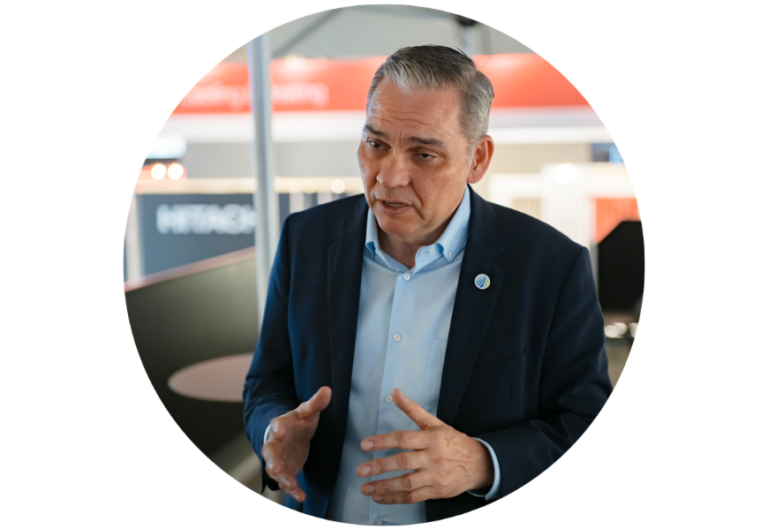
SPACECOOL presented radiative-cooling surfaces that reduce temperatures under direct sunlight without consuming energy. The technology has been deployed internationally since 2021, including across approximately 10,000 square metres (107,639 square feet) in Thailand. “The barrier is no longer technology performance, but creating a market where passive cooling can compete with conventional technologies,” said Masahiro Suemitsu, Chief Executive Officer of SPACECOOL.
“Passive cooling is not a substitute for active cooling,” said Niroopa Kowlesser, Cooling Policy Specialist at the UNEP Cool Coalition. “Most countries will need both, and their impact will be greatest when planned as a consolidated demand-side and supply-side strategy.”