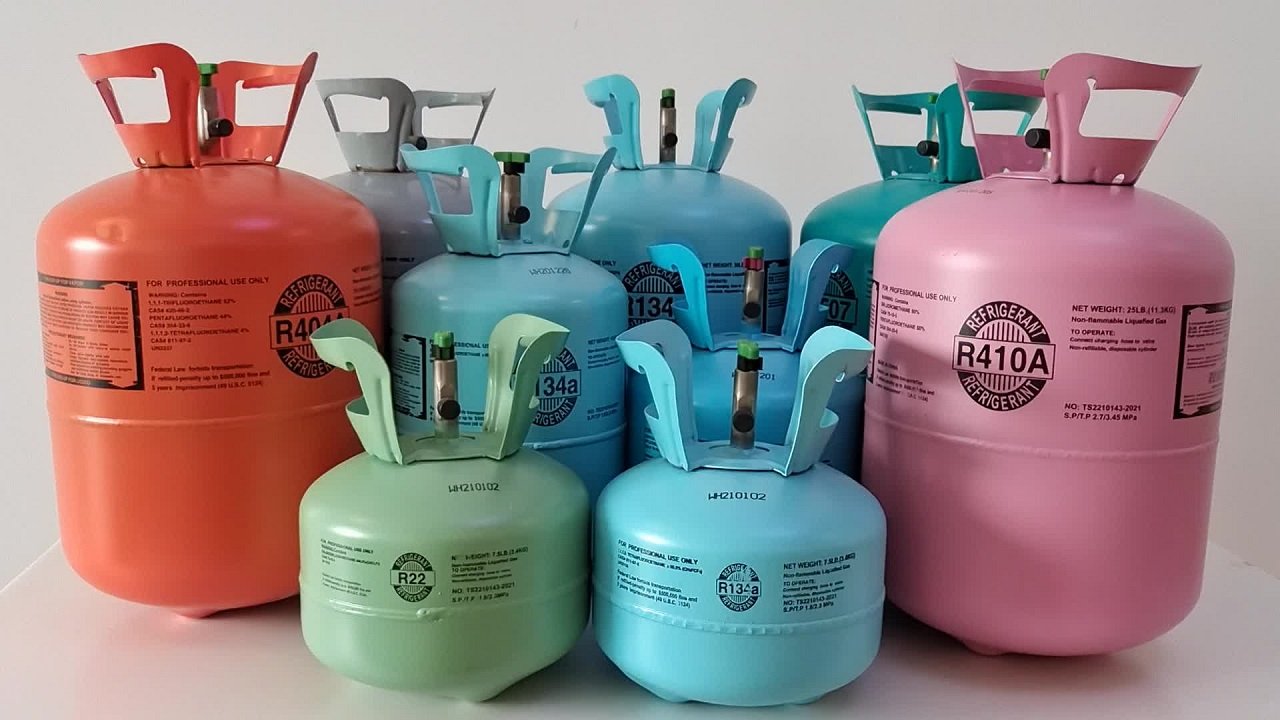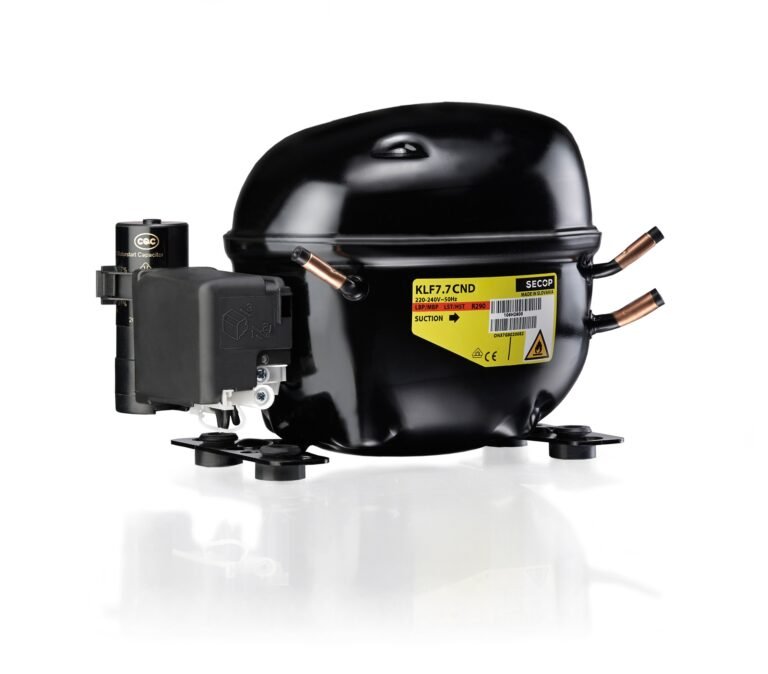
The Building Engineering Services Association (BESA) has alerted the industry to the growing safety risks posed by increased use of flammable refrigerant gases in air conditioning and heat pump systems.
The Association’s latest technical bulletin (TB57) points out that there are currently no UK regulations governing the purchase and installation of systems using R290 (propane) because, as a hydrocarbon, it falls outside the scope of the F-Gas Regulations.
However, propane use is already growing fast and will continue to accelerate in step with the phase down of refrigerant gases with higher global warming potential (GWP).
Under new European Union rules, stationary split air conditioning and heat pump equipment with capacities below 12kW will be required to use F-gases with a GWP below 150 from the start of 2027. For larger systems, the GWP will have to be below 750.
This means the most commonly used refrigerants in these systems will be phased out to be replaced by R290 in many smaller systems. While the UK is not bound to EU legislation, it is expected to adopt the same rules because of its commitments, under the Montreal Protocol and Kigali Amendment, to minimise the global warming impact of refrigerant gases.
BESA acknowledges that R290 is a highly effective refrigerant that provides low GWP, high heat transfer performance, and low-pressure ratios which in turn cause fewer leaks. However, its high flammability poses a significant safety risk during installation, maintenance, and retrofitting.
It is, therefore, calling for all technicians and engineers working on R290 systems to receive appropriate specialised training for handling flammable refrigerants.
“Working with R290 raises major concerns due to its highly flammable nature,” said BESA technical engineer Keegan Farrelly. “It is classed as an A3 gas, which is the highest level of flammability and means it could even be ignited by static electricity.
“With a flammability limit of just 1.7%, even a very small amount of R290 in a room is enough to pose an ignition risk. Most properly qualified engineers could work perfectly safely with this gas, if they have undergone training that covers the specific technical challenges and risks of working with flammable gases.”
BESA’s technical bulletin highlights the specific risks from the growing number of heat pump installations that now use R290 and the need to carry out extensive risk assessments – both for new and retrofit applications. It also stresses the importance of making sure the area around the unit is well ventilated.
It highlights the particular risks associated with brazing and advises engineers to fully purge the system first. BESA also outlines the importance of installing some form of leak detection to minimise the risk of accidental leakage and ignition if the system is installed in an enclosed area.
Retrofitting R290 systems into pre-existing installations is a particular area of concern for BESA. The bulletin advises that any R290 unit should be positioned at least 1.5 meters from other electrical equipment to reduce the risk of ignition in the event of a leak.
“This hasn’t been a consideration so far for existing systems that use A1 or A2L class refrigerants, but the ongoing phase-down of higher GWP refrigerants and the potential for more stringent future regulations, means that more system replacements may have to employ hydrocarbons like R290,” said Farrelly.
“This poses a real challenge when replacing systems where multiple outdoor units are closely mounted together.”
You can find more information and access the technical bulletin here.
More details about training courses to help with the safe handling of flammable refrigerants can also be found here.