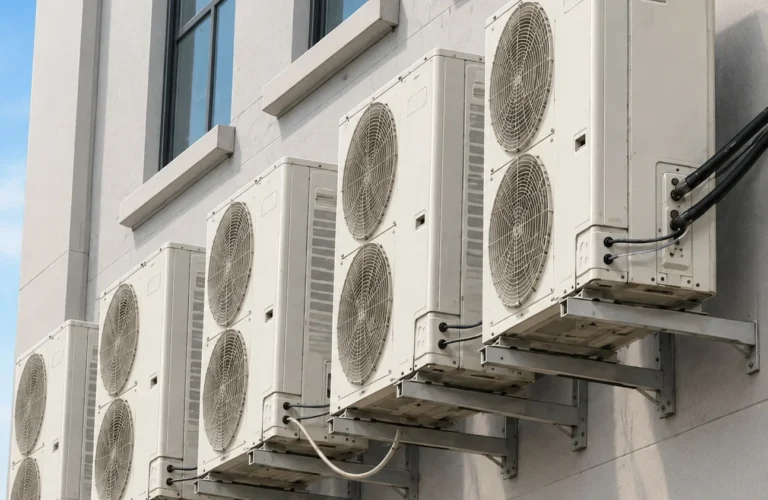
At Abu Dhabi Sustainability Week 2026, the UNEP Cool Coalition used meetings with energy leaders to argue that cooling is becoming a major driver of electricity demand as grids absorb variable renewables, electrified transport and high-intensity loads such as data centres. The Coalition said the challenge is increasingly about integrating rising demand at the local and distribution level, alongside clean generation growth.
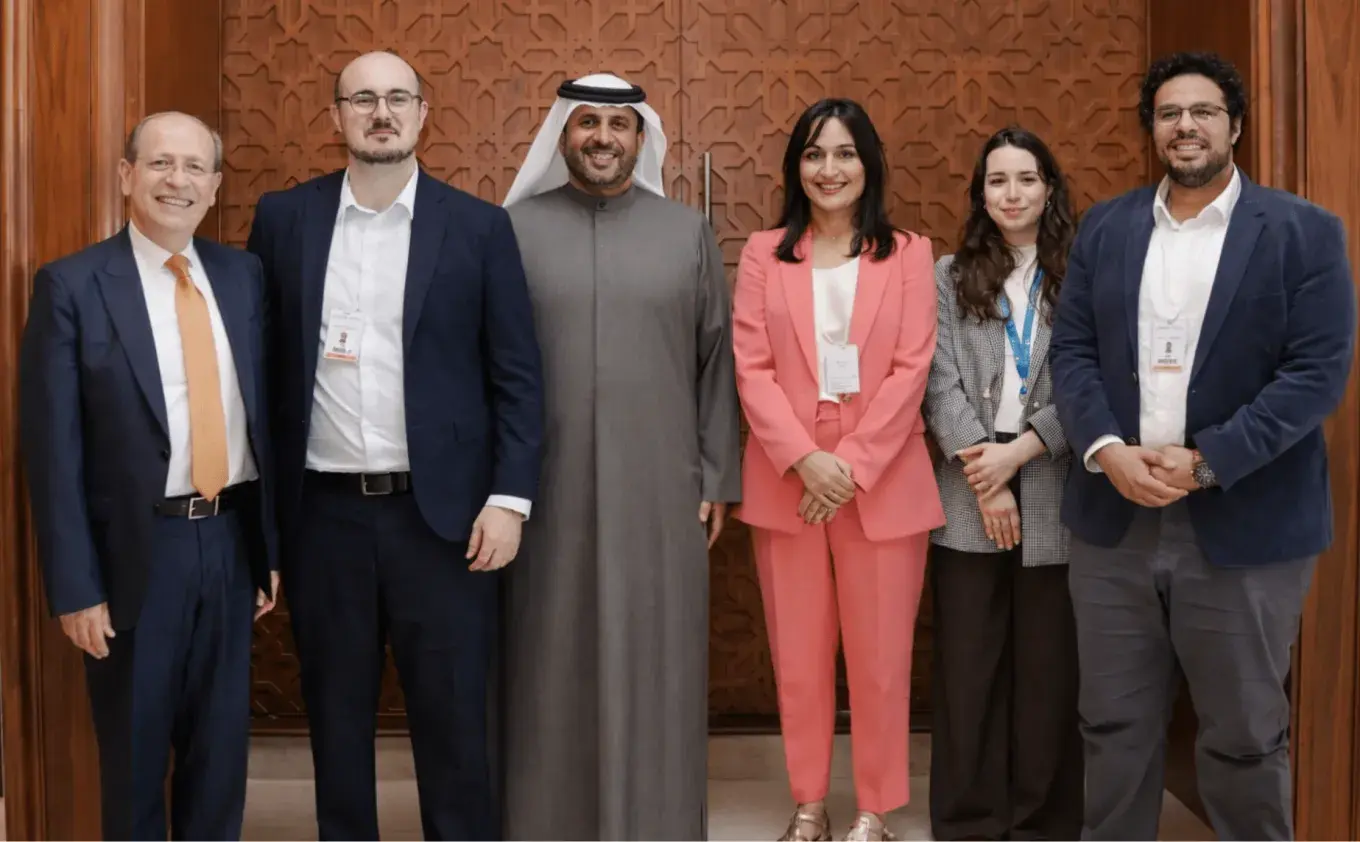
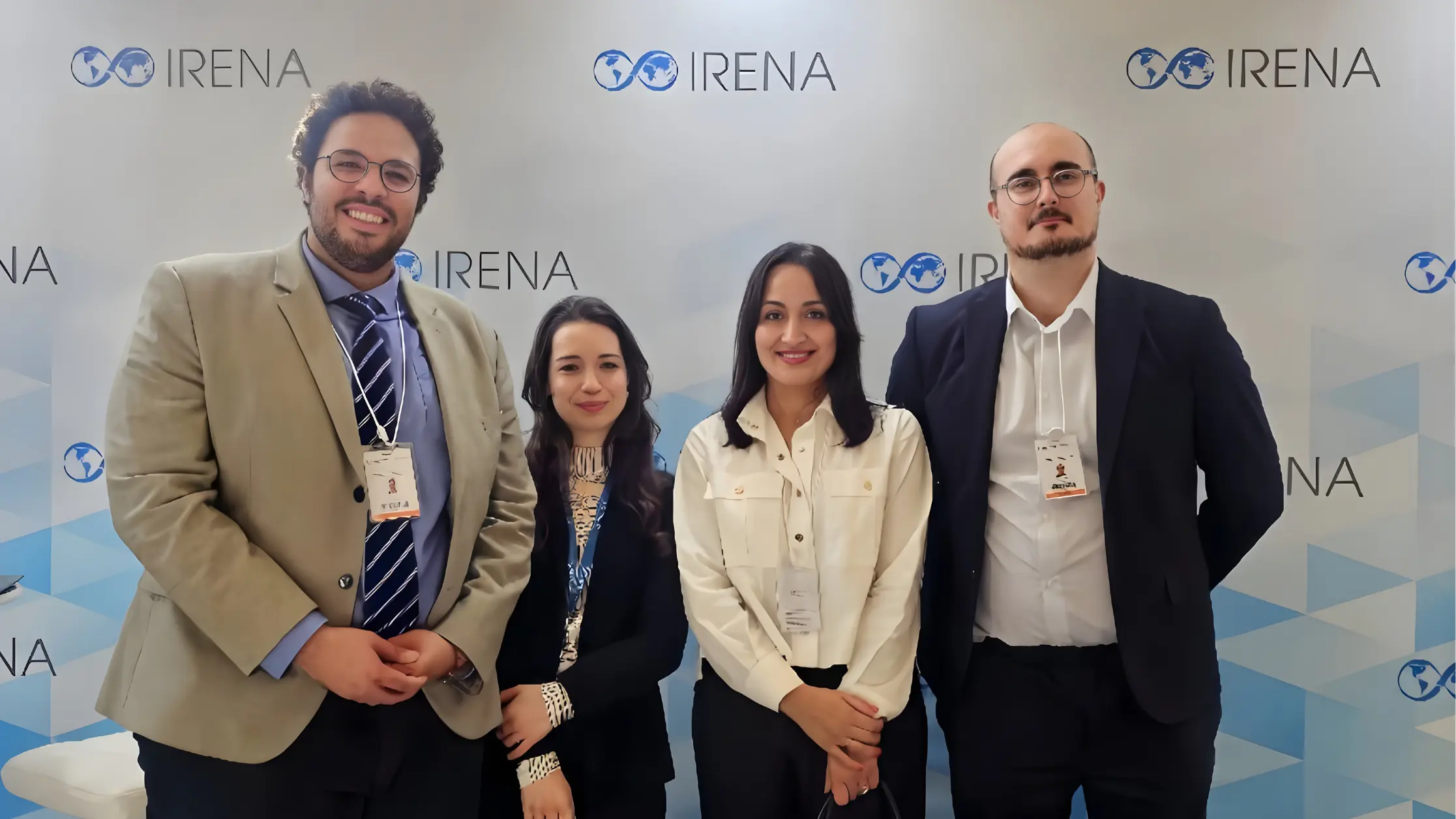
The Coalition met with the United Arab Emirates Ministry of Energy to discuss cooling and clean energy integration within national energy priorities, linking efficiency, demand growth and infrastructure readiness to long-term delivery strategies. The Head of the Cool Coalition, Lily Riahi, also met with IRENA Director-General Francesco La Camera during the week, which included IRENA’s 16th General Assembly, and the delegation engaged with Norway’s Envoy on Energy, Climate and Food Security, Hans Olav Ibrekk.
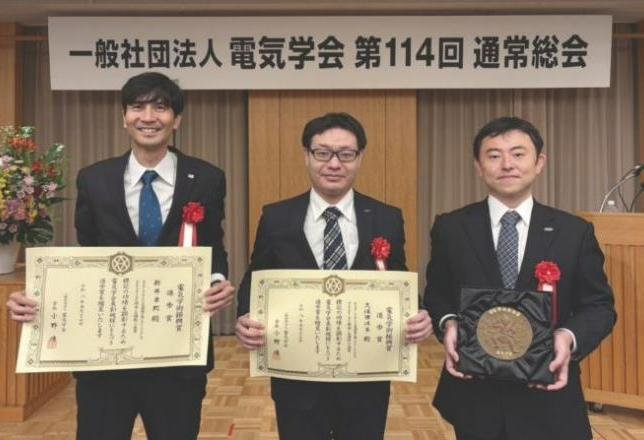
On delivery and partnerships, the Coalition held discussions with H.E. Ahmad Bin Shafar, CEO of Empower and Chair of the District Cooling Operators Association, focusing on accelerating energy-efficient district cooling systems to reduce emissions while meeting rising urban demand. UNEP partner BASE Foundation received the 2026 Zayed Sustainability Prize in the Energy category for its Cooling-as-a-Service model, which the source says targets upfront cost barriers and expands access to sustainable cooling.
The Coalition said the energy transition is being shaped as much by demand as supply, with more renewable energy connecting at the distribution level and new loads meeting the system through local networks. It described a “missing middle” between national targets and executable projects, pointing to integrated planning, local diagnostics and investment packaging—areas where cities and subnational authorities play a central role.
As examples, UNEP and partners carried out rapid energy system assessments in multiple locations in China, identifying Xi’an’s Chanba Ecological District for deeper engagement using GIS-based energy mapping and pre-feasibility studies for clean local solutions, including low-carbon heating and cooling. UNEP and IRENA also launched a multi-year, multi-city technical assistance programme supported by the Government of Italy to help Ukrainian municipalities plan and attract investment in decentralised, sustainable energy systems.