ASHRAE has released a University of New Hampshire study that quantifies the global climate impact of BACnet for the first time. According to the study, BACnet-enabled building automation systems have mitigated 1.4 billion tons of CO2 since 1995.
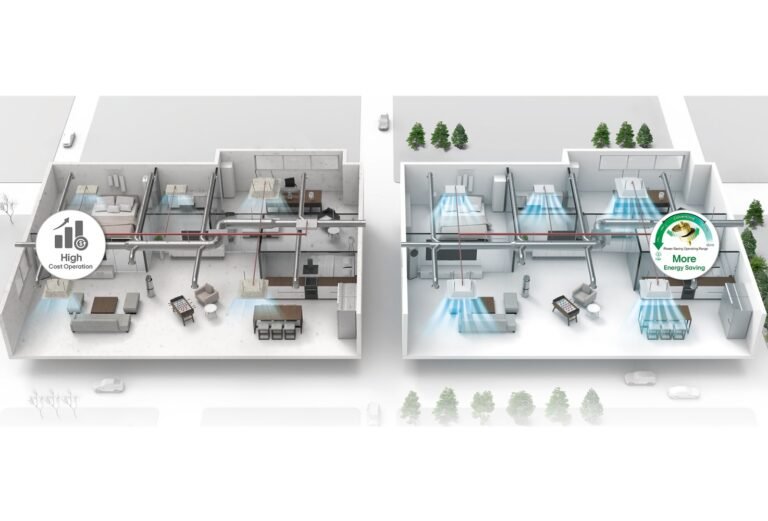
BACnet is a data communication protocol for building automation and control networks developed under the auspices of ASHRAE. ASHRAE said it enables systems including heating, ventilation, air-conditioning, lighting and life-safety to communicate and cooperate to improve building efficiency.
The study states that the 1.4 billion tons of CO2 avoided is equivalent to removing 300 million cars from the road for one year or offsetting Japan’s annual emissions. It also projects that BACnet systems could help avoid 2.06 billion tons of CO2 by 2030.
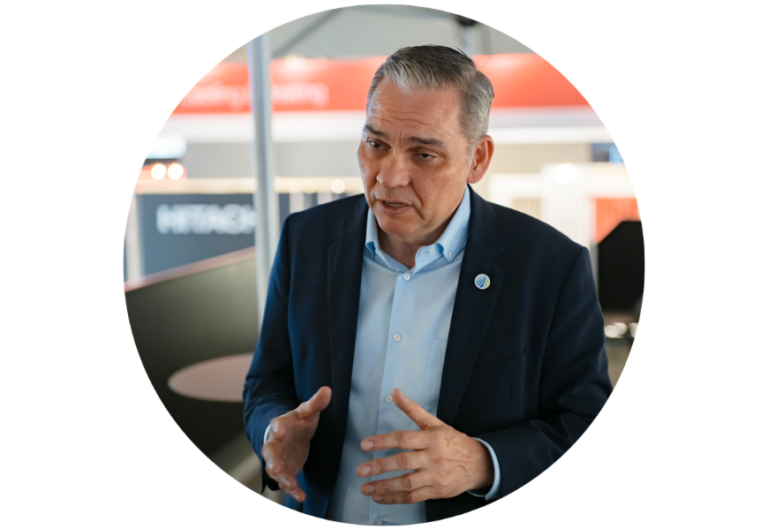
“This study clearly shows the power of smart buildings and the critical role BACnet plays in reducing global carbon emissions,” said Bill McQuade, 2025-26 ASHRAE President, P.E., CDP, Fellow ASHRAE, LEED AP. “For nearly three decades, BACnet’s open, interoperable framework has enabled building owners and operators to optimize energy use, improve efficiency and deliver measurable climate impact.”
ASHRAE said the full study is available on its Free Resources page, and BACnet technical resources are available at ashrae.org/bacnet.