Key Market Drivers and Trends
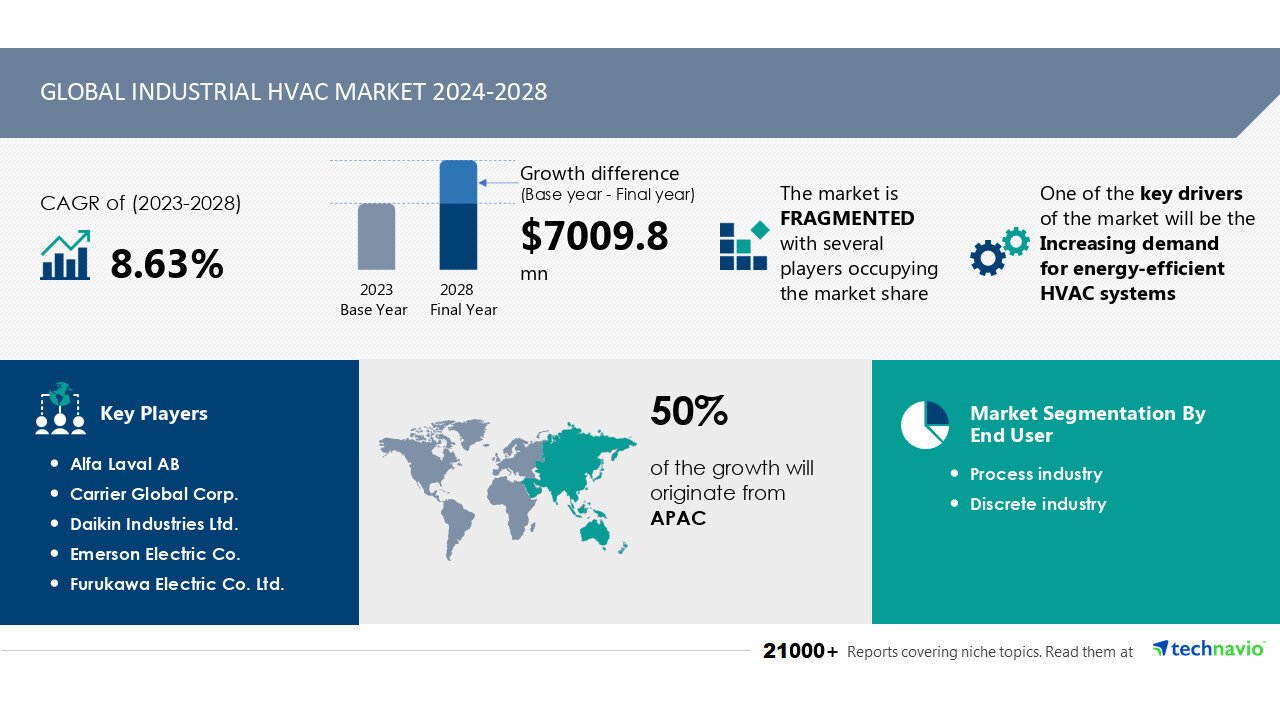
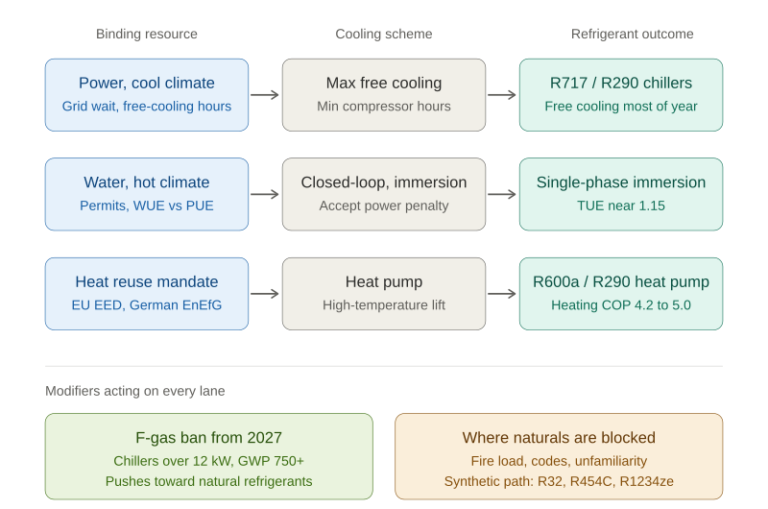
Industries are prioritizing energy-efficient HVAC solutions to reduce carbon footprints and operating expenses. Regulatory changes concerning energy efficiency and emissions have also led to greater adoption of upgraded systems. Additionally, advanced refrigerants offering better cooling efficiency and reduced environmental impact are shaping the market.
Leading Segment: Process Industry
The process industry dominates the industrial HVAC market, encompassing sectors such as oil and gas, pharmaceuticals, food and beverages, mining, and petrochemicals. Regulatory pressures and high energy costs are driving demand for energy-efficient HVAC systems in these industries.
Safety concerns in hazardous environments, like oil and gas facilities, and the pharmaceutical industry’s need for cleanroom solutions are further fueling demand. Explosion-proof HVAC systems are gaining traction in industries prone to dust, chemical, or vapor explosions, including food and beverages, and chemicals.
Analyst Insights
The construction of sustainable industrial buildings and the demand for climate control technologies to ensure thermal comfort and air quality are significant growth drivers. Features such as smart controls, IoT integration, and energy-efficient components like heat pumps and programmable thermostats are increasingly popular due to their cost-saving and environmental benefits.
Market Challenges
Despite growth prospects, challenges such as a lack of awareness and affordability, especially in emerging markets, hinder adoption. Training programs, financing options, and incentives are critical to overcoming these barriers.
Key Vendors
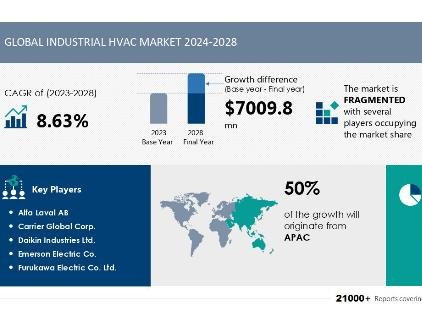
Major players in the industrial HVAC market include:
- Daikin Industries
- Johnson Controls
- LG Electronics
- Carrier
- Mitsubishi Electric Corporation
- Trane Technologies plc
- Honeywell International Inc.
- Fujitsu General Group
These companies are driving innovation in energy-efficient and environmentally compliant HVAC solutions, ensuring the sector’s continued evolution.
This growth highlights the critical role of industrial HVAC systems in addressing energy efficiency and regulatory compliance challenges while supporting the infrastructure needs of various industries.