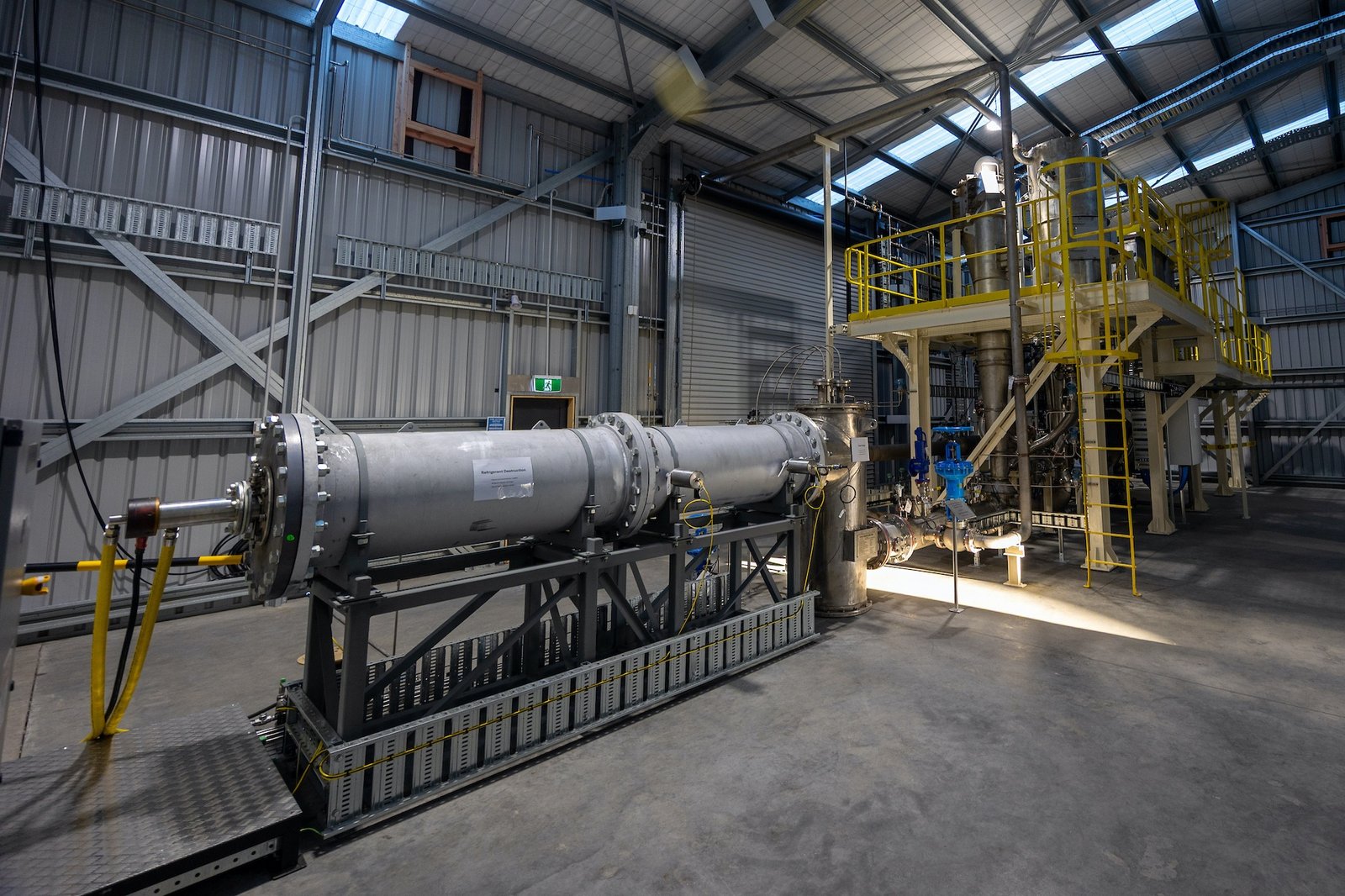
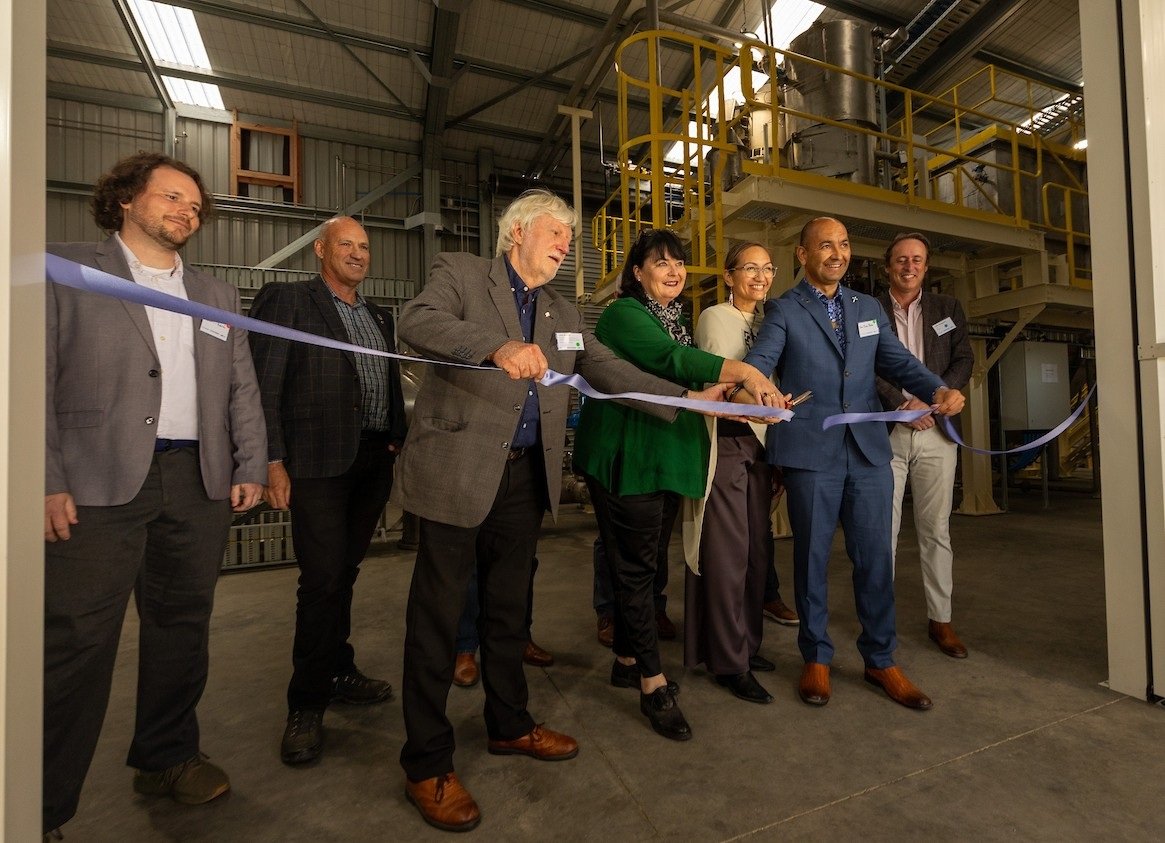
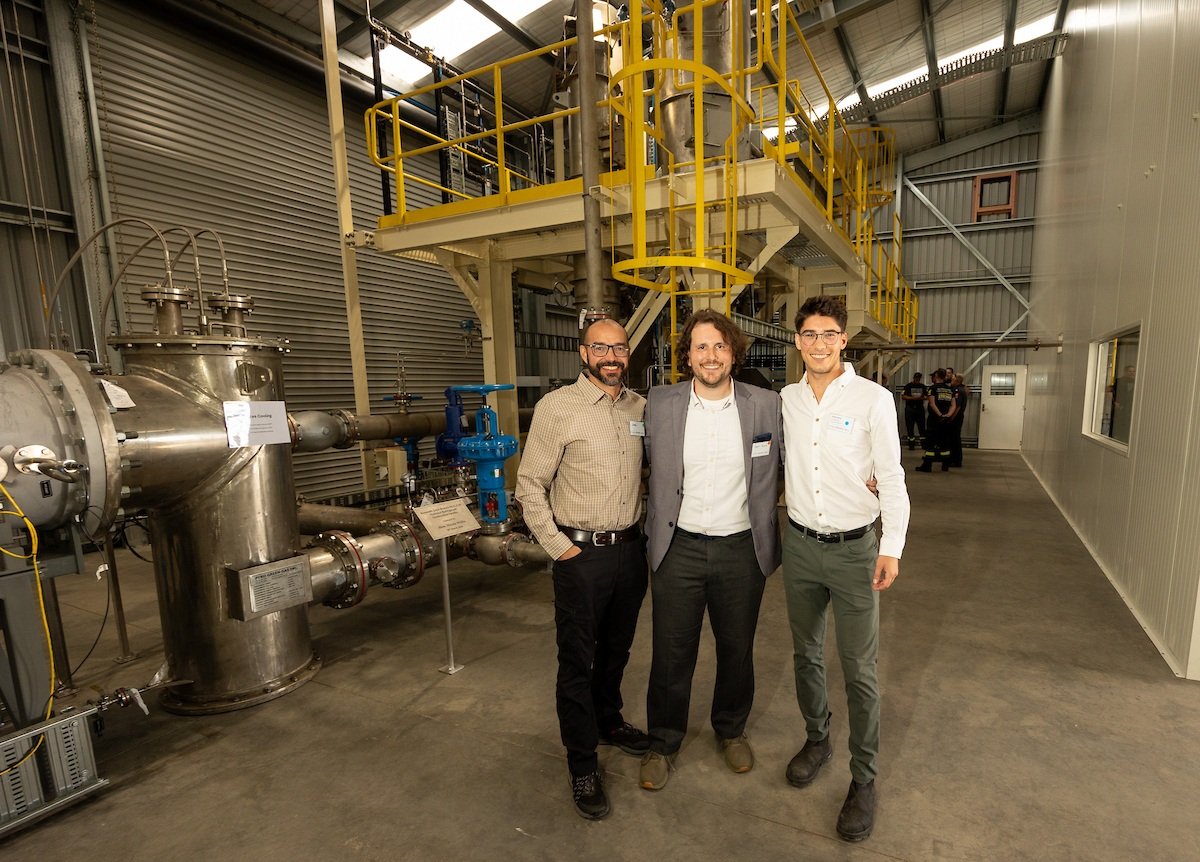
PyroGenesis said its plasma-based SPARC system was unveiled at the launch of New Zealand’s National Refrigerant Destruction Facility on March 20, 2026. The company said the site is the first of its type in the Southern Hemisphere and will use the all-electric steam plasma arc system to destroy up to 100,000 kg per year (about 220,000 lb/yr) of end-of-life synthetic refrigerants, including CFCs, HFCs and HCFCs.
According to PyroGenesis, the gases targeted by the facility have a combined global warming potential of 220 million kg of CO2e (about 485 million lb of CO2e). The company said it was awarded a contract valued at about $6 million to design and build the system as part of a New Zealand initiative to process the gases domestically instead of collecting, storing and shipping them to Australia for incineration.
The company said synthetic refrigerants are found in heat pumps, commercial refrigeration, and residential and commercial air conditioning systems, and must be captured for treatment when equipment reaches end of life. PyroGenesis added that the new facility will allow refrigerants to be destroyed within New Zealand and that the site is adjacent to geothermal plants that can help power operations with renewable energy.
PyroGenesis said its SPARC system uses steam as the plasma-forming gas to generate a hydrolysis reaction for the destruction of refrigerants including CFCs, HCFCs, HFCs, Halons and PFCs. The company said the system is based on a technology platform originally developed for the U.S. Navy and Air Force.
“This plant represents the beginning of a new chapter in advanced environmental stewardship and action on dealing with end-of-life refrigerants in Aotearoa New Zealand,” said Richard Lauder, chair of the Trust for the Destruction of Synthetic Refrigerants. “Ultimately, to fully address the climate impact, these gases must be safely and permanently destroyed when they reach end-of-life. And now, that solution exists here in New Zealand.”