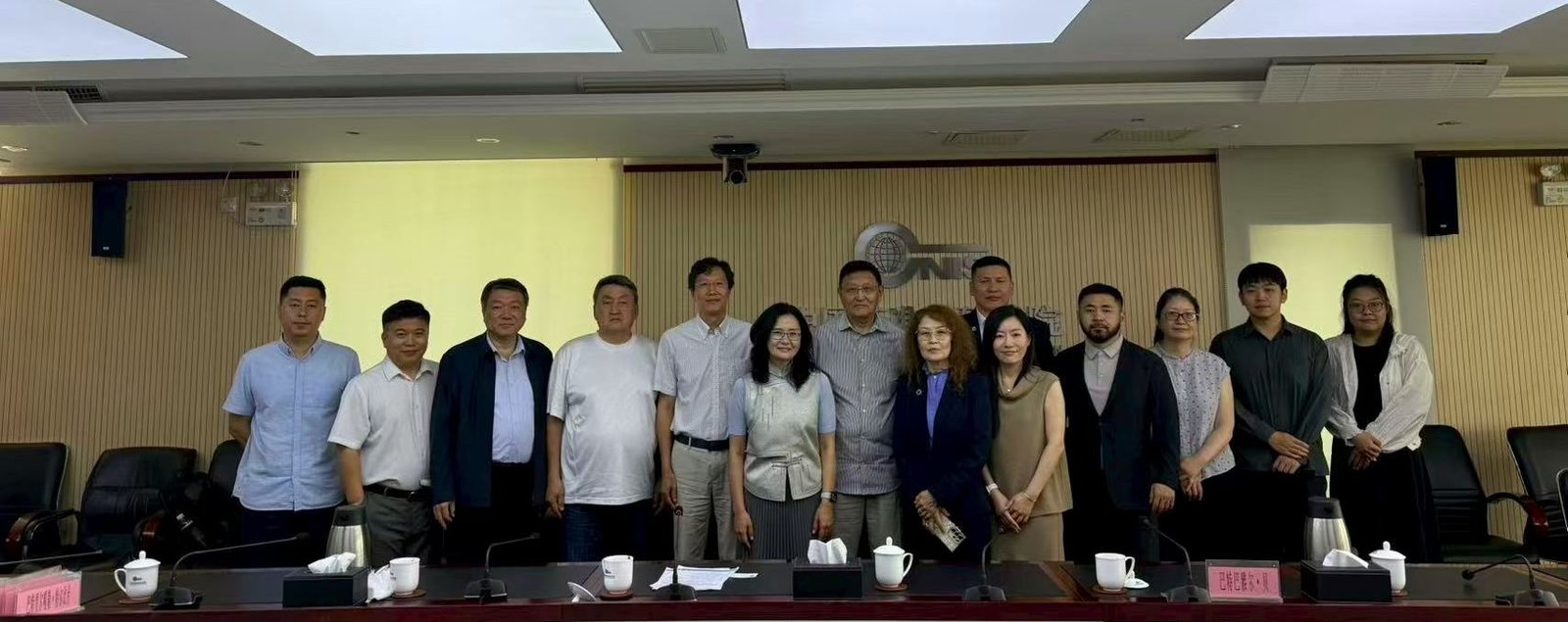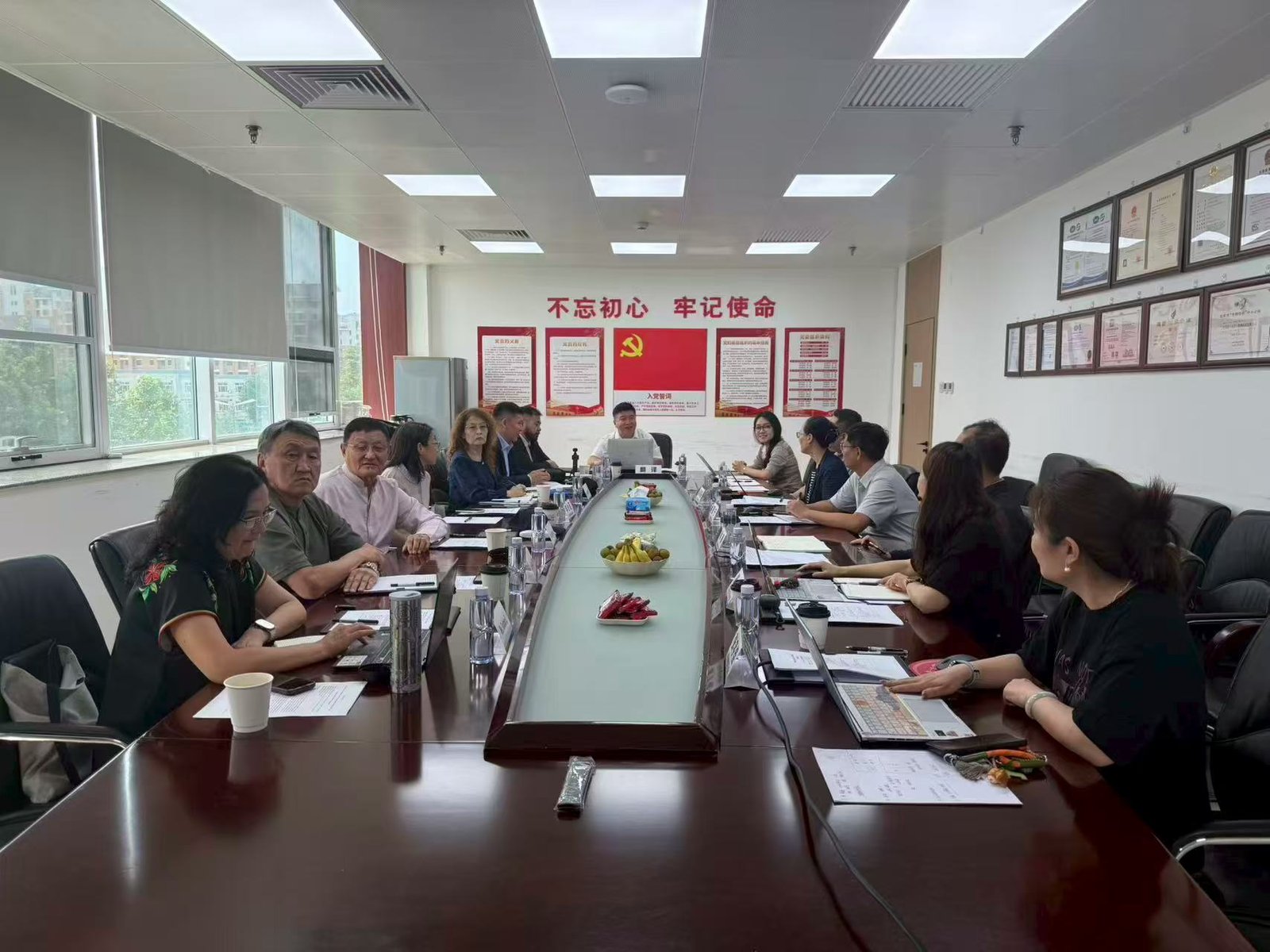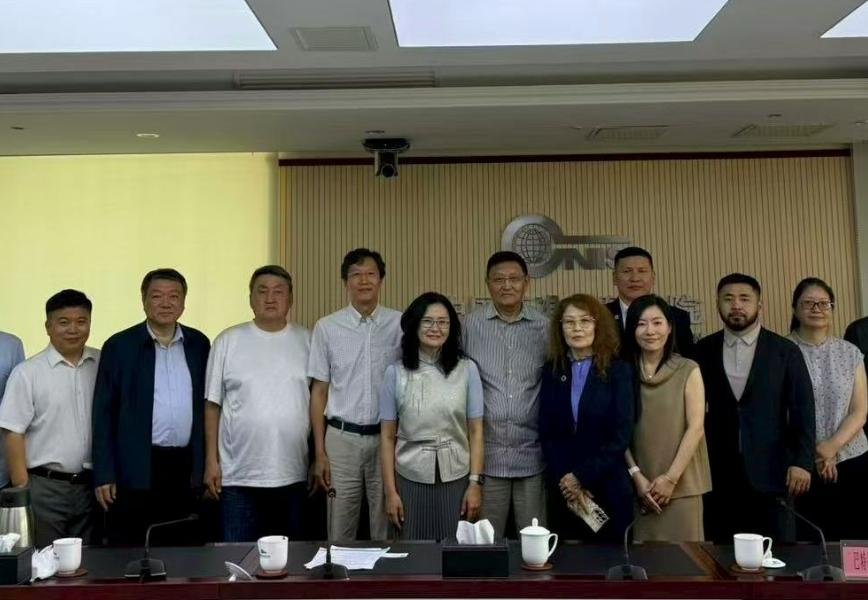
A Mongolian delegation completed a four-day study tour in China from 2–5 June 2026 to strengthen national capacity for Minimum Energy Performance Standards (MEPS) and energy efficiency labelling for refrigeration and air-conditioning (RAC) equipment. China’s National Ozone Unit organized the visit with UNEP OzonAction’s Compliance Assistance Programme South Asia team at the request of Mongolia’s National Ozone Authority.
Supported by the Multilateral Fund for the Implementation of the Montreal Protocol, Mongolia is reviewing gaps in its MEPS and energy labelling frameworks for RAC and heat pump equipment. The tour examined China’s implementation of standards, testing, certification and market surveillance to inform Mongolia’s regulatory and institutional review.
At the China National Institute of Standardization, delegates reviewed standards-development methods and current MEPS requirements. Visits to the China Household Electrical Appliances Association and the China Household Electrical Appliance Research Institute covered industry participation, energy-consumption testing, compressor performance and energy efficiency classification.
Testing discussions included coefficient of performance assessments under temperatures ranging from -20°C (-4°F) to +40°C (104°F). Testing at -40°C (-40°F), which is relevant to Mongolia’s climate, is not currently available.
The China Quality Certification Center outlined product certification and the role of accredited laboratories, while the Hefei General Machinery & Electrical Products Inspection Institute presented national supervision inspections and product spot checks for air conditioners and refrigerators. The delegation also visited the China Refrigeration and Air-Conditioning Industry Association and a manufacturing facility in Zhuhai, where it observed air-to-air heat pump systems engineered for operation at -40°C (-40°F).
The findings will inform Mongolia’s work to strengthen MEPS, energy efficiency labelling, testing and enforcement for RAC equipment. The programme also supports the country’s transition toward a more sustainable, low-Global Warming Potential refrigeration, air-conditioning and heat pump market.