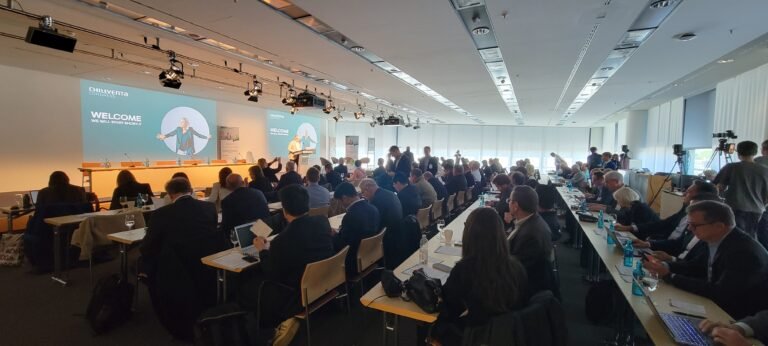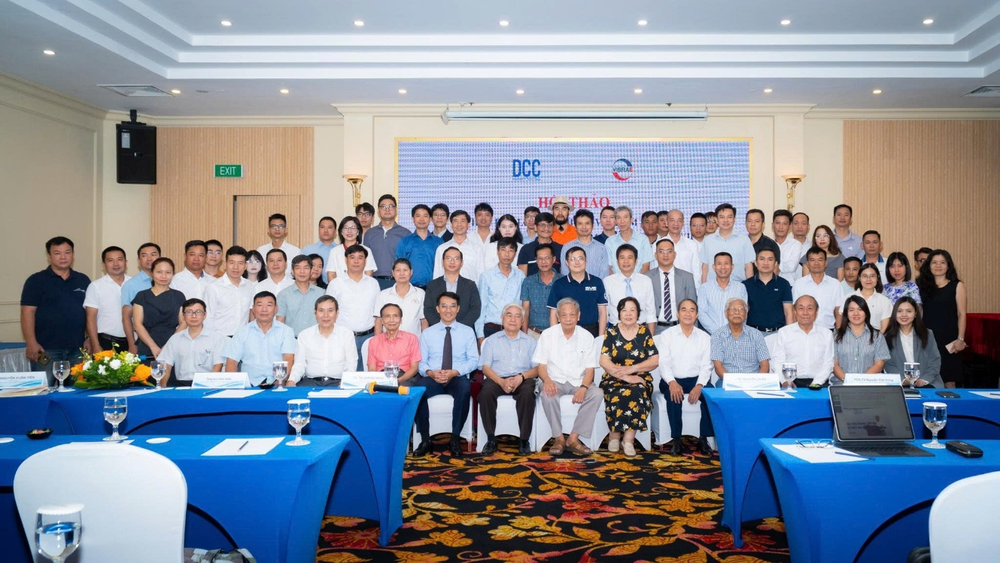
Viet Nam presented the RefNEXT pilot digital refrigerant tracking tool at a national workshop on 24 October 2026. Organised by the Department of Climate Change (DCC) and the Viet Nam Society of Refrigeration and Air Conditioning Engineers (VISRAE), the event brought together 104 participants to discuss HCFC phase-out, HFC phase-down and refrigerant life-cycle management.
Dr Trinh Quoc Dung introduced RefNEXT as a tool designed to track refrigerant movements between equipment owners, service contractors, collection points and treatment facilities. The pilot approach was presented in connection with the Climate and Clean Air Coalition (CCAC)-supported project VN-23-002, which aims to develop a monitoring, reporting and verification (MRV) framework for tracking commitments under the Kigali Amendment.
RefNEXT covers six stages: refrigerant recovery, collection and assessment, recycling or destruction, quality checks, supply for reuse and charging into equipment. The system is designed to record refrigerant types, quantities, cylinder numbers, equipment identifiers, transaction dates and responsible personnel. Supporting documentation may include cylinder weights, photographs and treatment certificates, while QR codes can be used for cylinder identification.
The platform also includes fields for five refrigerant-quality parameters: purity, non-condensable gases, moisture, acidity and volatile impurities. Transaction records can be compiled by facility, refrigerant and reporting period to support MRV activities. Workshop discussions addressed refrigerant leakage during servicing, recovery equipment costs, collection infrastructure, technician training and safety requirements for lower-global-warming-potential technologies.
The CCAC project is implemented by Japan’s Overseas Environmental Cooperation Center (OECC) in collaboration with the Environment and Ecology Institute (EEI). RefNEXT remains a pilot approach, with potential integration into government online services discussed only as a future concept. The workshop did not establish mandatory use of the platform, nationwide deployment or quantified emissions reductions.