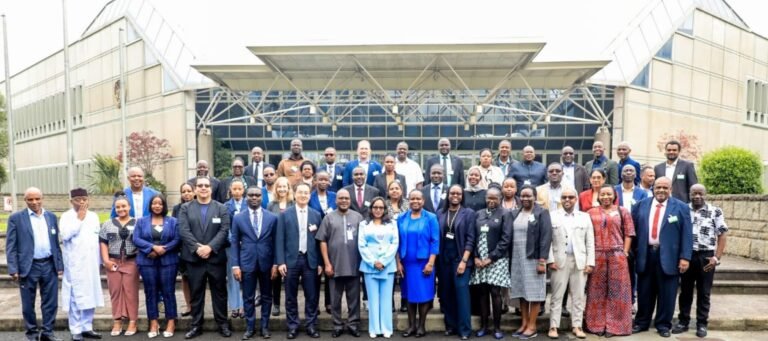
UNEP advances Africa’s HCFC phase-out and HFC reduction plans
Officials from 25 countries focused on enforcement, technician certification and low-GWP refrigerant safety ahead of key deadlines.

Bhutan and Ecuador advance Kigali Amendment goals
Training programmes support safer servicing, lower-GWP refrigerants and improved recovery and regeneration practices.
ASERCOM updates guideline for systems using flammable refrigerants
The October 2026 revision details component requirements, risk assessment and mitigation measures across European RACHP applications.
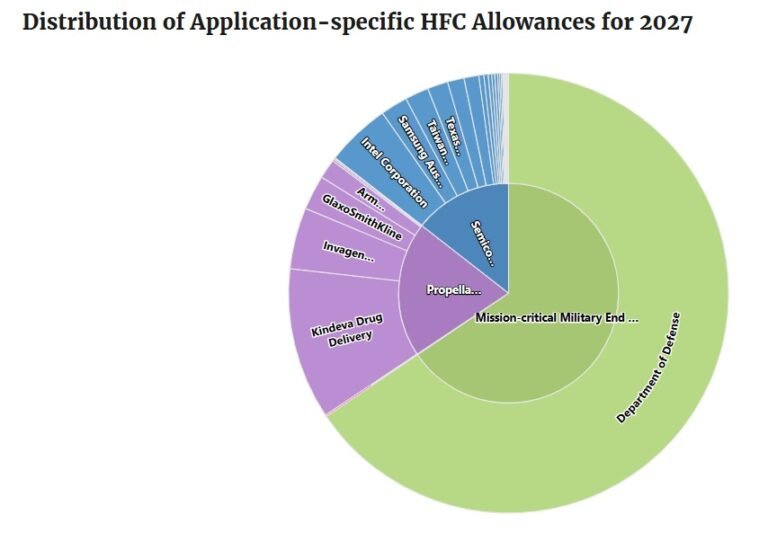
EPA allocates 2027 HFC allowances under US phasedown program
The agency set aside 1 million MTEVe for unforeseen inhaler needs and allocated 3,000 MTEVe for semiconductor-related exports.

Eurovent Certification proposes overhaul of heat exchanger certification
Industry stakeholders will review new product pathways, testing rules and audit requirements at hybrid sessions in Paris on 10 November.
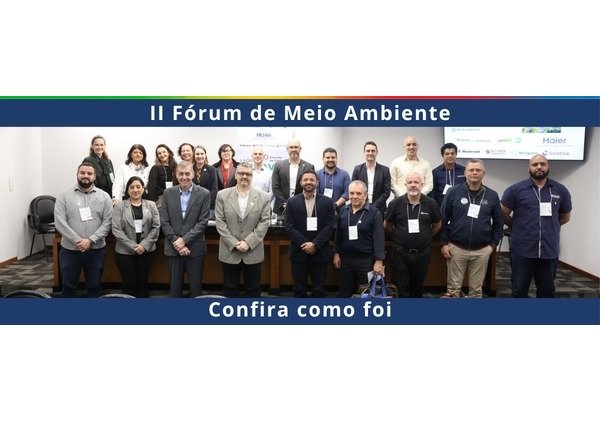
ABRAVA Forum Reviews 10 Years of Kigali Amendment in Brazil
Industry and government leaders focused on refrigerant transition, workforce training, energy efficiency and lifecycle responsibility.

U-3ARC Calls for Training and Policy Action on Africa Refrigeration Day
The association is expanding technician academies while pursuing common standards, certification and refrigerant rules suited to African conditions.

UL Solutions launches liquid cooling certification for US data centers
The program assesses coolant compatibility, leak integrity, durability, flow and interoperability under UL 4501.
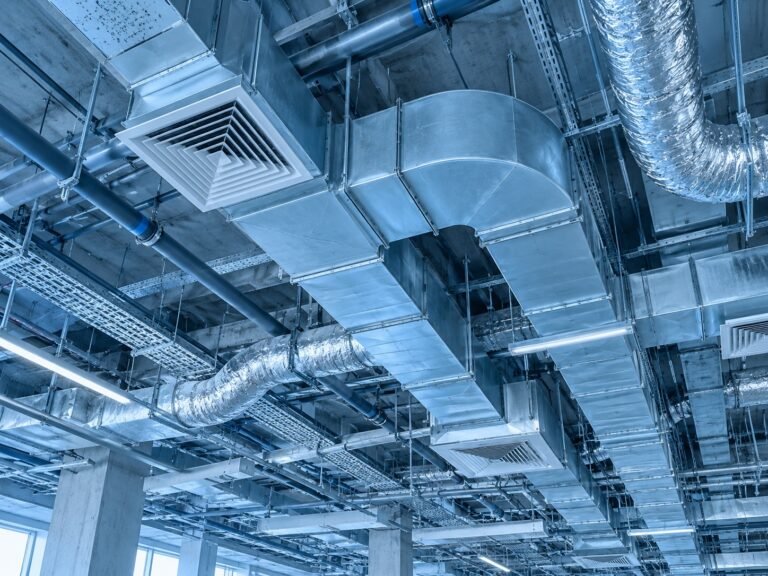
UNE Publishes 2026 HVAC System Hygiene Standard Update
The revision sets competency, experience and procedural requirements for organizations and personnel carrying out HVAC hygienization.
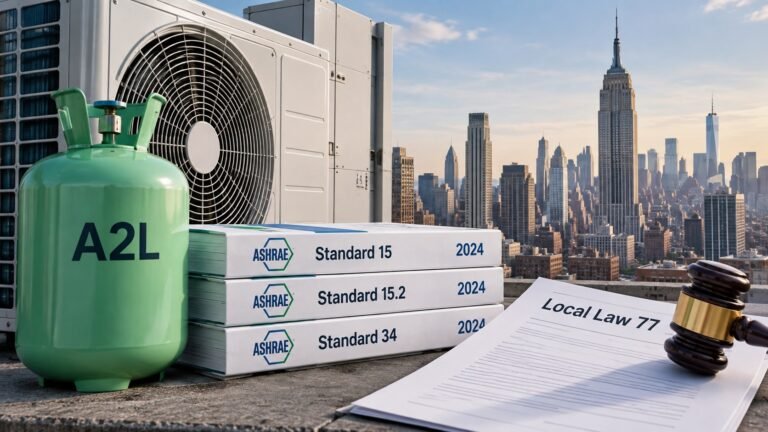
HARDI and AHRI seek changes to New York A2L refrigerant rule
The associations say alignment with 2024 ASHRAE standards would cut project costs and ease access to low-GWP technologies.

ATF confirms 2026–2027 leadership and expands international training
The association is prioritising technician skills for new refrigerants, F-Gas compliance and safety through European and UN projects.

Chemours backs longer EU transition for mobile AC refrigerants
Industry submissions say R-290 and R-744 would require full system redesigns, with safety, regulatory and performance hurdles.
Insights on Regulations

EPA Delays Low-GWP Refrigerant Deadlines, Splitting the US Cooling Industry
The deadline that supermarkets faced to install new refrigeration systems running on low-GWP refrigerants was January 1, 2027. It is now January 1, 2032. On May 21, 2026, alongside President Trump in the Oval Office, EPA Administrator Lee Zeldin announced final revisions to the 2023 Technology Transitions Rule and a proposed technical fix to the

2025 in Refrigeration — What Changed, What Mattered, What’s Next
Refindustry has released its 2025 year-in-review, compiled from the most-read and most impactful updates published on https://refindustry.com/. The review captures how the industry moved from “refrigerant choice” discussions to real-world transition execution—where compliance pathways, safety engineering, component readiness, service capacity, and digital monitoring determine outcomes on projects and in day-to-day operations. What shaped 2025 in

Ammonia Refrigeration Evolves Amid Growing Competition
By: Ilana Koegelenberg Ammonia (NH3/ R717) refrigeration continues to dominate industrial applications across the United States and European Union, but the sector is undergoing significant transformation as operators balance traditional advantages with evolving safety requirements, workforce challenges, and competition from alternative refrigerants. While ammonia maintains its stronghold in large-scale facilities, new technologies and regulatory