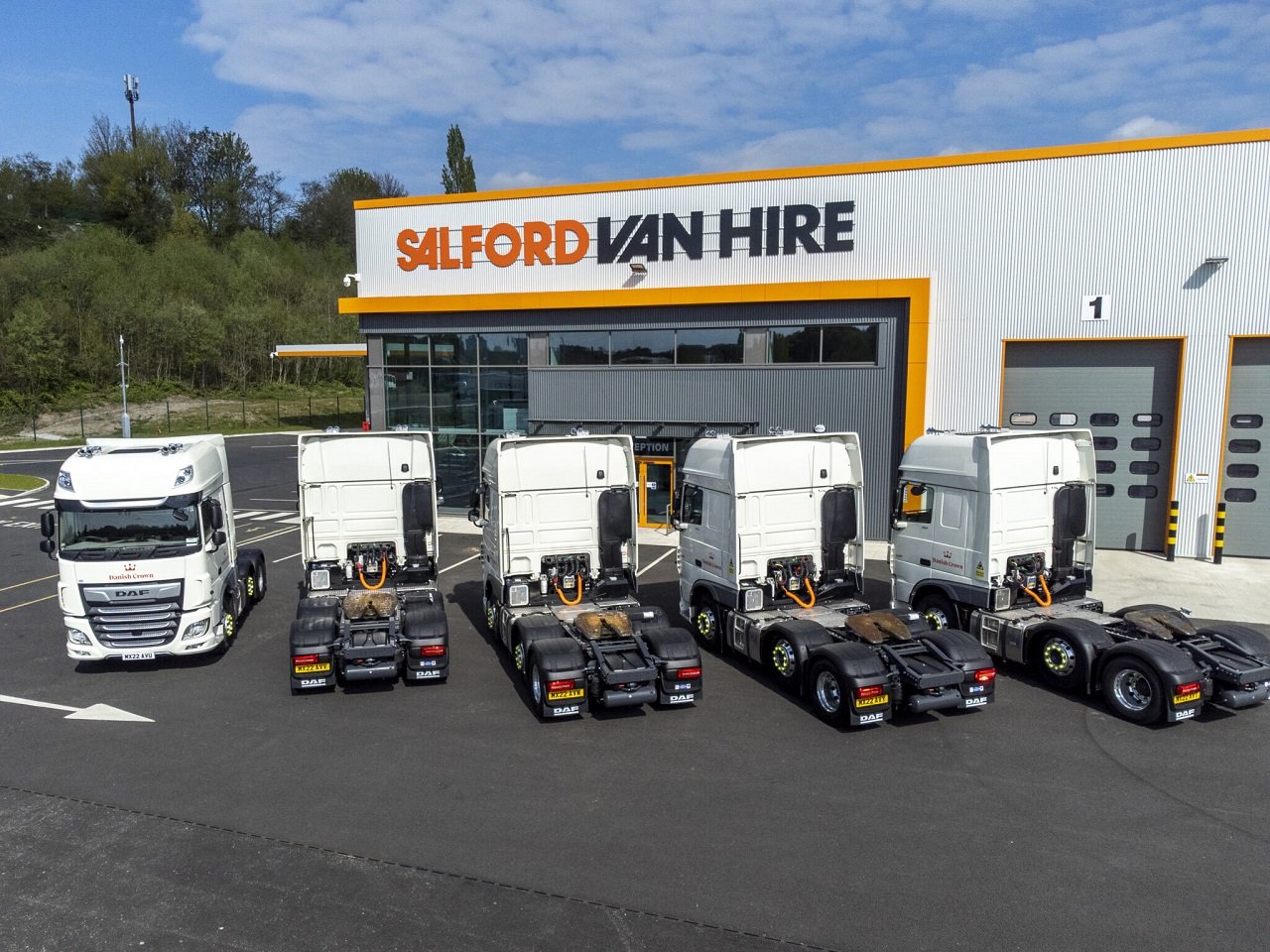
Electric refrigeration specialist Hultsteins has been instrumental in helping Salford Van Hire cut CO2 for its longstanding client Danish Crown.
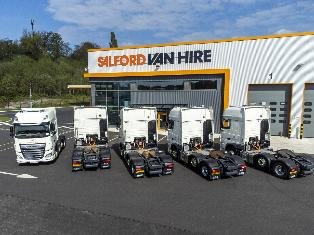
Danish Crown’s UK heavy vehicle fleet comprises eight 13.6-metre refrigerated trailers and five DAF tractor units, used for trunking around the country. They were supplied by Salford Van Hire on a five-year contract hire agreement and became one of the latest targets of the food supplier’s sustainability efforts.
“It’s a modern fleet, and the company is constantly looking at how it can improve its carbon footprint,” explains Steve McNally, Salford Van Hire’s Contracts and Fleet Engineering Director. “We looked at a series of options, including the trailer fleet, which was fairly new, so it wasn’t practical to change the refrigeration units themselves. Also, if your starting point is the tractor unit, then it’s quite difficult to make significant changes, particularly with newer vehicles, so we needed to consider alternatives.”
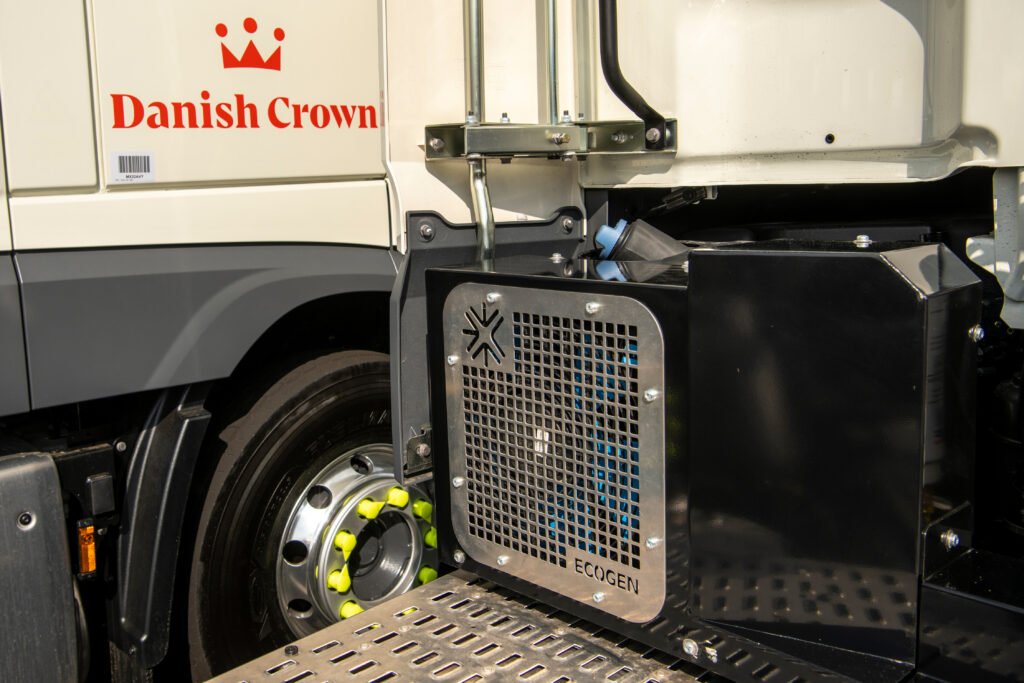
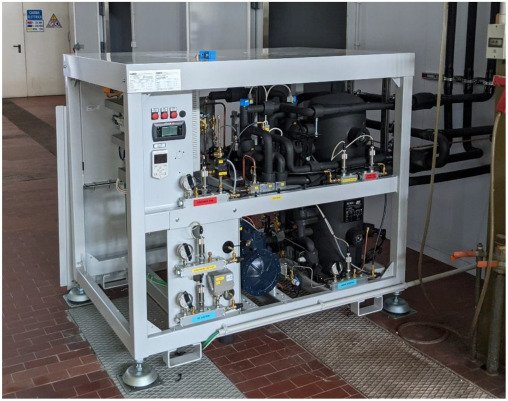
It turned to Hultsteins’ Ecogen range, which transforms existing diesel transport refrigeration units (TRUs) to electric. The system is fitted to the tractor unit and runs off the engine’s power take-off. It generates 400 volts, connects to the fridge motor via a five-pin plug, and converts the TRU of any trailer to which it couples into an emissions-free electric item.
“Environmental ‘best-practice’ has for many years formed an integral part of the Danish Crown business.” Comments Danish Crown Site Director, Mark Simmons. “In addition to the fuel savings we expect to make – over 85% less expenditure on fridge diesel – we will also be slashing our CO2 emissions: given that every litre of diesel burned, produces 2.65kgs of carbon and our fridges will now run mostly on electricity from the Ecogen systems, we will be reducing emissions by around 50 tonnes every year.”
“The Ecogens represented a simple way to reduce CO2, because we could fit them to the company’s current trailer pool,” adds Steve. “The big benefit, compared with a lot of other electric options, is that it doesn’t matter what trailer you pull. There’s no issue with matching up at all, and it will work with most late model fridge units with a simple adjustment.
“It’s so unrestrictive, and one of the easiest and most effective options we could offer. It allowed us to convert Danish Crown’s trailers to electric immediately, and keep the existing fridge units in place, so it was a very economical way of improving the company’s carbon footprint. We replaced one of the tractor units early, so all of them could run on electric instantaneously but, other than that, the vehicles, the trailers, and the TRUs remained the same.”
Danish Crown’s entire articulated heavy vehicle fleet has been equipped with Hultsteins’ Ecogen units since early May, rendering its TRUs completely emission-free. Steve believes the ability to retrofit the Ecogen units to existing vehicles is especially pertinent at present, because widespread supply chain issues are forcing operators to hold onto older vehicles and equipment beyond typical replacement cycles.