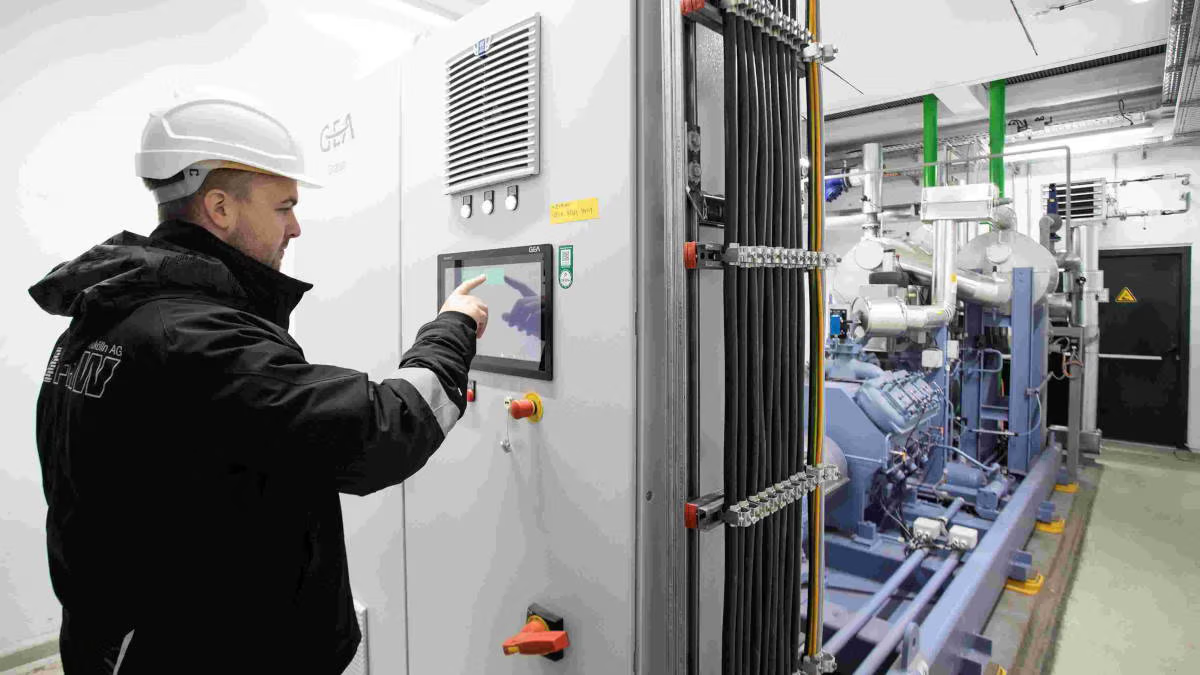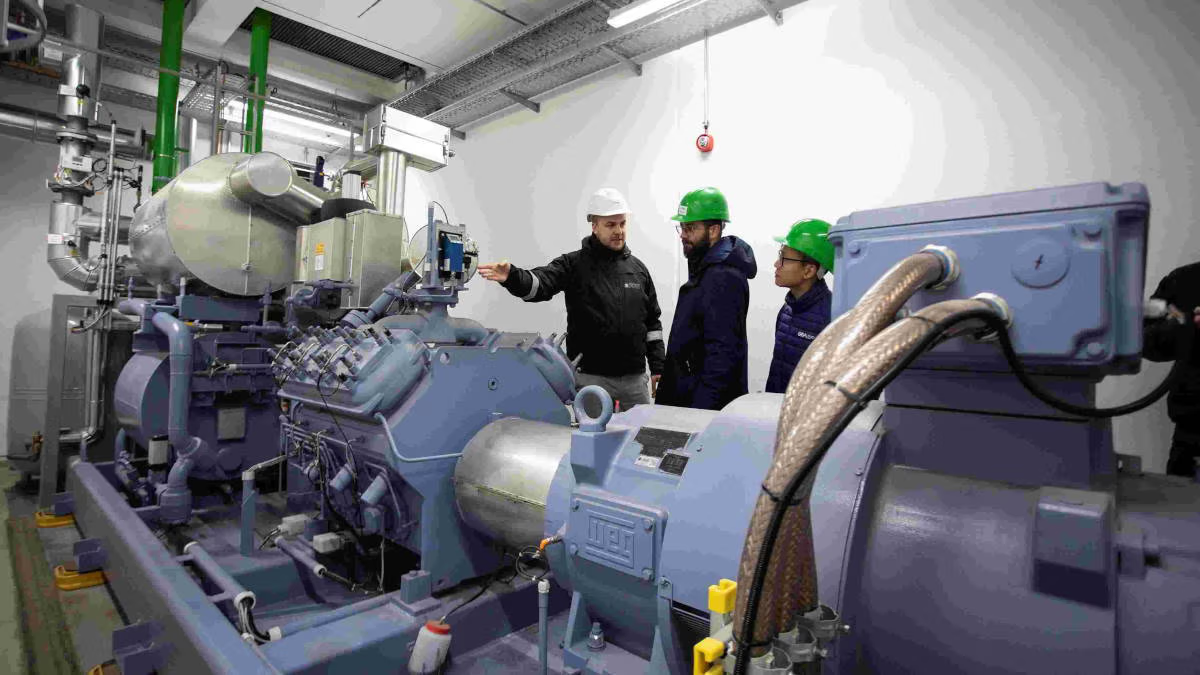
GEA is supporting the climate-friendly generation of district heating for households in the Berlin districts of Neukölln and Kreuzberg by supplying two large heat pumps for the Neukölln district heating plant (FHW). With the delivery of two large heat pumps for The 8.5-ton units are not only at the heart of the heat transition at the Berlin-Neukoelln district heating plant (FHW) but are also a key component of the nationwide research project “Reallabor der Energiewende” (laboratory of the energy transition), initiated by the German government and financially supported by the Federal Ministry of Economics and Climate Protection.
In addition to Berlin-Neukoelln, large heat pumps will be installed in Stuttgart, Mannheim and Rosenheim and tested in real operation until March 31, 2026. Energy suppliers and scientific institutes from all over Germany are researching the practical suitability, potential and application conditions of large heat pumps in district heating networks under the umbrella of the Arbeitsgemeinschaft Fernwärme (AGFW, now the Efficiency Association for Heating, Cooling and Combined Heat and Power). The data and findings obtained are intended to accelerate the heat transition and will be shared among the partners.
Heat generation at the Berlin-Neukoelln combined heat and power plant
The heat is generated at the Weigandufer site of the Berlin-Neukoelln combined heat and power plant.
A GEA large-scale heat pump is already connected to the five combined heat and power plants. It uses the waste heat from the charge air cooling of the highly efficient combined heat and power plants. This increases the efficiency of the entire plant by around five percent. This means that an additional 4,000 megawatt hours of heat can be generated per year for the neighborhood from waste heat that would otherwise be lost.
Another new “hydrogen-ready” combined heat and power plant with a large GEA heat pump will soon go into operation.
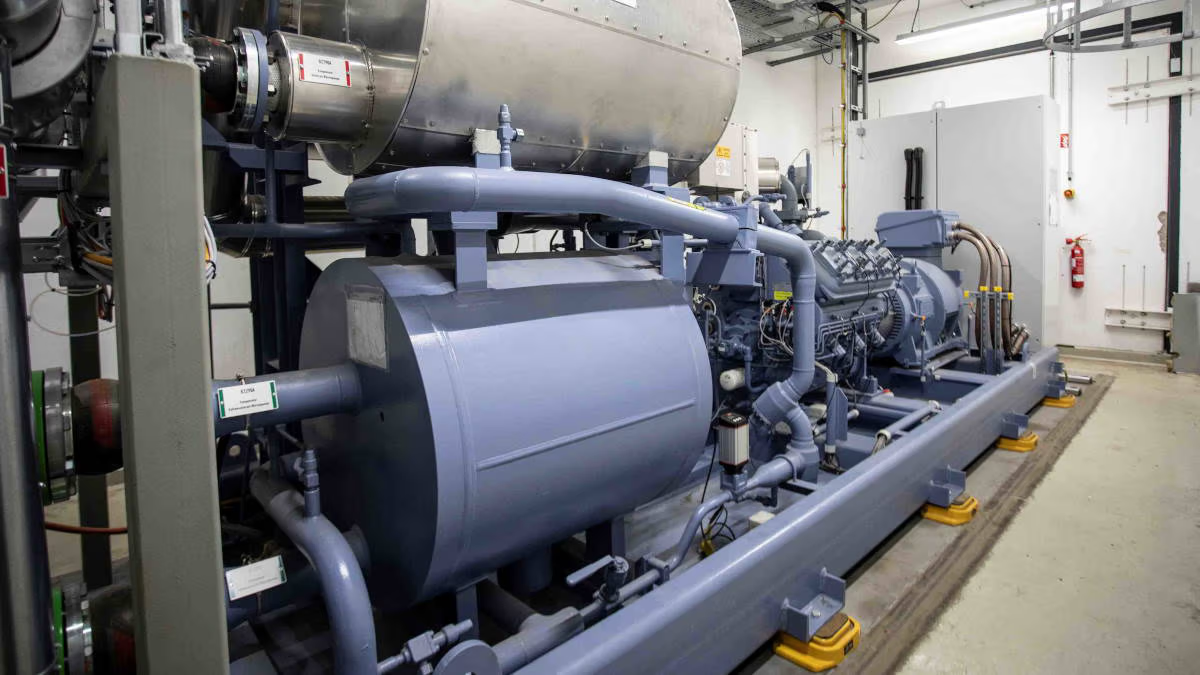
The new combined heat and power plant is “hydrogen-ready”. The second GEA large-scale heat pump forms the heart of the plant.
The GEA solution for the FHW Neukölln: two RedGenium heat pumps
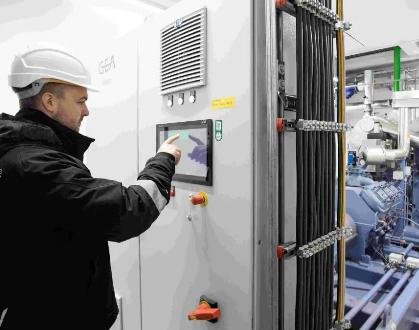
GEA is supplying a total of two large heat pumps for the FHW Neukoelln. The GEA RedGenium is a highly efficient ammonia heat pump with Grasso reciprocating compressor, evaporator with integrated liquid separator and all heat exchangers as fully welded plate heat exchangers. The factory-assembled and ready-to-connect unit is equipped with a frequency converter as standard.
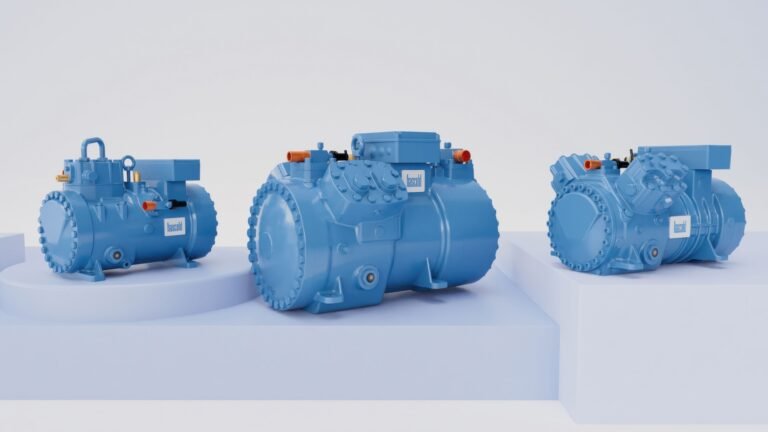
The RedGenium heat pump in conjunction with the brand new GEA
Grasso V XHP reciprocating compressor enables temperatures of +95 °C to be provided. In addition to the temperature increase, the largest V XHP compressor also offers almost double the capacity compared to previous models available on the market. The new GEA Grasso V XHP reciprocating compressor series thus sets new standards. The new GEA solution ideally complements the existing heat pump portfolio, as it is ideally suited for many processes with high heat load requirements. These are, for example, applications in the food, beverage and dairy industries. The temperature level also meets the criteria for space heating, district and local heating networks.
Electrically driven heat pumps are able to replace conventional heating systems based on fossil fuels. They use either available process waste heat or other heat sources from the environment and transfer the heat to a high temperature level. Even when using pure “coal power”, for example, a heat pump is much more sustainable than conventional boilers thanks to its outstanding efficiency, as it only requires around a third of the primary energy of a boiler to deliver the same output.
GEA’s industrial “Red” heat pumps are a proven concept and widely used by international customers in various industries and sectors. This is also due to the key figures. In combination with the natural refrigerant ammonia at low charge rates, the technology offers the best efficiencies in its class. The most important parameter, which significantly reduces energy consumption and overall costs and thus ensures a significantly improved ROI (return on investment).