Esta página solo está disponible en inglés. Ir a la portada en español

×

Questa pagina è disponibile solo in inglese. Home page in italiano

×

Diese Seite ist nur auf Englisch verfügbar. Zur deutschen Startseite

×

Cette page est disponible uniquement en anglais. Aller à la page d'accueil en français

×

Kuehne+Nagel establishes network of cross dock warehouses in support of healthcare market in U.S.

Kuehne+Nagel establishes network of cross dock warehouses in support of healthcare market in U.S.

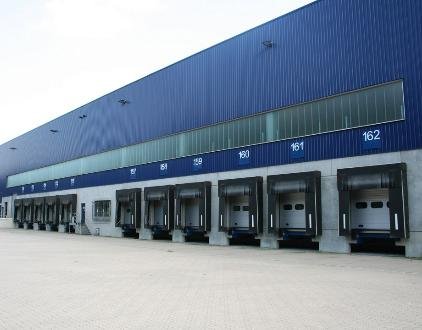
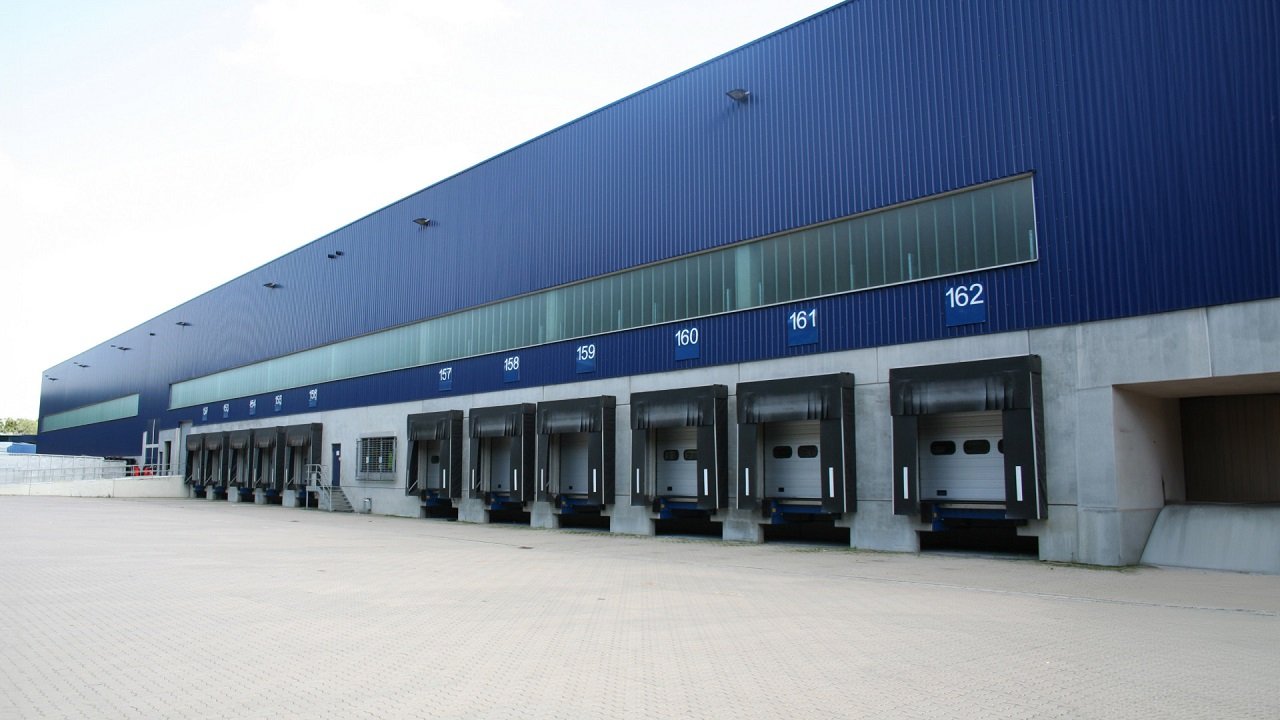
Kuehne+Nagel’s expanded network of cross-dock facilities now includes warehouses in Philadelphia, Pennsylvania; Atlanta, Georgia; Wilmington, North Carolina; and Los Angeles, California. Four additional locations across the country will open in 2024. All of the facilities offer multiple temperature ranges and comply with Kuehne+Nagel’s HealthChain certification, ensuring the highest global quality standards for transporting, handling, and storing of healthcare products.

With this solution, Kuehne+Nagel addresses the growing need of the healthcare market for more sustainable and cost-optimized supply chains, in an industry where precise temperature control and timely delivery are paramount.

The cross-dock concept features the loading and unloading of sea freight temperature-controlled containers in a GxP-compliant warehouse near an ocean port, allowing for the prompt return of empty containers to the port. At the temperature-controlled warehouse, the containers are sorted and optimized for road transportation to their final destination. This reduces the use of multiple containers and eliminates or lowers detentions charges due to a fast turnaround of container management.  

“Cross-docking optimizes the time that products spend in transit, streamlines the handling process, and reduces costs and CO2 emissions,” said Jeff Garcia, Industry Champion Healthcare for Kuehne+Nagel. “We began this concept as a pilot program with a large, global human and animal health customer for their animal health division at one warehouse, resulting in a double-digit savings of costs in the container inbound process and cutting CO2 emissions by nearly half. Based on this success, we are proud to be expanding this offering to the healthcare market across the United States.”

Get the daily refrigeration briefing

One email a day. Trusted by 3,000+ RACHP professionals.

More on Cold Chain

All on Cold Chain →

Insights

Secop's Solar Direct Drive (SDD) System Earns WHO PQS Approval – The Team Behind It
Article

Secop’s Solar Direct Drive (SDD) System Earns WHO PQS Approval – The Team Behind It

Partner's material In March 2026, Secop’s Solar Direct Drive Power Management Module was granted WHO PQS prequalification and officially listed in the WHO Catalogue of Prequalified Immunization Devices. The WHO IMD-PQS (Immunization Devices Performance, Quality and Safety programme) is the global benchmark for cold chain equipment used in immunisation. Being listed in its catalogue is

22 Jun 2026
Case Study - Effect of Louvers or diffusers on air flow distribution and cooling time on a meat log during Chill cycle
Tech Guide

Case Study – Effect of Louvers or diffusers on air flow distribution and cooling time on a meat log during Chill cycle

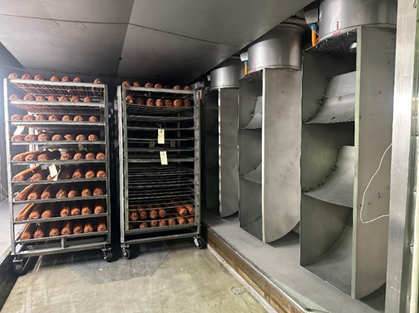
By Kushal Aurangabadkar An experimental analysis was conducted on a cooler space measuring 3.66 m × 6.096 m (12.0 ft × 20.0 ft), equipped with an ammonia refrigeration coil, five 30 cm (12 in.) fans, and five diffusers. The study measured airflow patterns, cooling rates, and heat transfer efficiency in meat storage by testing two configurations:

Kushal Aurangabadkar · 21 Jan 2026
Total Cost of Ownership (TCO) for Modular Refrigeration Systems in Life Sciences Distribution Centers
Tech Guide

Total Cost of Ownership (TCO) for Modular Refrigeration Systems in Life Sciences Distribution Centers

by Ramez Naguib, P.E. Introduction Life sciences distribution centers are under immense pressure to deliver consistent temperature control, comply with increasingly stringent regulations, and optimize operational efficiency. Traditional built-up refrigeration systems often prove cumbersome, costly, and slow to implement. In contrast, modular, factory-assembled refrigeration systems have emerged as a compelling alternative. Drawing on lessons from

14 Jan 2026
Everything on Cold Chain: 2,040 articles, 1 case study, 23 insights

Most read this month

All news →