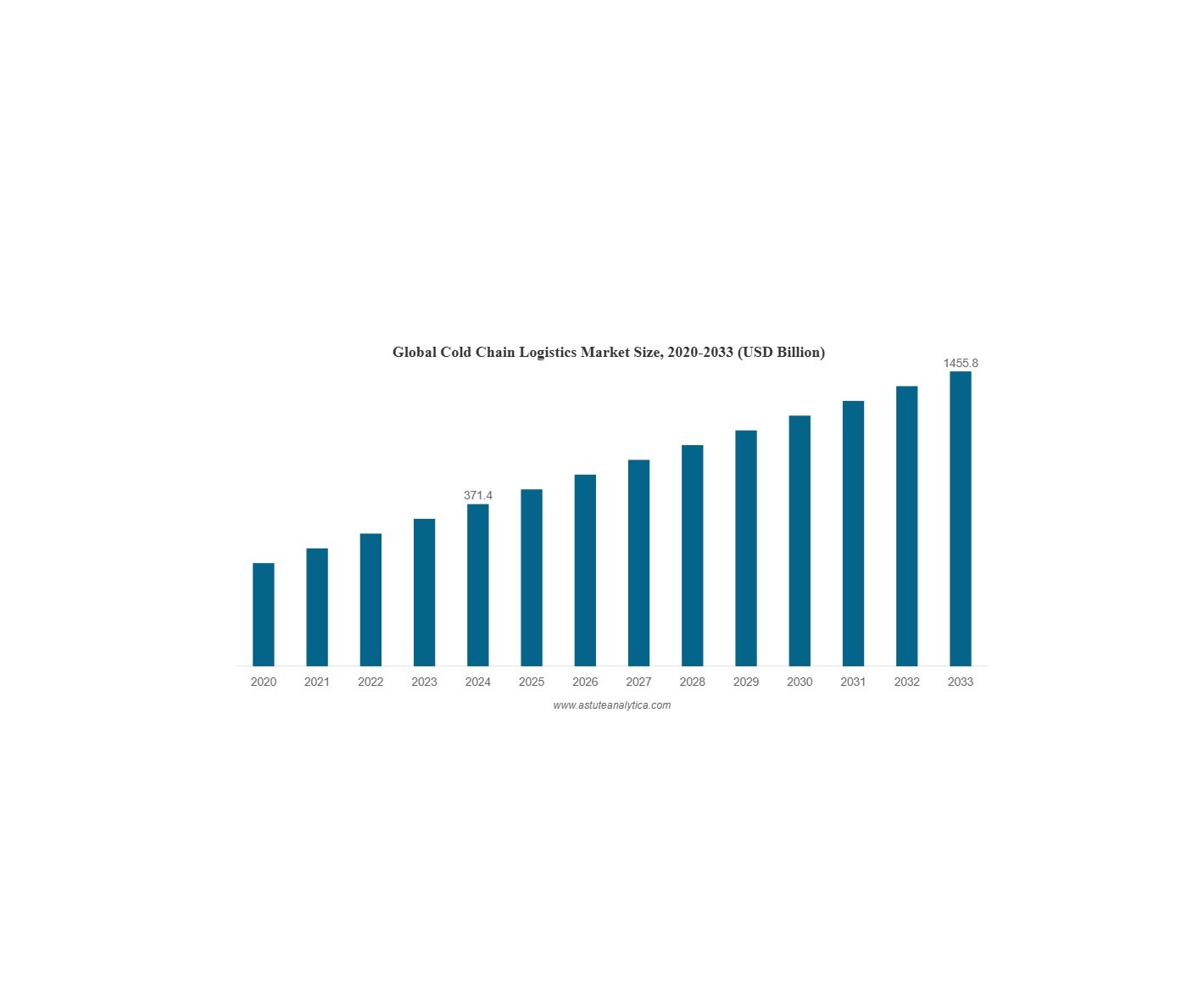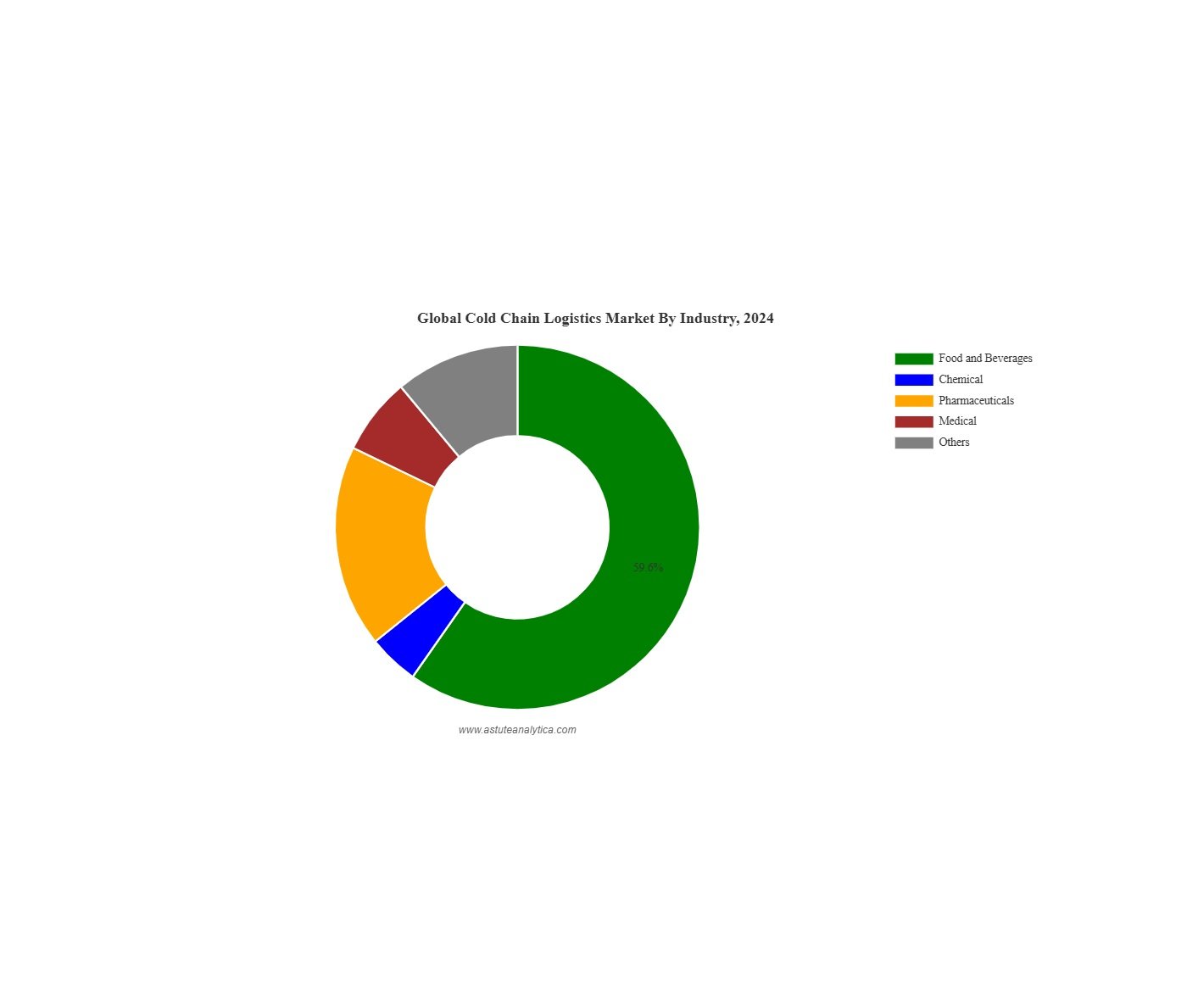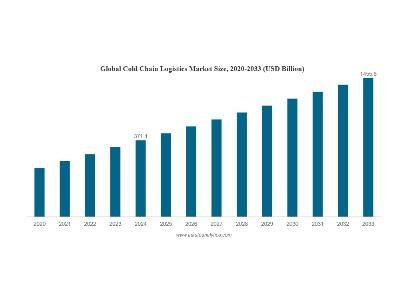
The global cold chain logistics market is projected to grow from US$ 371.4 billion in 2024 to US$ 1,455.8 billion by 2033, at a compound annual growth rate (CAGR) of 16.39%, according to Astute Analytica. This growth is driven by increased demand for perishable goods and pharmaceuticals, alongside digital shifts in grocery shopping and the expansion of quick commerce.
The biopharmaceutical sector plays a key role in this trend. In 2024, the U.S. FDA approved 50 new molecular entities, including 18 biologic drugs requiring cold chain transport. Of these, 81% were antibody-based therapies, and 22 were first-in-class, demanding advanced logistics solutions. This surge is mirrored in air freight, with global pharma cargo volumes rising 2% in 2024. Notably, outbound volumes from North America increased by 4% in 2024, accelerating to 16% year-on-year growth in early 2025.
Online grocery sales are also reshaping the cold chain landscape. By mid-2025, an estimated 81 million U.S. households are expected to shop for groceries online. In September 2025, sales peaked at US$ 12.5 billion, up US$ 3 billion from the previous year. Quick commerce is expanding rapidly, with 600 million global users in 2024, expected to reach 900 million by 2029. In the U.S., 56.1 million people used these services in 2024. Amazon’s launch of 15-minute deliveries in India further highlights the growing need for micro-fulfillment centers with cold storage capabilities.
Cold storage construction is increasing to meet demand. In the U.S., five speculative cold storage projects added 1.1 million square feet in 2024, with 2.2 million more expected in 2025. India expanded its capacity to 39.6 million metric tons across 8,698 facilities by August 2024. U.S. vacancy rates remained low at 4.4% nationally and just 0.8% in Chicago in early 2024.
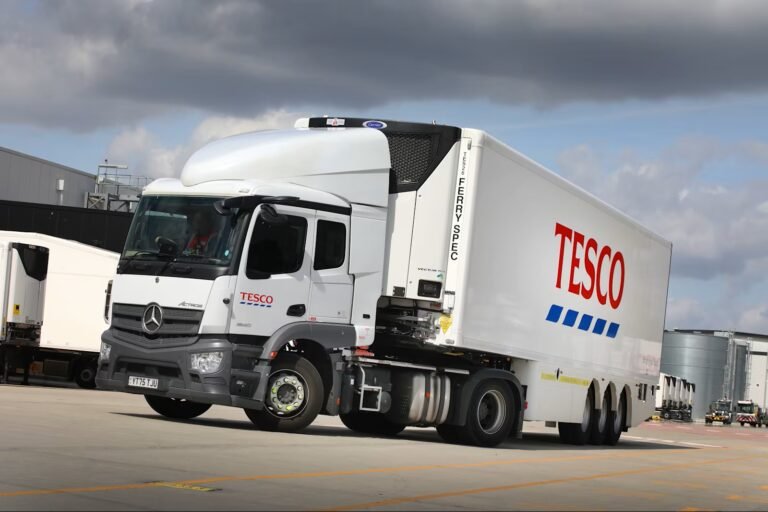
Sustainable transport solutions are gaining ground. China sold 7,506 new energy refrigerated trucks in the first eight months of 2024, including 5,479 fully electric units. In the U.S., 15,316 medium and heavy-duty electric vehicles were deployed as of mid-November 2024. Sysco aimed to grow its electric fleet to over 130 vehicles by mid-2024.
Warehouse automation is advancing, with 4.28 million robots projected to be in use globally by 2025, and up to 50,000 fully robotic warehouses in operation. FedEx has introduced tracking solutions like SenseAware Mobile and opened a Life Science Center in Mumbai in 2024 with integrated temperature and humidity controls.
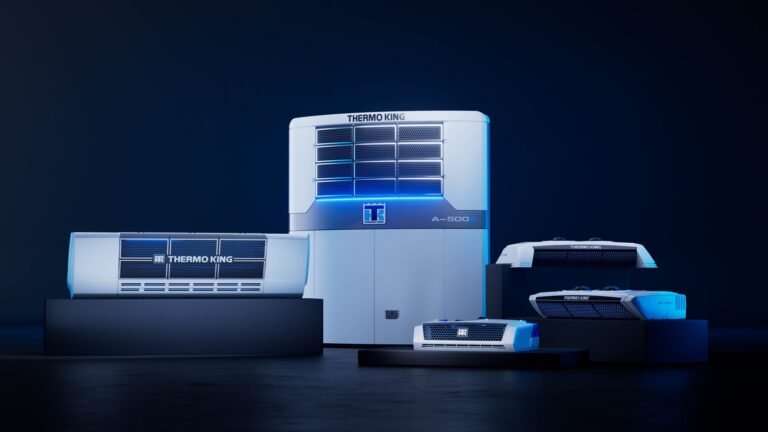
Investments in sustainability continue to rise. UK-based Sunswap raised over €20 million in 2024 to support trials and production of zero-emission refrigeration units. In India, a startup secured 153 million rupees for electric refrigeration development. FedEx launched new packaging options maintaining 2–8°C for up to 96 hours.
Emerging markets are key focus areas. DHL is investing €2 billion in healthcare logistics, with 25% earmarked for Asia-Pacific and another 25% for the EMEA region. India is advancing 400 cold chain projects with Rs 117 billion in funding. By February 2024, 372 projects had received approval.
The competitive landscape is evolving through acquisitions and capital investments. There were 18 acquisitions in 2024 and six more by September 2025. North American companies raised US$ 3.7 million in equity in early 2024. DHL Group plans to invest US$ 1.1 billion in the Americas and operates nearly 600 healthcare sites across 130 countries.
FedEx launched the va-Q-one and Bio Cool packaging systems in 2024 and opened its GMP-compliant Mumbai Life Science Center. DHL is also expanding GDP-certified Pharma Hubs as part of its 2025 strategy.