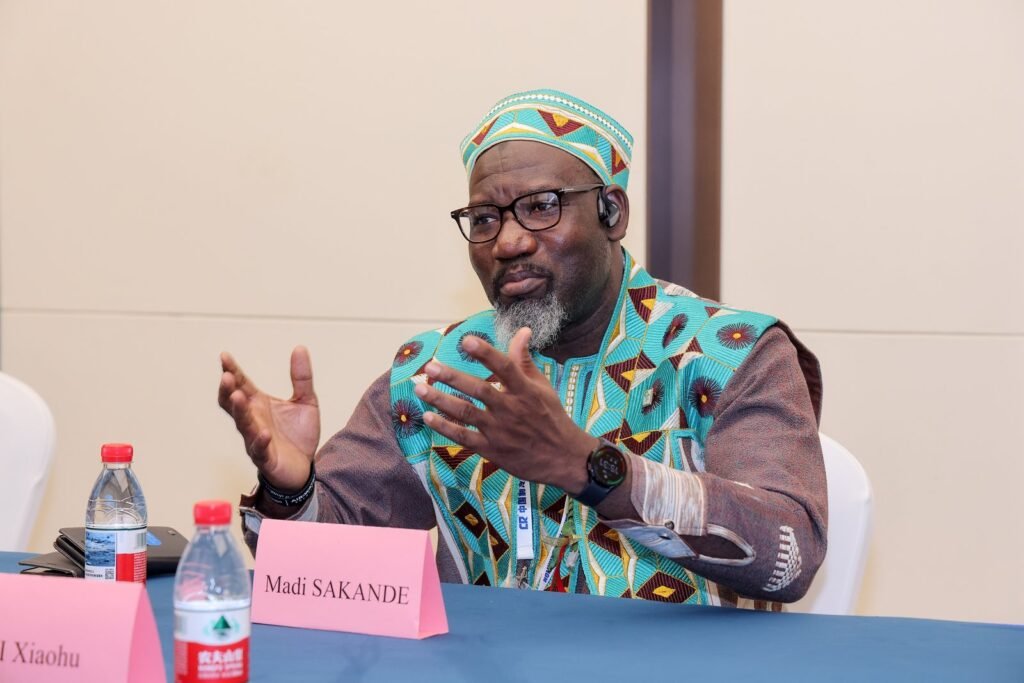
U-3ARC President Madi Sakandé has called on African governments to make refrigeration a national strategic priority, citing its role in food preservation, healthcare and digital infrastructure. He also urged greater investment in technician training, common refrigeration standards and technologies adapted to African climatic conditions.
Sakandé highlighted food losses caused by inadequate or nonexistent cold chains. He said post-harvest losses linked to cold-chain shortcomings in sub-Saharan Africa are estimated at 70% or more, representing several hundred million tons of food annually. In the documentary “Damaged Goods,” filmed by Nigerian filmmaker Ike Nnaebue in several African countries, more than 60% of tomato harvests are described as rotting before reaching buyers.
He also criticized refrigeration equipment designed to operate at 15°C (59°F) being supplied for conditions reaching 45°C (113°F) in the shade. According to Sakandé, African states impose import taxes of between 40% and 111% on new, high-performance refrigeration equipment.
U-3ARC’s proposed roadmap includes large-scale training in green refrigeration and an African Refrigeration Directive establishing common standards, energy-efficiency requirements and priority for natural refrigerants. The organization also wants foreign technology partnerships to include skills transfer, co-construction in Africa and participation by African engineers in decision-making.
Sakandé also linked refrigeration engineering to Africa’s emerging data centers, arguing that cooling technologies designed for other climates consume excessive energy. He called for refrigeration engineering designed locally for local conditions.
“To heads of state, ministers, and decision-makers who will read these lines: make refrigeration a national strategic axis, or accept remaining forever in the waiting line of development,” Sakandé said.