Esta página solo está disponible en inglés. Ir a la portada en español

×

Questa pagina è disponibile solo in inglese. Home page in italiano

×

Diese Seite ist nur auf Englisch verfügbar. Zur deutschen Startseite

×

Cette page est disponible uniquement en anglais. Aller à la page d'accueil en français

×

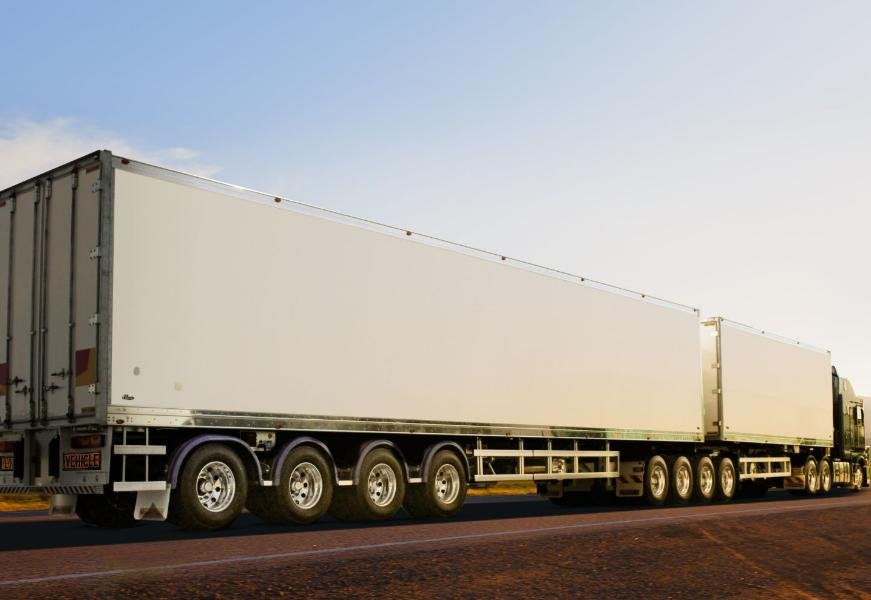
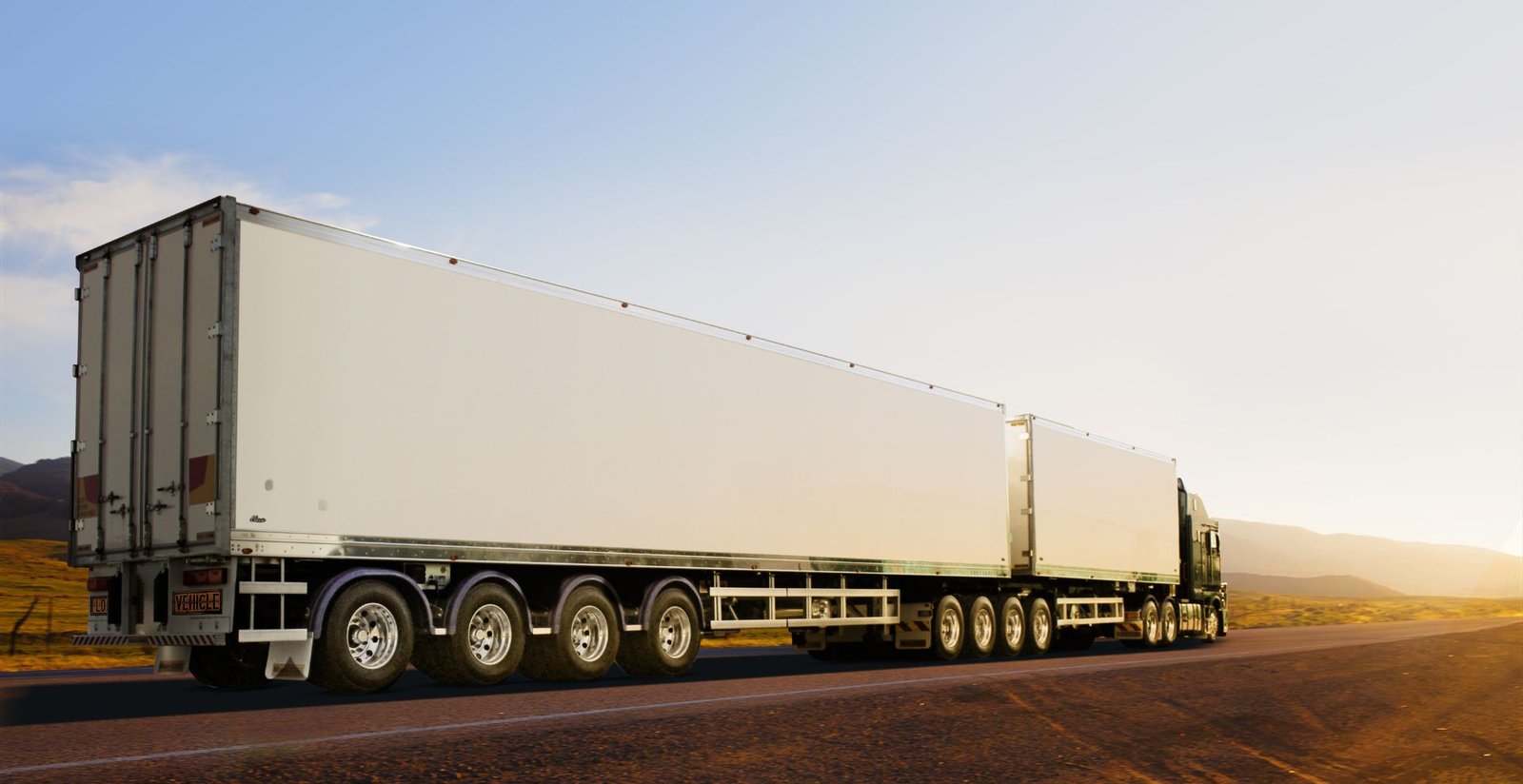
Schmitz Cargobull takes majority stake in Australia’s Freighter Group

The deal gives Freighter access to global technology and supply chains as Michael Temminghoff takes over as CEO.

Schmitz Cargobull takes majority stake in Australia’s Freighter Group

Schmitz Cargobull has increased its investment in Australian trailer manufacturer Freighter Group and now holds a 72% majority stake in the company. The transaction marks the next step in the long-term partnership between the two businesses and supports Schmitz Cargobull’s long-term commitment to the Australian market.

The increased investment follows the strategic partnership announced in April 2023. For Freighter Group, the partnership provides long-term stability and direct access to Schmitz Cargobull’s global expertise and product development pipeline.

The majority acquisition builds on recent investments, including the $50 million upgrade of the Ballarat manufacturing facility, which has transformed it into a modern production hub. The infrastructure enables Freighter Group to integrate Schmitz Cargobull’s engineering and production technologies with Australian-built durability.

The company is also strengthening its aftermarket service and parts network. According to the release, this is intended to increase uptime and provide access to local and global parts supply chains.

Freighter Group has appointed Michael Temminghoff as Chief Executive Officer, effective immediately. He has worked for Schmitz Cargobull in multiple roles for more than 15 years and will focus on supporting Freighter Group’s development while preserving its customer-first culture.

“We have been serving Australian customers for 15 years and by increasing our stake in Freighter Group, we are reaffirming our long-term commitment to the Australian market,” said Andreas Schmitz, CEO of Schmitz Cargobull. “This step is also testament to our belief in the strength of the local team. Our role is to support and enable the continued development of Freighter Group — providing access to global expertise, technology and networks, while the Freighter team continues to shape the business with its deep local knowledge and customer focus.”

Get the daily refrigeration briefing

One email a day. Trusted by 3,000+ RACHP professionals.

Related news

Most read this month

All news →

Related insights

Article

Secop’s Solar Direct Drive (SDD) System Earns WHO PQS Approval – The Team Behind It

Partner's material In March 2026, Secop’s Solar Direct Drive Power Management Module was granted WHO PQS prequalification and officially listed in the WHO Catalogue of Prequalified Immunization Devices. The WHO IMD-PQS (Immunization Devices Performance, Quality and Safety programme) is the global benchmark for cold chain equipment used in immunisation. Being listed in its catalogue is

22 Jun 2026
Tech Guide

Case Study – Effect of Louvers or diffusers on air flow distribution and cooling time on a meat log during Chill cycle

By Kushal Aurangabadkar An experimental analysis was conducted on a cooler space measuring 3.66 m × 6.096 m (12.0 ft × 20.0 ft), equipped with an ammonia refrigeration coil, five 30 cm (12 in.) fans, and five diffusers. The study measured airflow patterns, cooling rates, and heat transfer efficiency in meat storage by testing two configurations:

Kushal Aurangabadkar · 21 Jan 2026
Tech Guide

Total Cost of Ownership (TCO) for Modular Refrigeration Systems in Life Sciences Distribution Centers

by Ramez Naguib, P.E. Introduction Life sciences distribution centers are under immense pressure to deliver consistent temperature control, comply with increasingly stringent regulations, and optimize operational efficiency. Traditional built-up refrigeration systems often prove cumbersome, costly, and slow to implement. In contrast, modular, factory-assembled refrigeration systems have emerged as a compelling alternative. Drawing on lessons from

14 Jan 2026