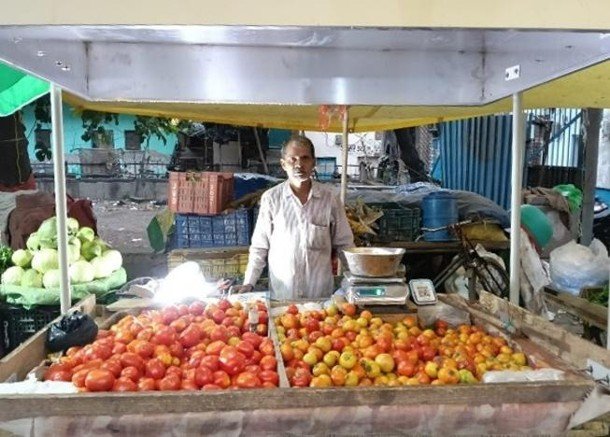
Bihar, a leading horticulture-producing state in East India, faces significant challenges due to its underdeveloped cold-chain infrastructure. These include inadequate packhouses, poor road connectivity, unreliable power, and extreme weather, leading to an annual loss of 2–4 million tonnes of fruits and vegetables and generating 5–10 MtCO₂ equivalent emissions, according to a United Nations Environment Programme (UNEP) and Alliance for an Energy Efficient Economy (AEEE) analysis.
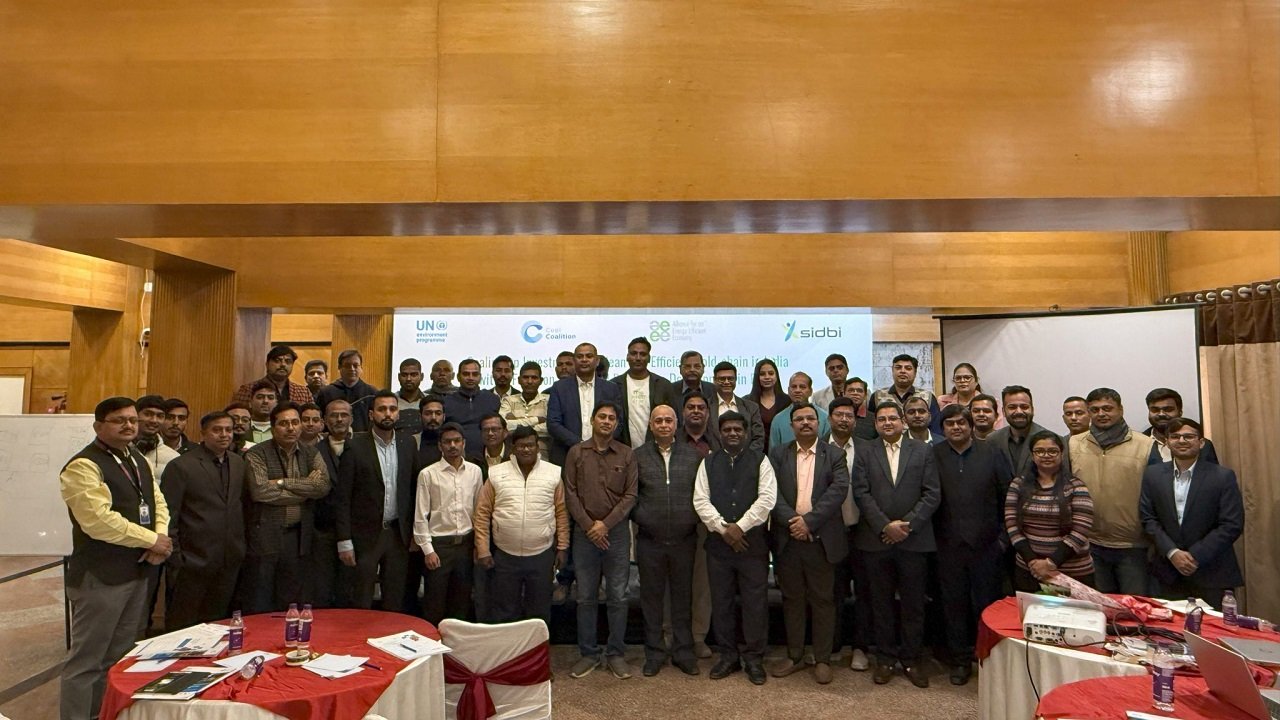
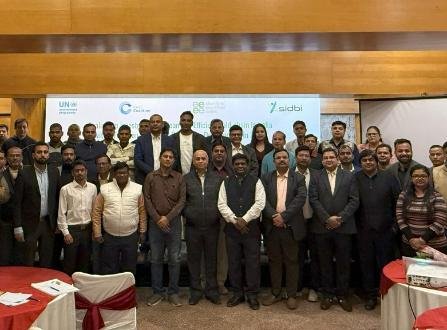
To address these issues, UNEP and AEEE, under the India Cold Chain Programme (ICCP) with support from the Small Industries Development Bank of India (SIDBI), organized a workshop titled “Scaling-up Investments in Clean and Efficient Cold-chain in India with a focus on integrated packhouse development in Bihar” on December 13 in Patna. The workshop aligns with Bihar’s Climate-Resilient and Low-Carbon Development Pathway, promoting sustainable economic growth while building climate resilience.
“There is an urgent need for Bihar to capitalize on its diverse horticultural production and expand its reach to global consumers through integrated cold-chain,” said Anubha Prasad, General Manager at SIDBI. “The quality of agricultural produce in Bihar is unmatched… We need to rapidly scale up investments in robust cold-chain infrastructure, especially first-mile packhouses with reefer transport, to support farmers and MSMEs while reducing food loss and emissions.”
The workshop provided insights into cold-chain handling and post-harvest management for key crops like litchi and mango. It emphasized the importance of integrated packhouses equipped with energy-efficient and renewable technologies. Discussions included site selection, design processes, business models, financing mechanisms, and government schemes for cold-chain development. SIDBI also presented its Green Finance scheme to support sustainable technologies.
Madhavendra Kumar Thakur, Chairman of Mithila Vegetable Processing and Marketing Cooperative Union Ltd., highlighted the need for bridging the farm-to-fork cold-chain gap. “By creating rural packhouses adopting energy-efficient, renewables, and climate-friendly solutions, we can enhance nutritional security, boost rural livelihoods, and align Bihar’s growth with low-carbon development goals,” he stated.
The workshop saw participation from over 50 stakeholders, reflecting strong interest in developing Bihar’s cold-chain infrastructure. Participants explored business models, procurement processes, and funding opportunities for packhouse projects.
Moving forward, UNEP and AEEE will provide policy support and focus on demonstrating sustainable packhouses under ICCP while prioritizing the development of new cold-chain projects. This initiative aims to build a market-linked, resilient, and efficient supply chain for Bihar’s horticulture sector.