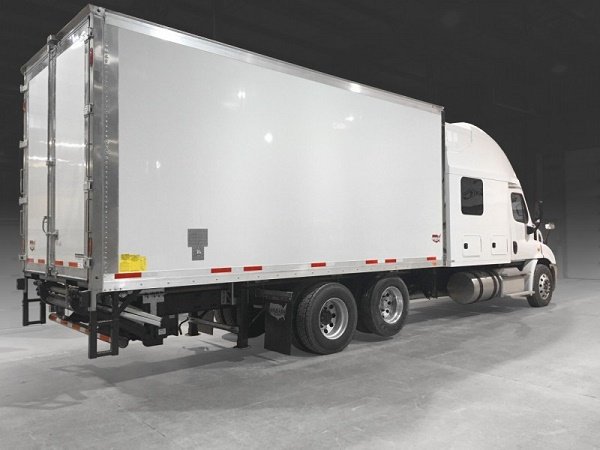
Wabash National Corporation, a producer of truck bodies, semi-trailers and liquid transportation equipment, has delivered its 100th Cold Chain refrigerated truck body with the company’s proprietary molded structural composite (MSC) technology.
Wabash National’s Cold Chain truck bodies with MSC technology have been hitting the road with pilot customers since the company introduced the new product in October 2015. In April 2017, Wabash National opened a facility in Little Falls, Minnesota, for the production of MSC panels for refrigerated truck bodies and 53’ trailers.
“Customers’ interest in our Cold Chain refrigerated truck body with MSC has continued to increase,” said Mike Pettit, group president of Wabash National’s Final Mile Products business, which includes the Wabash and Supreme brand products for final mile delivery. “We’re thrilled with the positive response from customers who see the value in our new material technology that performs better than the conventional materials.
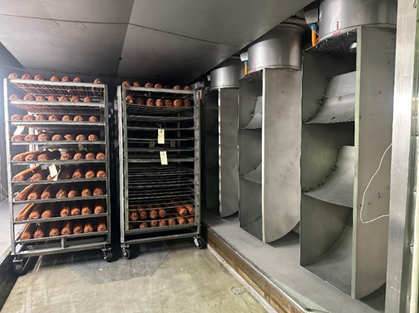
The 100th MSC truck body was delivered to longtime Wabash National dealer Stoops Freightliner-Quality Trailer for one of the world’s largest fleets for cold product delivery to wholesalers, hospitals, clinics and retailers.
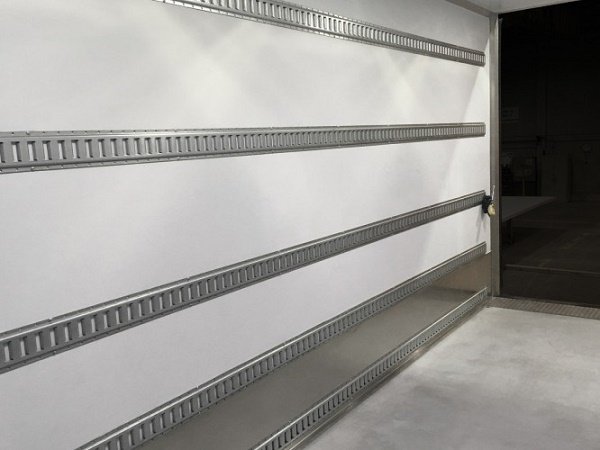
“Customers are impressed with the appearance of the Wabash truck body with MSC, and the weight savings and thermal benefits of the MSC body are both big factors for my customers,” said Nathan Meyer, Expediter Sales at Stoops. “The encapsulated foam insulation is the most efficient out there in the market and also offers a longer life than traditional methods of insulation. This is also the only body in production that has a standard floor rated for fork lifts. I think that speaks to the durability. The MSC body is designed and built to stand up to all my customers’ needs.
Ranked as a Heavy Duty Trucking Top 20 Product in 2016 , the Wabash Cold Chain Series refrigerated truck body introduces true innovation to the final mile. Featuring the company’s patent-pending MSC technology, thermal efficiency is improved by up to 25 percent over conventional designs, while weight is reduced by as much as 15 percent. That’s taking performance to new heights, all while realizing greater abrasion and impact resistance to extend truck body life.
“Our customers rely on us to provide them products that outperform the market and reduce operating costs,” said Mickey McKee, vice president of sales, Final Mile Products. “Cold Chain truck bodies are more thermally efficient, lighter and stronger than anything else in the market. All those add up to benefits for our customer base.
“Wabash has a great legacy of developing innovative products that change the trailer market,” added Tim Marling, vice president of new product and business development, Final Mile Products. “We think Cold Chain, with its proprietary design and components, will do the same for the refrigerated truck body market.