Esta página solo está disponible en inglés. Ir a la portada en español

×

Questa pagina è disponibile solo in inglese. Home page in italiano

×

Diese Seite ist nur auf Englisch verfügbar. Zur deutschen Startseite

×

Cette page est disponible uniquement en anglais. Aller à la page d'accueil en français

×

Eurovent hosts 2025 Kälte Kolloquium on sustainable food refrigeration

Eurovent hosts 2025 Kälte Kolloquium on sustainable food refrigeration

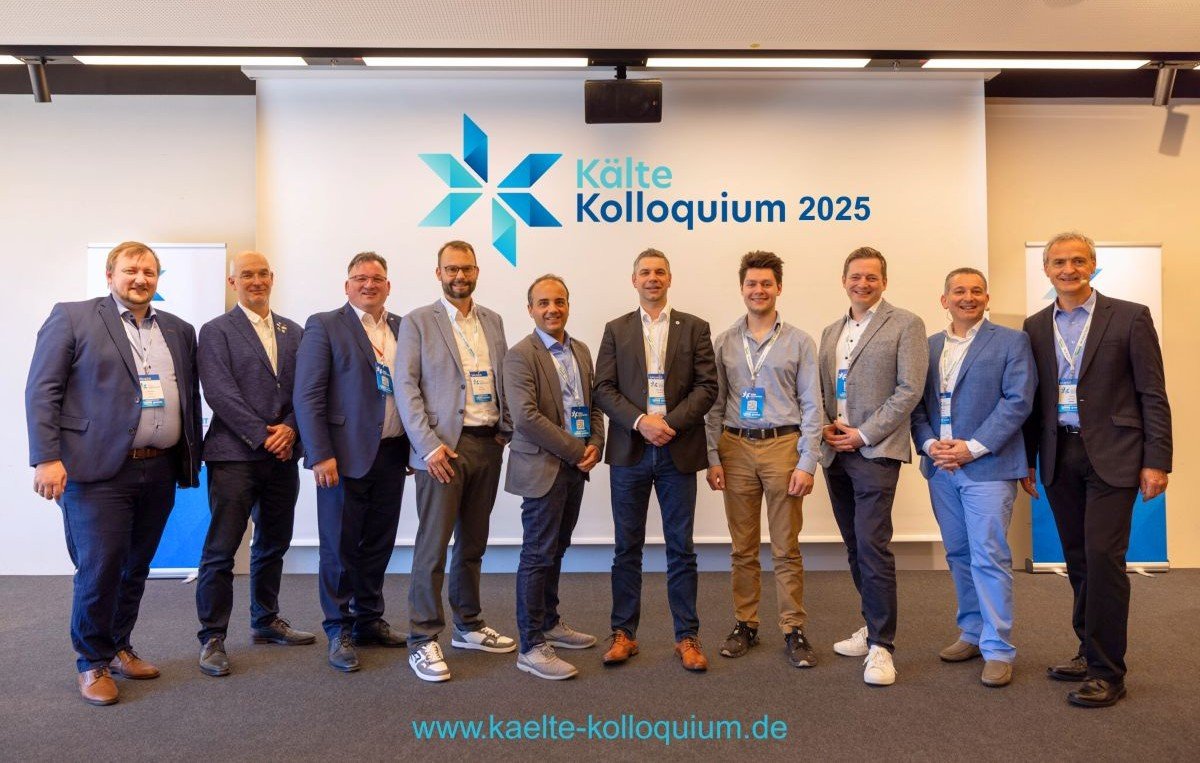
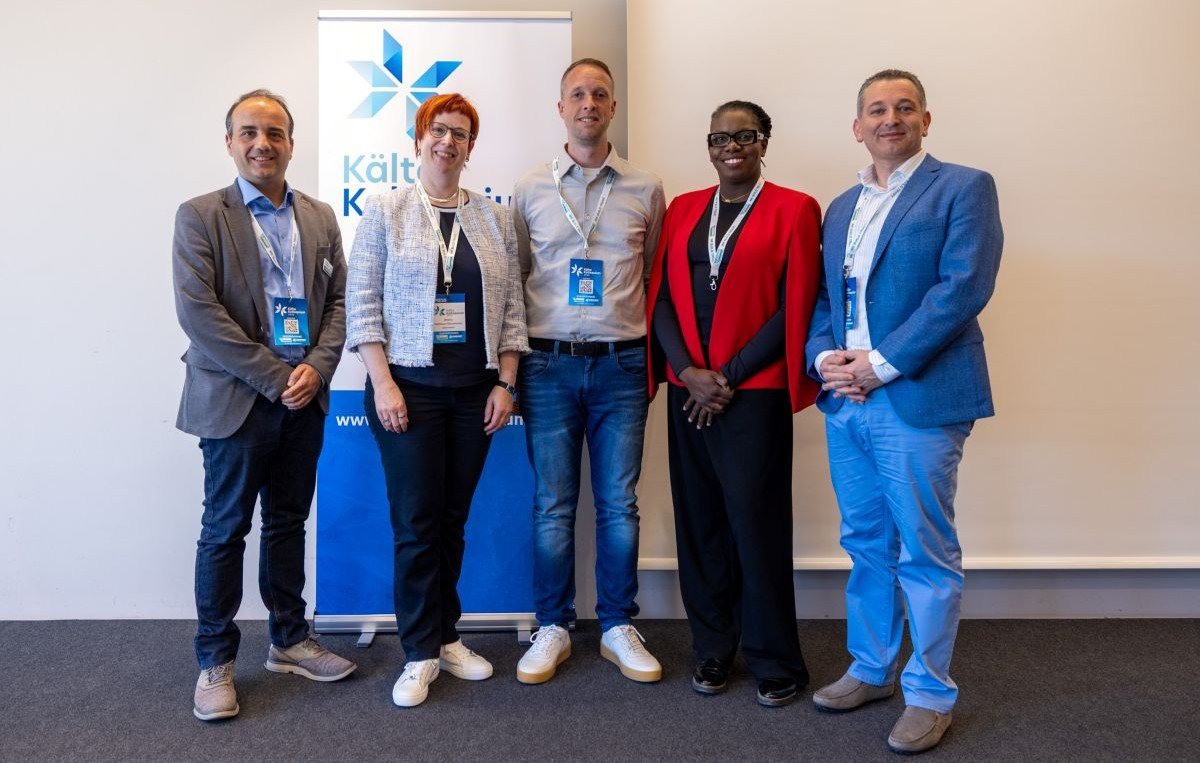
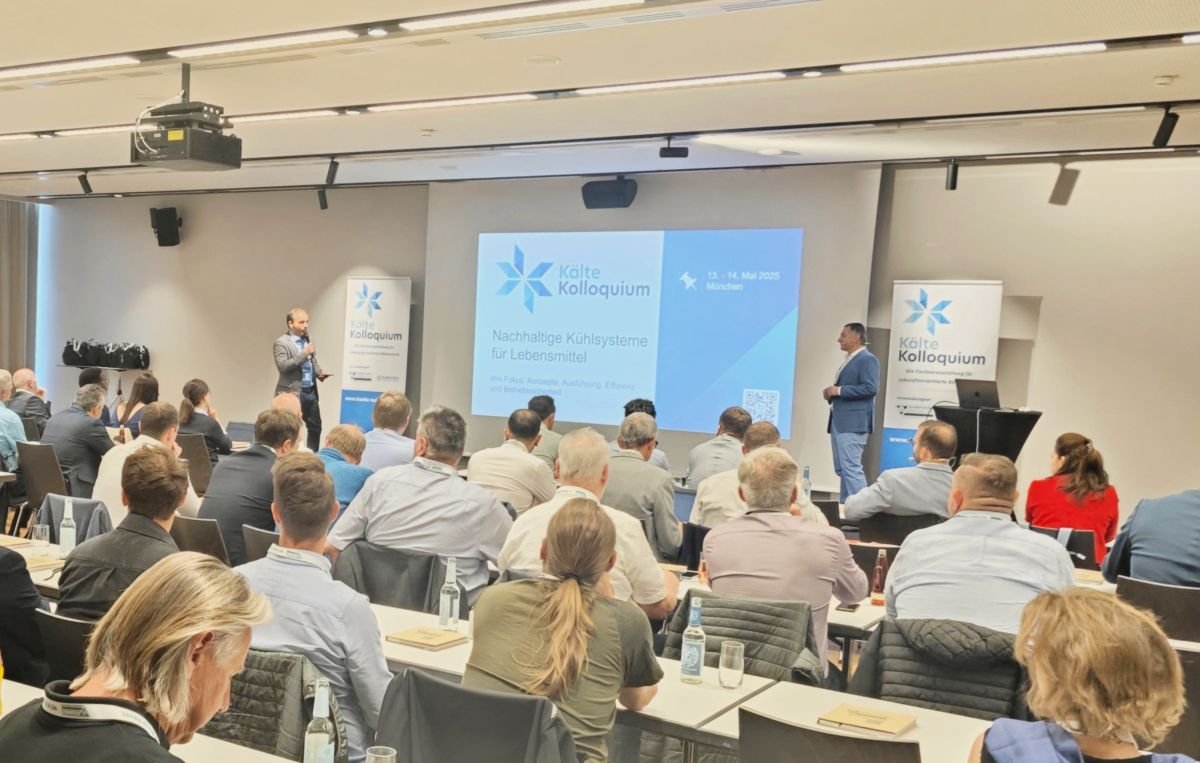
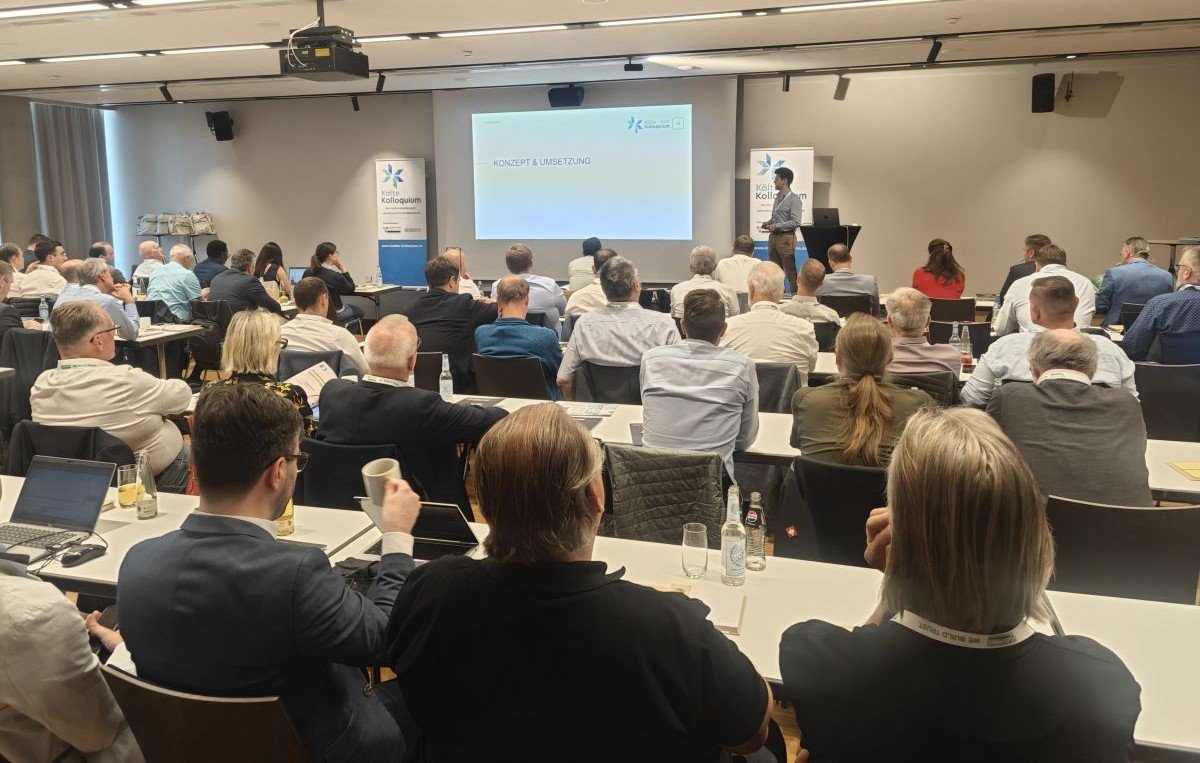
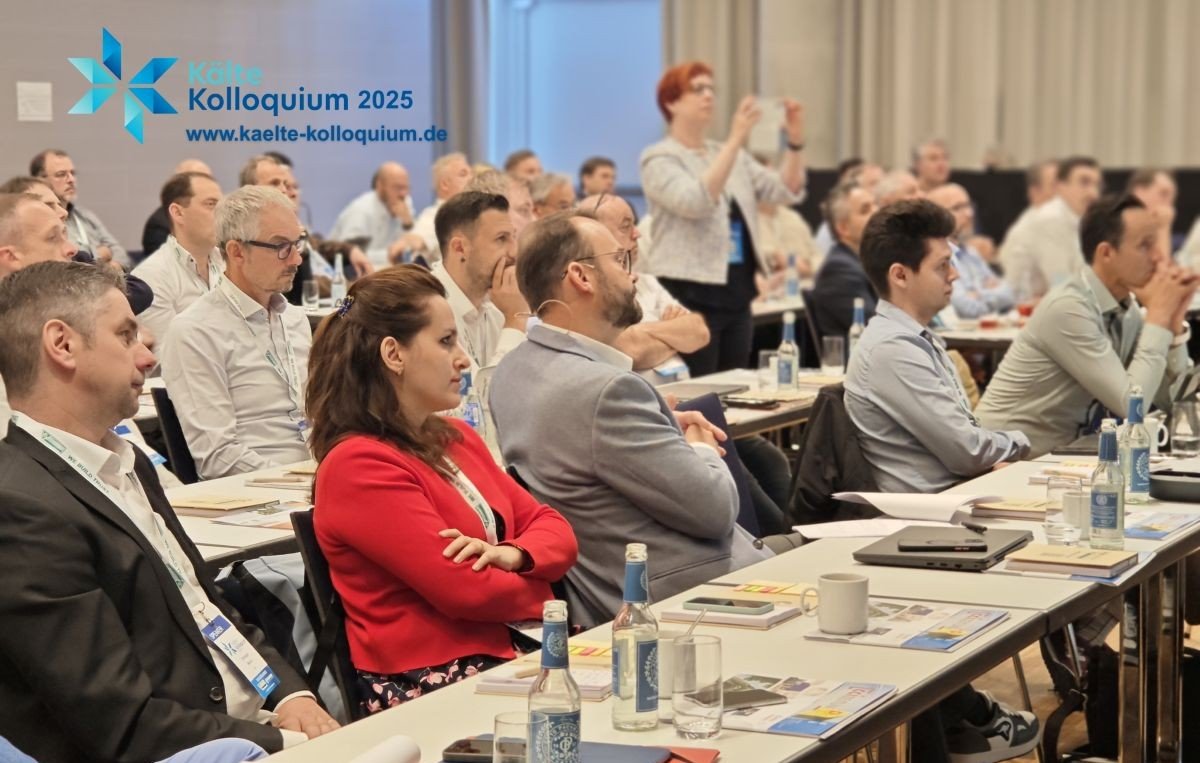
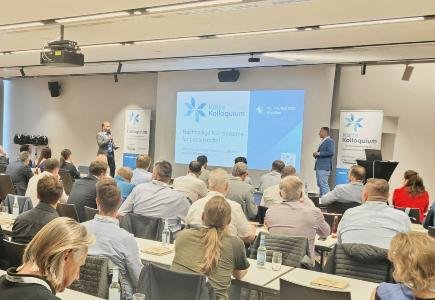
The 2025 Kälte Kolloquium, held on 13–14 May in Munich, focused on sustainable refrigeration systems for food and gathered 87 participants across multiple venues. Organised by Eurovent Certification and Eurovent Association, in cooperation with Gerhard Frei from COOLPLAN and supported by Roland Handschuh and media partners cci Dialog GmbH, KKA, and Klima Journal, the event featured a full technical agenda and site visits.

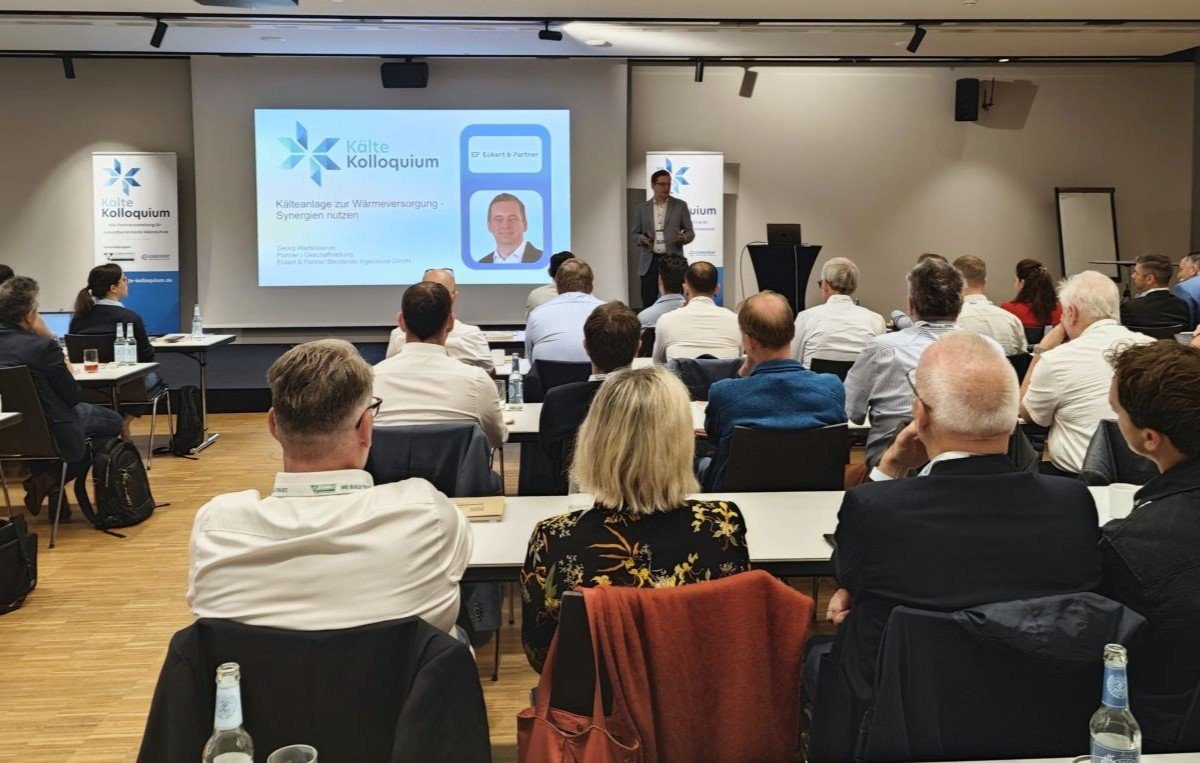
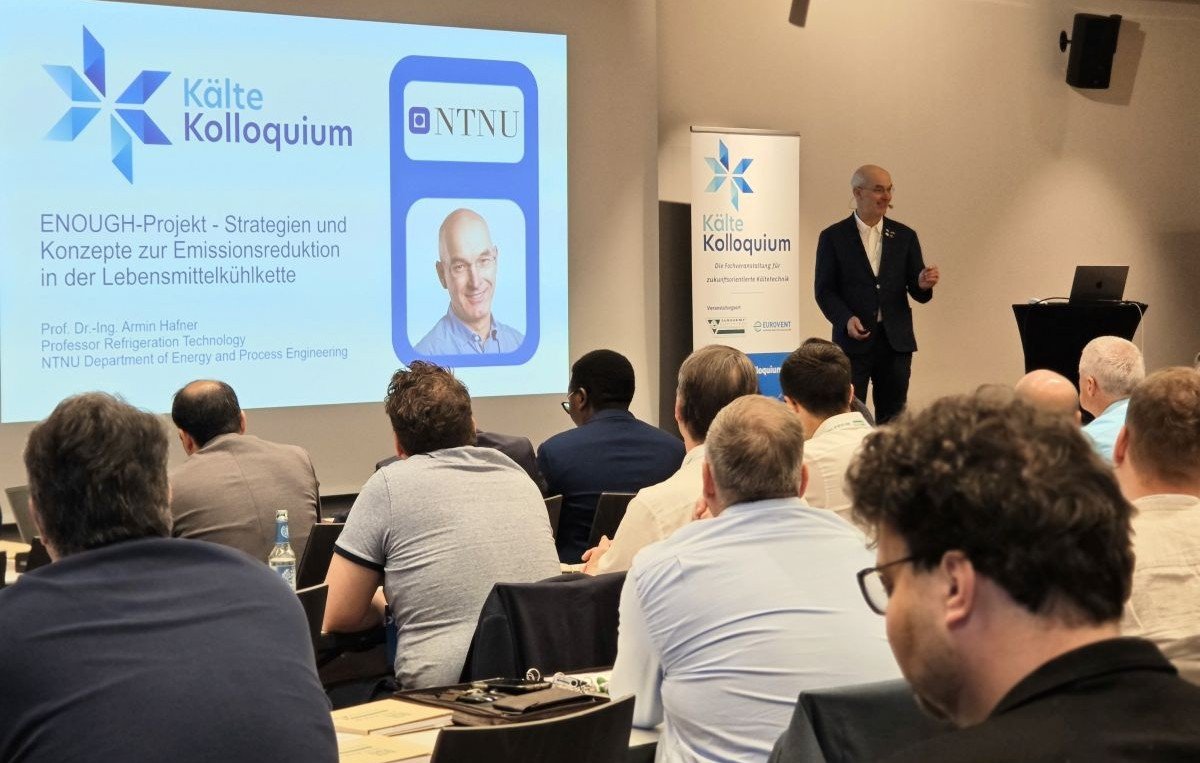
The first day at the Science Congress Centre in Garching opened with a welcome from Sylvain Courtey, President of Eurovent Certification, who also honoured the late Tim Kroeger. Technical presentations included Prof. Dr.-Ing. Armin Hafner (Norwegian University of Science and Technology) on the ENOUGH Project’s strategies for reducing emissions in the food cold chain, and Georg Wartelsteiner (Eckert & Partner Beratende Ingenieure GmbH) on using refrigeration systems for heat supply.

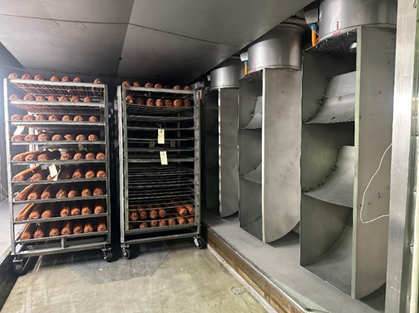
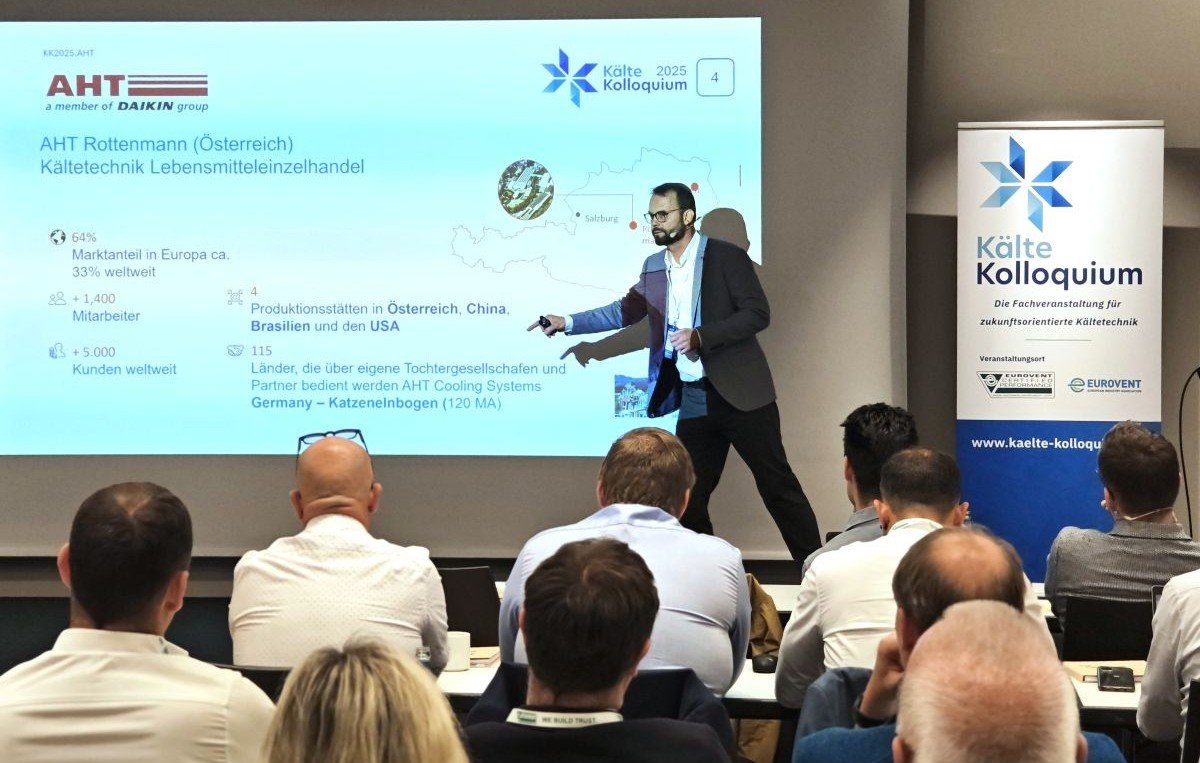
Additional talks covered water loop concepts in food retailing by Markus Kielnhofer (AHT Cooling Systems GmbH), thermal barriers via air curtain systems by Benjamin Meißner (Frico GmbH), and catering refrigeration technology at Allianz Arena presented by Christian Kraus (Dussmann Kälte- und Klimatechnik GmbH – KED). Richard Dogan (Amberger Kühltechnik GmbH) discussed NH3 cooling for HoWe sausage products, and Christoph Mudra (Johnson Controls Systems & Service GmbH) addressed industrial waste heat recovery with large heat pumps. Sylvain Courtey also presented on Eurovent Certification’s role in building product performance trust.

The evening programme took place at the ESO Supernova Planetarium, where Julian Janßen (Jinjan – Clima consulting) presented on simulation-based HVAC planning, followed by a planetarium show and networking dinner.

On the second day, delegates toured TÜV SÜD’s laboratory in Olching. Groups visited various testing areas, including plant rooms capable of reaching -50°C (-58°F), transport refrigeration chambers at -8°C (17.6°F), acoustic and vibration test areas, HVAC component testing chambers, and setups for systems using CO2 and other natural refrigerants.
Eurovent Certification Eurovent Certita Certification is recognised as a world leader in voluntary, third-party, product performance certification, for the heating, ventilation, air conditioning and refrigeration (HVAC&R) industry. View company profile → Platinum partner
Get the daily refrigeration briefing

One email a day. Trusted by 3,000+ RACHP professionals.

Related news

Most read this month

All news →

Related insights

Article

Secop’s Solar Direct Drive (SDD) System Earns WHO PQS Approval – The Team Behind It

Partner's material In March 2026, Secop’s Solar Direct Drive Power Management Module was granted WHO PQS prequalification and officially listed in the WHO Catalogue of Prequalified Immunization Devices. The WHO IMD-PQS (Immunization Devices Performance, Quality and Safety programme) is the global benchmark for cold chain equipment used in immunisation. Being listed in its catalogue is

22 Jun 2026
Tech Guide

Case Study – Effect of Louvers or diffusers on air flow distribution and cooling time on a meat log during Chill cycle

By Kushal Aurangabadkar An experimental analysis was conducted on a cooler space measuring 3.66 m × 6.096 m (12.0 ft × 20.0 ft), equipped with an ammonia refrigeration coil, five 30 cm (12 in.) fans, and five diffusers. The study measured airflow patterns, cooling rates, and heat transfer efficiency in meat storage by testing two configurations:

Kushal Aurangabadkar · 21 Jan 2026
Tech Guide

Total Cost of Ownership (TCO) for Modular Refrigeration Systems in Life Sciences Distribution Centers

by Ramez Naguib, P.E. Introduction Life sciences distribution centers are under immense pressure to deliver consistent temperature control, comply with increasingly stringent regulations, and optimize operational efficiency. Traditional built-up refrigeration systems often prove cumbersome, costly, and slow to implement. In contrast, modular, factory-assembled refrigeration systems have emerged as a compelling alternative. Drawing on lessons from

14 Jan 2026