Google has announced new carbon credit purchases aimed at reducing short-lived climate pollutants, contracting for credits equivalent to eliminating 1 million tons of carbon dioxide (CO2). The credits will fund the destruction of methane and hydrofluorocarbons (HFCs) by 2030 through projects in Indonesia and Brazil.
The credits are tied to the elimination of 25,000 tons of methane and HFCs, gases with significantly higher short-term global warming potential than CO2. Over a 100-year timeframe, their destruction equates to 1 million tons of CO2 reductions, according to Google. These super-pollutants are a growing focus in climate mitigation efforts due to their outsized near-term warming impact.
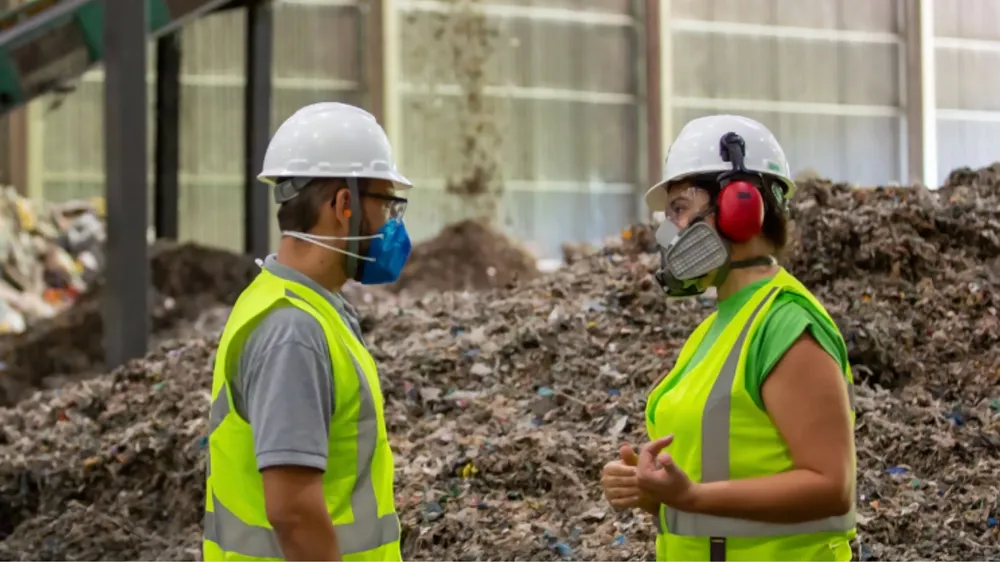
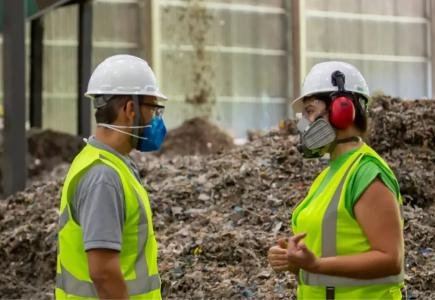
One project, led by Recoolit, will finance the safe disposal of HFCs from residential and commercial HVAC systems in Indonesia. The second, developed and operated by Orizon Valorização de Resíduos and supported by Cool Effect, aids the installation of methane destruction equipment at a landfill in Cuiabá, Brazil.
The move marks Google’s first credit purchase focused specifically on super-pollutants. In 2024, the company spent $100 million on carbon removal contracts covering 790,000 tons of CO2, primarily via biochar, direct air capture, enhanced weathering, and reforestation.
“Super-pollutants” such as methane and HFCs do not align easily with standard CO2-equivalent accounting methods, which typically assess warming impacts over a 100-year period. Methane’s warming potential is about 30 times that of CO2 over 100 years, but approximately 80 times over 20 years due to its shorter atmospheric lifespan.
“We’re focusing these two deals on eliminating super-pollutants because at the highest level, it is scientifically the right thing to do,” said Randy Spock, Google’s carbon credits and removals lead.