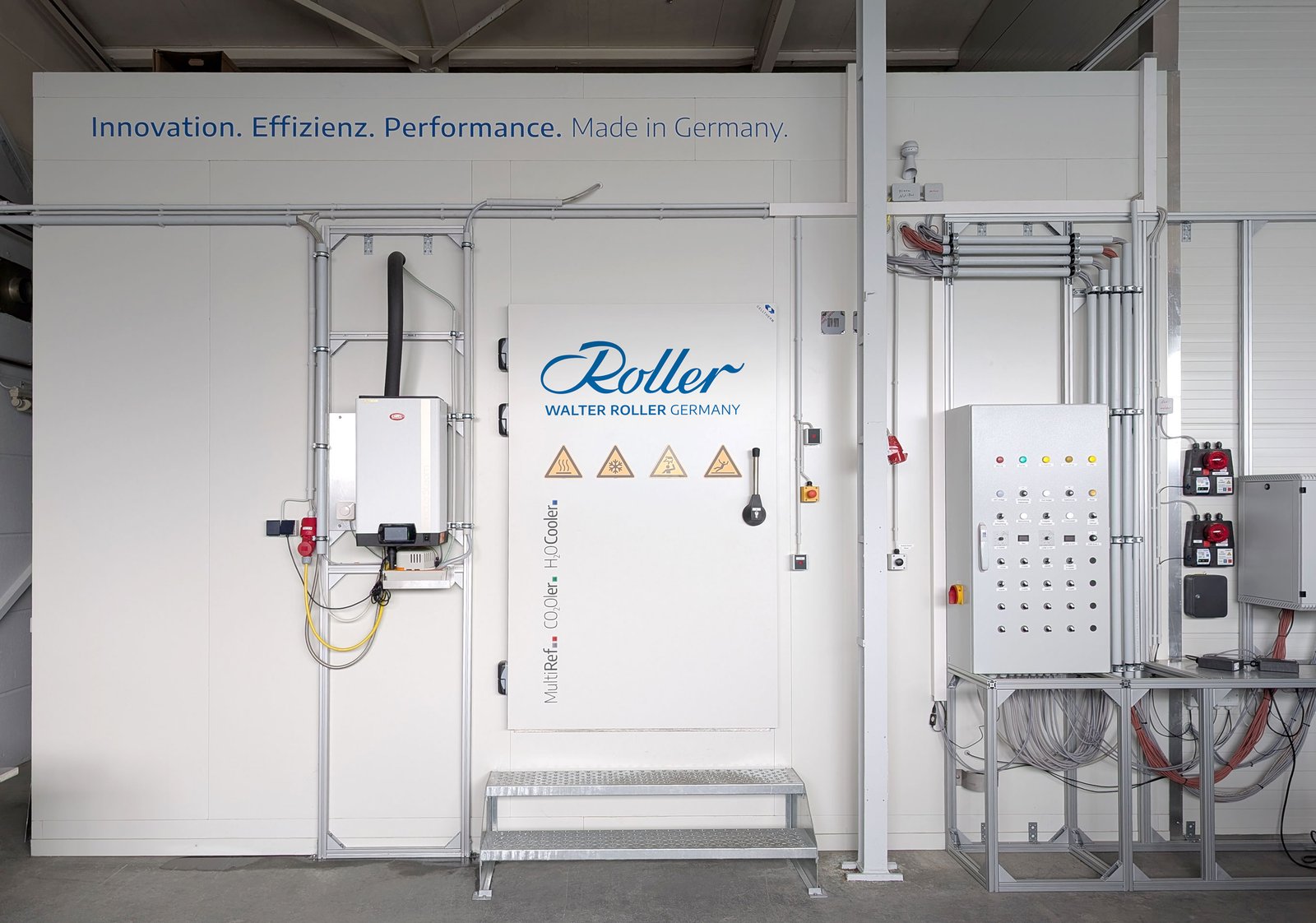
Walter Roller has invested in new testing technology to validate performance data for refrigeration and air conditioning equipment under controlled, practical conditions. The company said the investment is intended to support verifiable performance values and strengthen its position in performance validation.
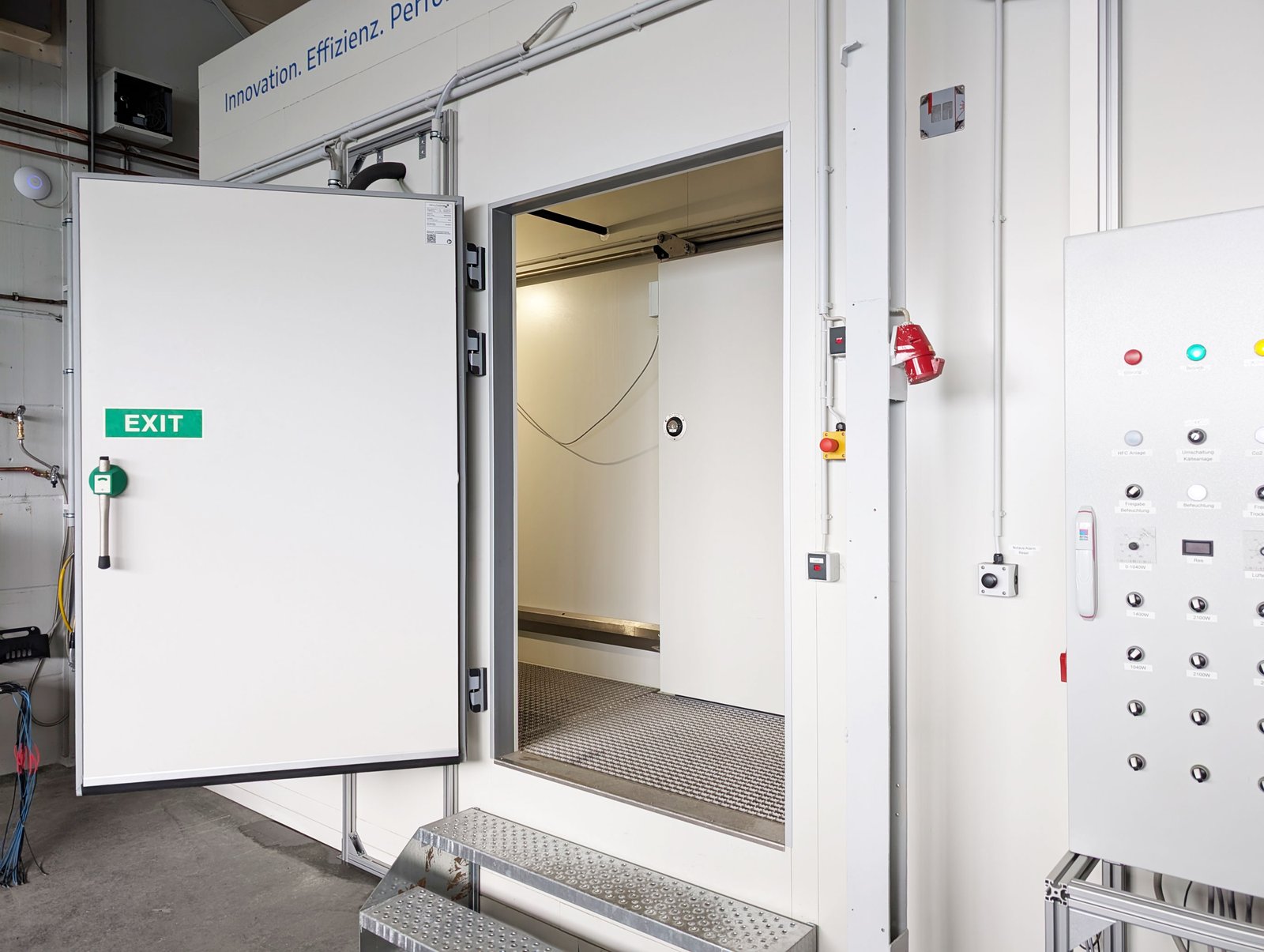
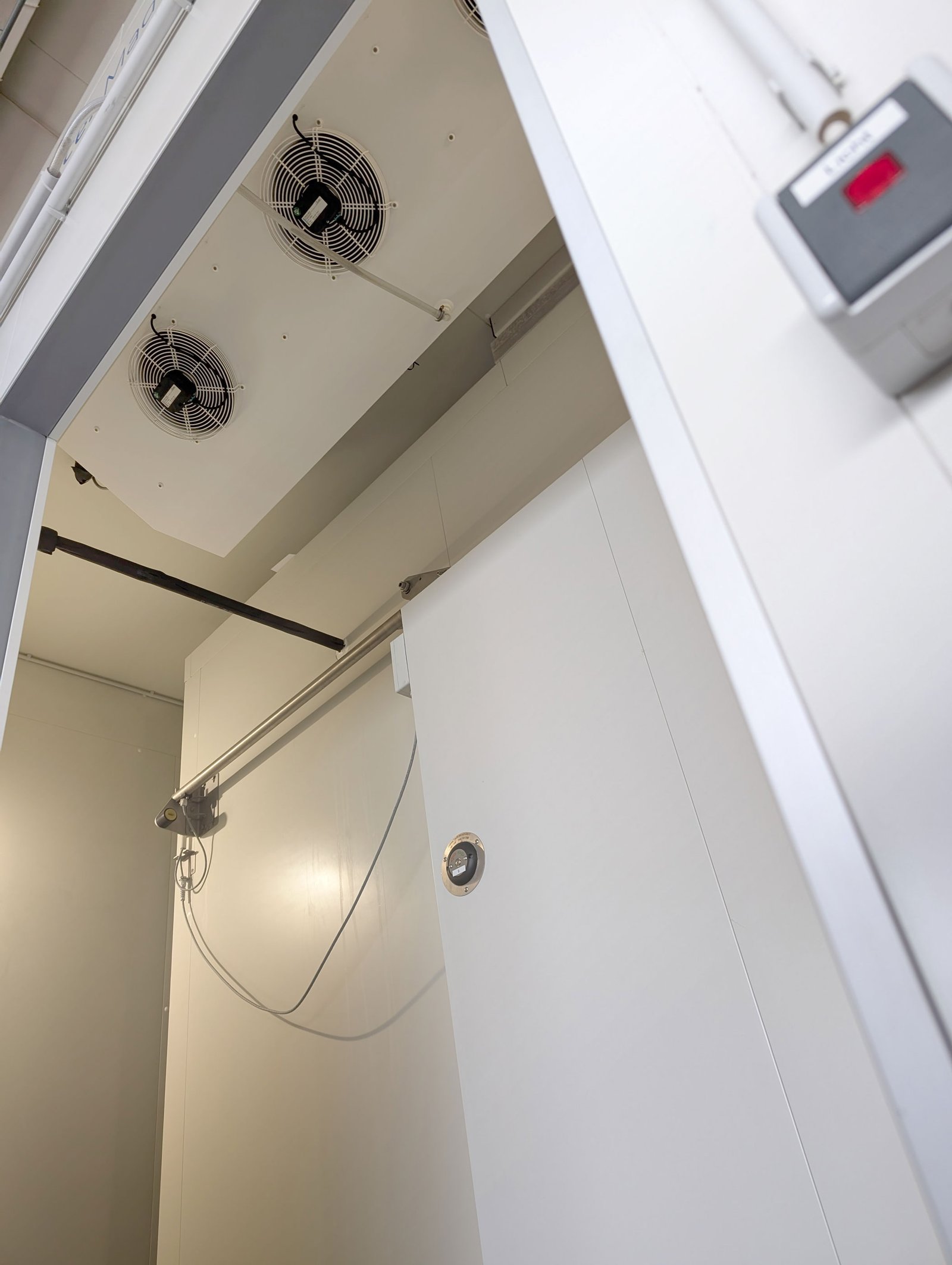
The core of the investment is a double-chamber test cell. An inner test cell is fully enclosed by an outer shell. When both chambers are brought to the same temperature, transmission-related interference factors can be excluded, supporting more precise measurement results.
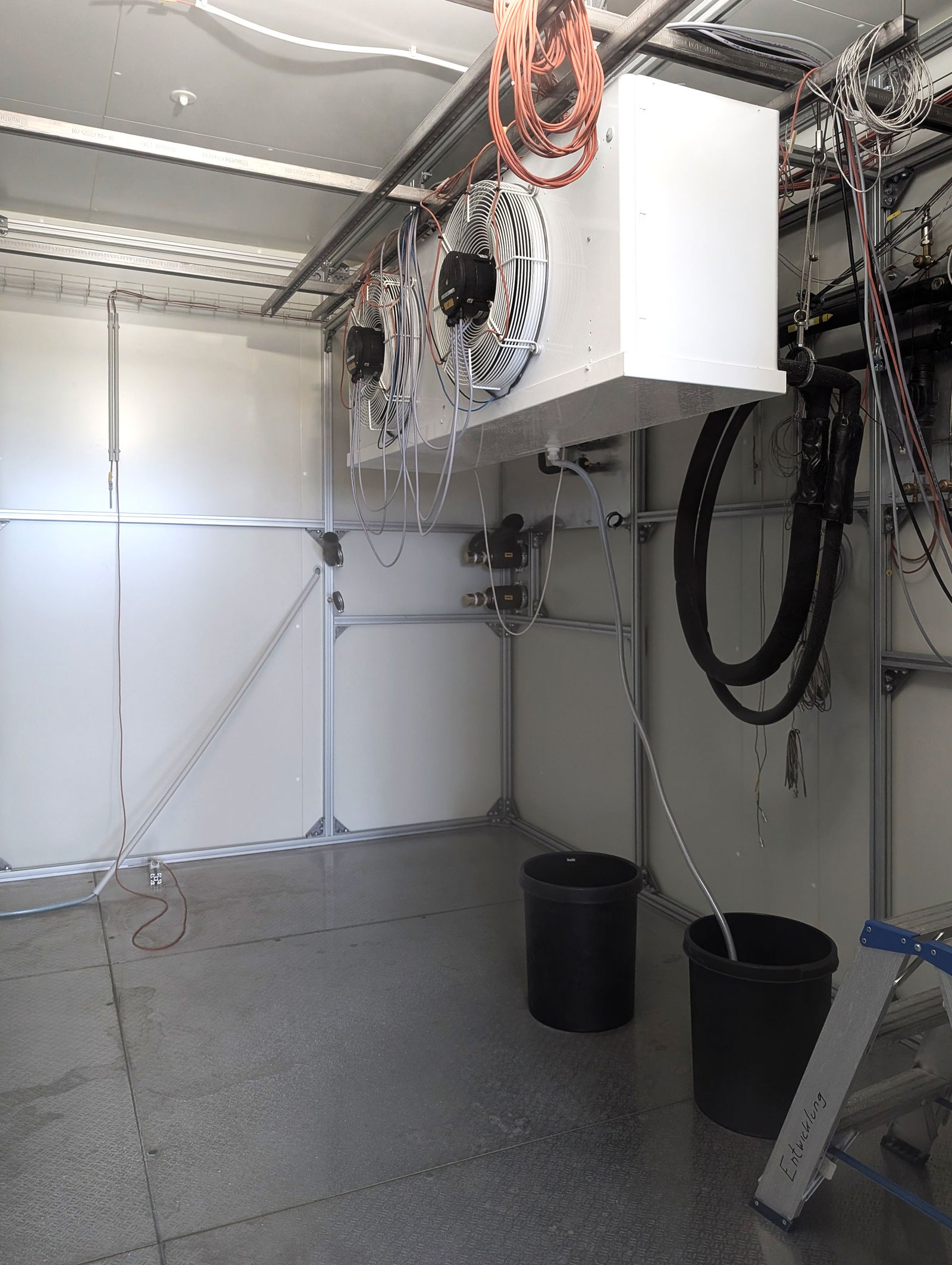
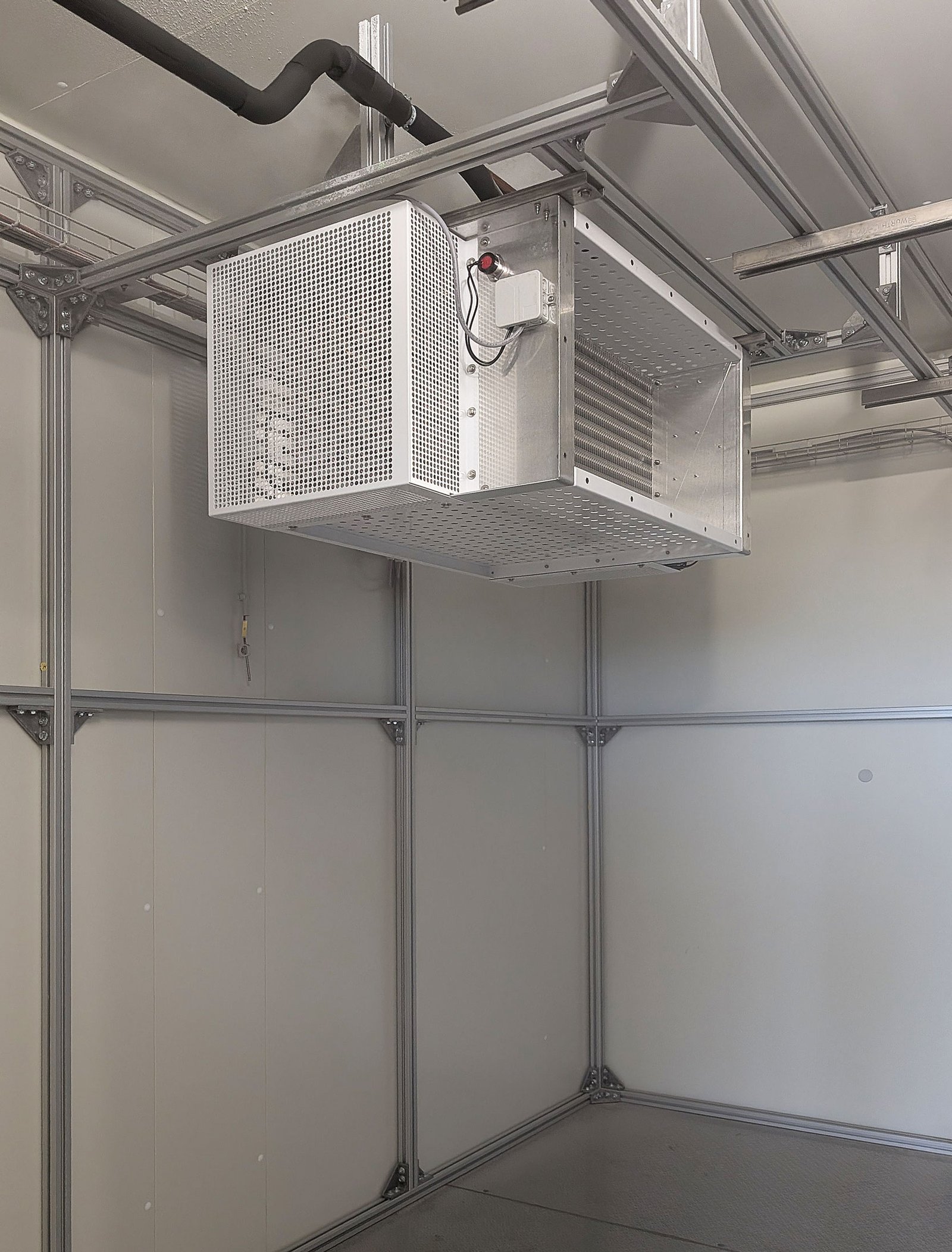
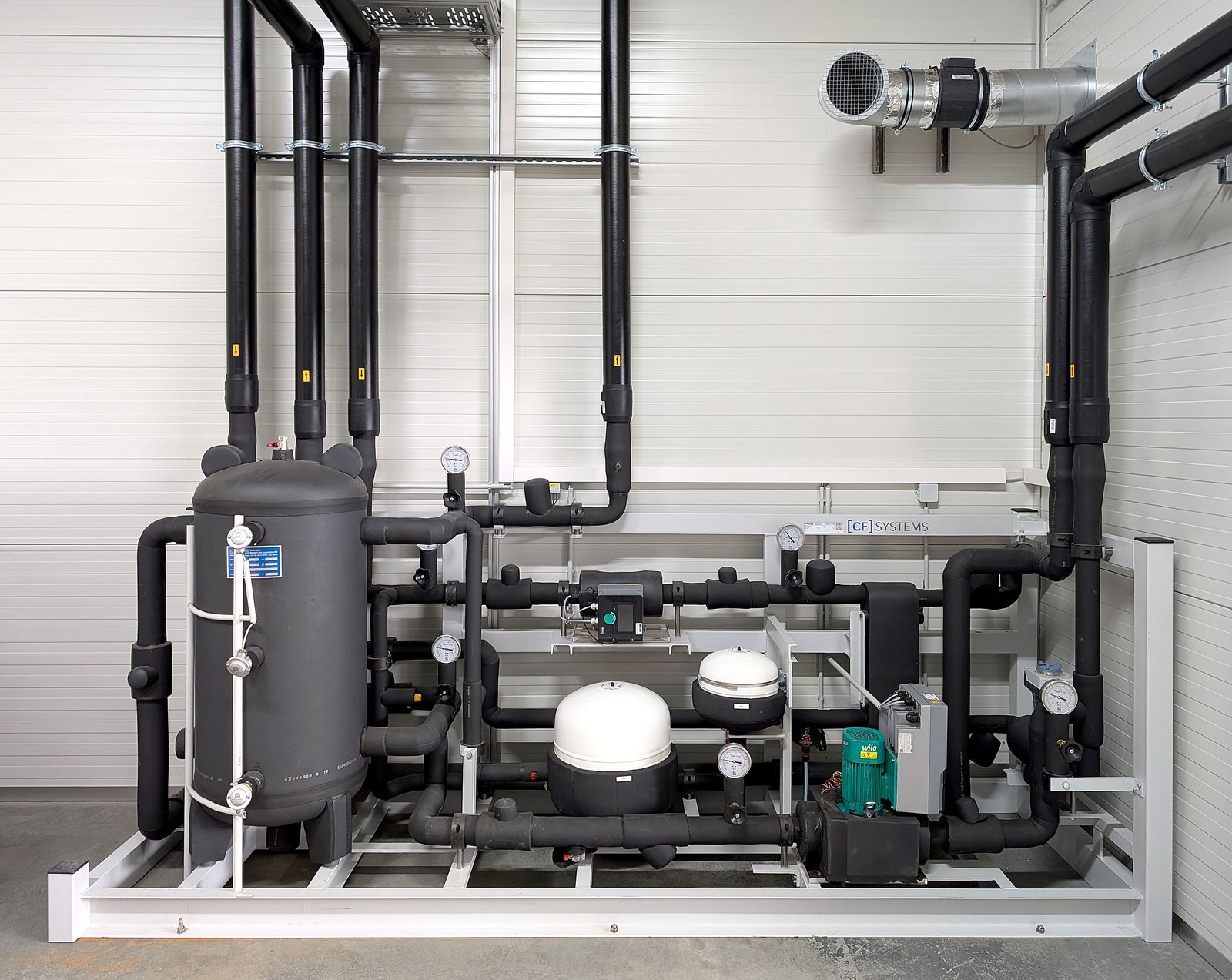
Inside the chamber, cooling can be carried out with an air cooler using CO2 direct evaporation or indirectly via a heat transfer medium such as water or brine. Electrical heating elements provide counter-heating. Once a stable steady state is reached, the supplied and removed heat can be determined by balancing. The refrigerant mass flow in the liquid line of the test unit is also measured with a Coriolis flow meter.
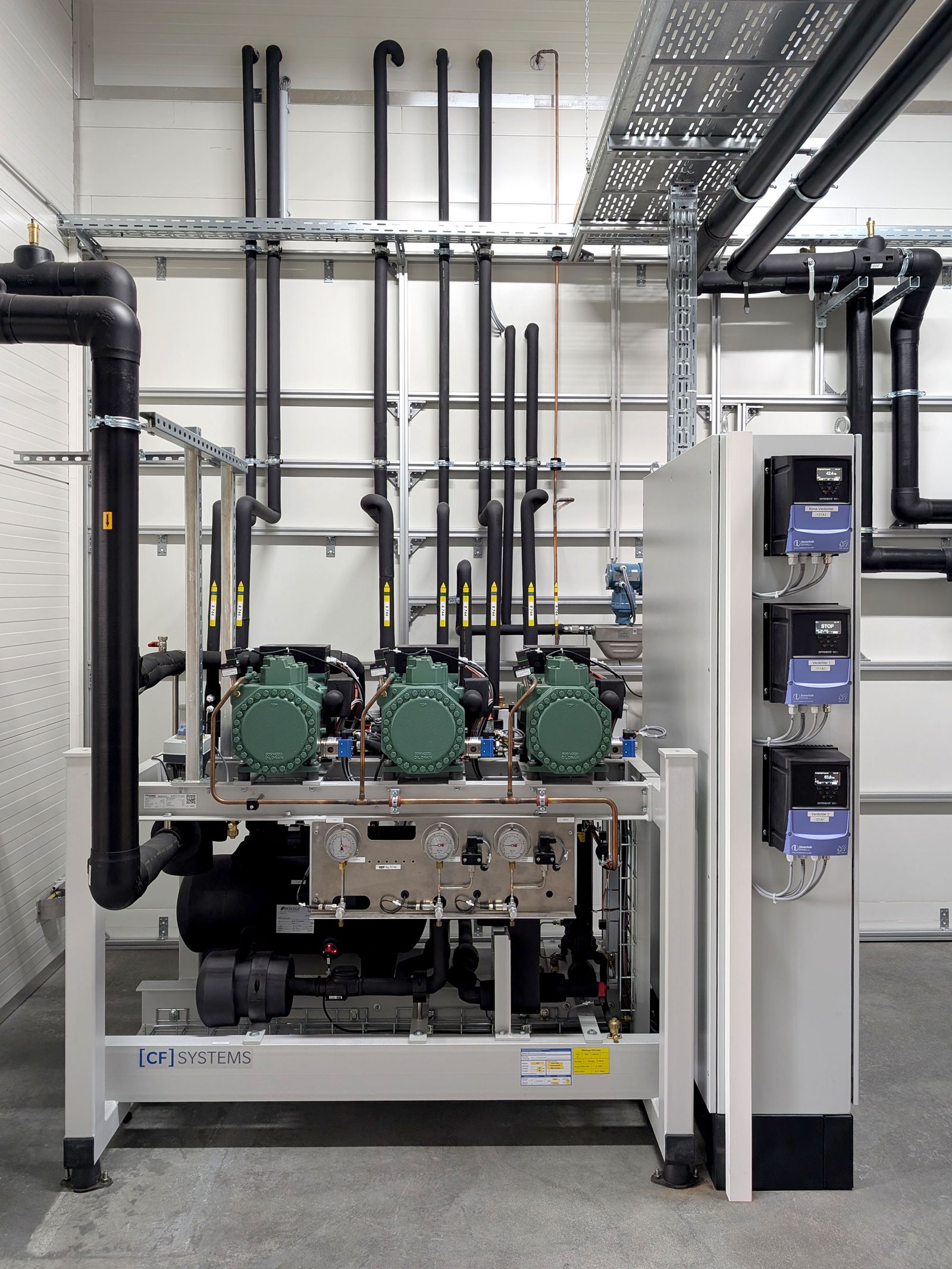
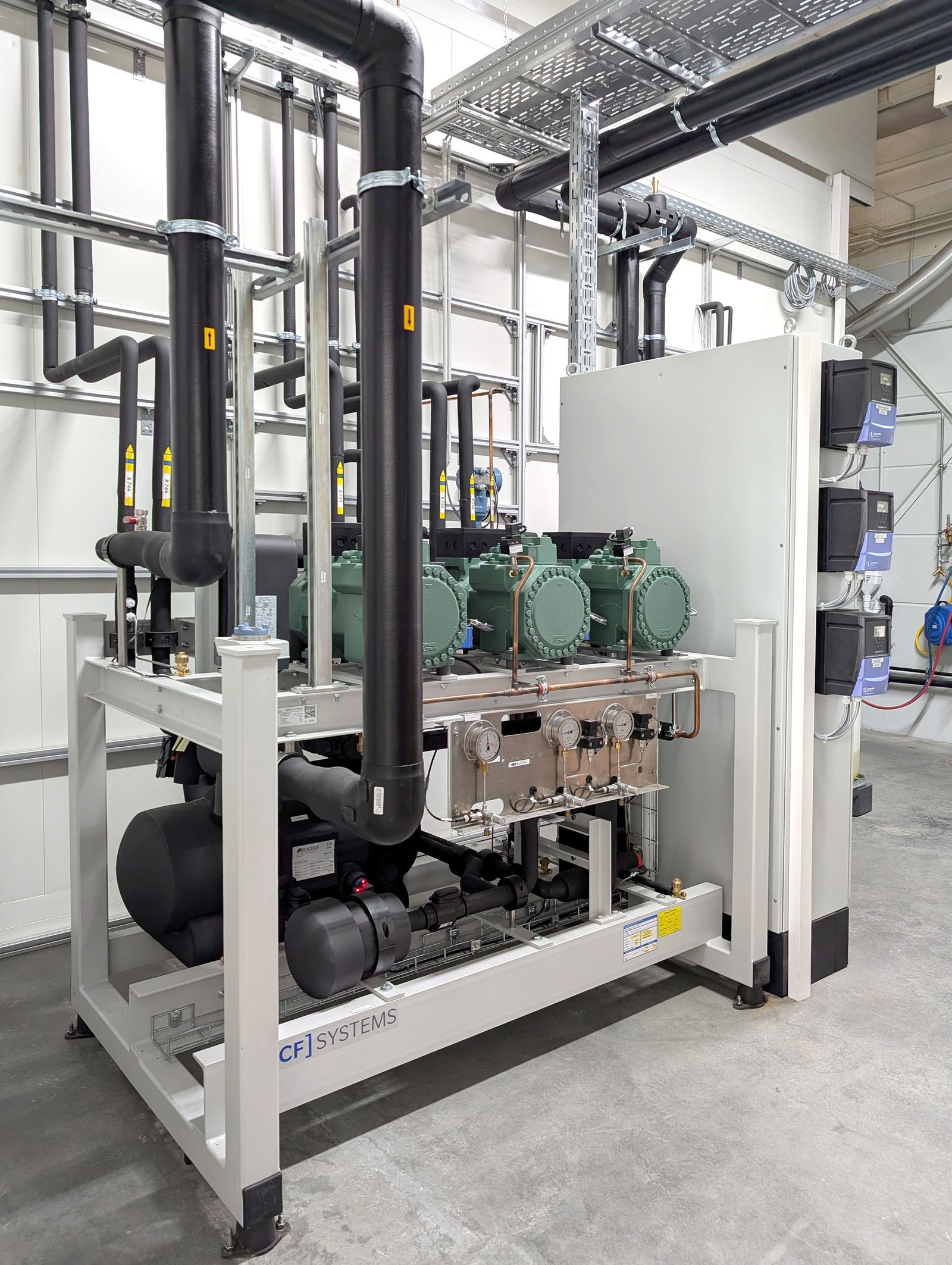
Cooling is supplied by a subcritical CO2 parallel system planned and built specifically for Walter Roller. The test setup is designed to meet key parameters required under DIN EN 328, the standard for performance measurement of fan-assisted air coolers. The test range covers cooling capacities from 3 to 15 kW and temperatures between -31 °C and 0 °C. Water and brine air coolers from the H2OCooler series can also be tested.
The test cell includes a steam generation system to simulate realistic and extreme climate scenarios, including different icing conditions on low-temperature evaporators. This allows defrost systems to be optimized under real load conditions. For flammable refrigerants, all surface temperatures must remain at least 100 K below the ignition temperature of the refrigerant or its components. Walter Roller said the defrost systems of the new MultiRef series are therefore being fundamentally redesigned.
The new test chamber also enables Walter Roller’s development team to coordinate defrost systems, fan units, valve installations and other components. According to the company, this supports reduced commissioning work for system builders and practical plug-and-play solutions that can shorten installation times on site.