Field-Testing Zero-Emission Technologies
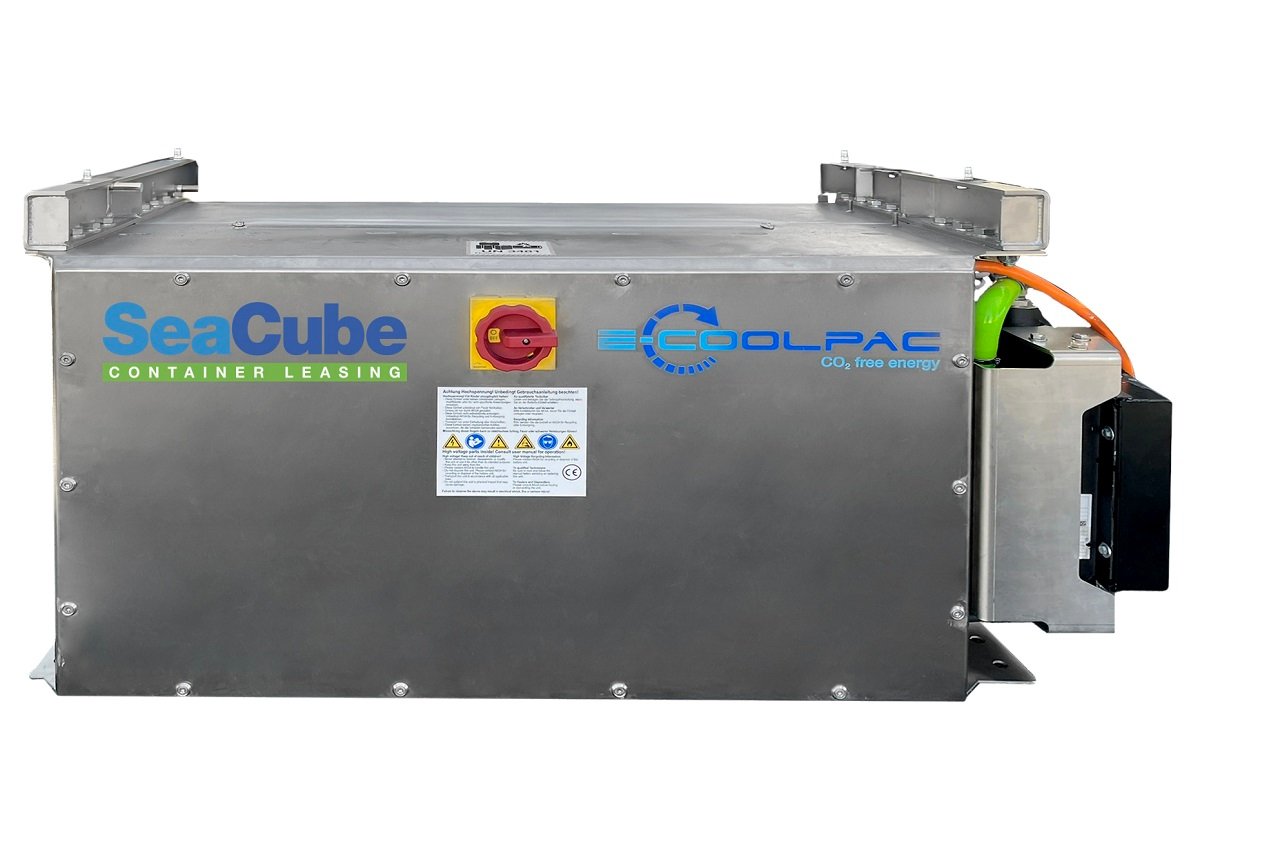
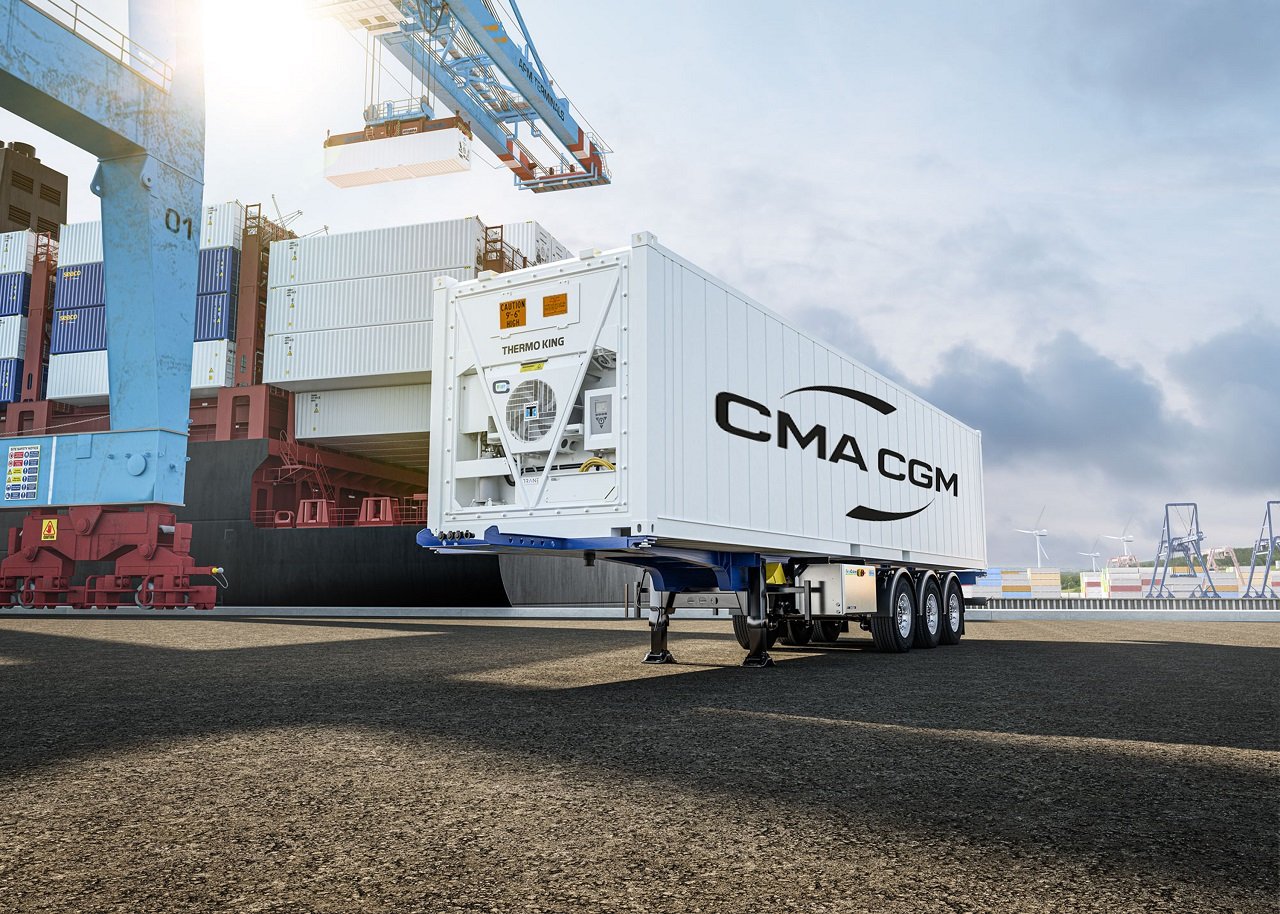
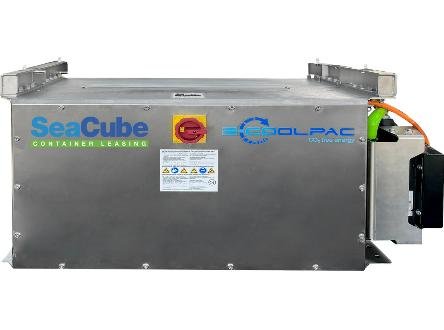
As part of its sustainability strategy, SeaCube is collaborating with Thermo King, a brand of Trane Technologies, and CMA CGM to trial Thermo King’s E-COOLPAC electric genset in the United States. This battery-powered refrigerated container genset offers a clean alternative to traditional diesel gensets, enabling electrified last-mile refrigerated transport (excluding truck power).
The E-COOLPAC system is adaptable to marine container chassis and supports power outputs ranging from 35kWh to 105kWh. Key features include:
- Zero direct emissions of CO2 and particulates during operation.
- Compatibility with renewable energy charging systems.
- Support for Thermo King marine refrigeration units and other ISO1496-2 reefer units.
“This e-genset is a game-changer for our operations,” said Fabien Gresy-Aveline, Vice President, Container Fleet, CMA CGM. “By transitioning away from diesel, we are taking a significant step toward more sustainable refrigerated transport.”
Gregory Tuthill, Chief Commercial Officer of SeaCube Containers, emphasized the company’s dedication to sustainable innovation, stating, “These initiatives not only help customers meet their rigorous sustainability targets but also significantly reduce the carbon footprint of refrigerated transport.”
Enhanced Efficiency and Reduced Emissions
Refrigerated containers (reefers) typically consume up to 20-30% of a vessel’s total power output despite accounting for only 10% of a ship’s container capacity. SeaCube’s Green Reefer Leases tackle this inefficiency with:
- Advanced controllers, telematics, and efficient compressors.
- Real-time analytics to optimize refrigeration operations based on ambient conditions, cargo, and trade routes.
- Up to 20% energy savings and emissions reductions.
SeaCube and Greensee’s pilot projects, including one with Pacific International Lines (PIL), aim to establish baseline metrics for decarbonization and identify opportunities for operational efficiency.
“Effective GHG reporting provides PIL with visibility on our emissions, supports regulatory compliance, and aligns with our net-zero GHG emissions goal by 2050,” said Lim Chee Wei, General Manager, Logistics Division, PIL.
Supporting Carbon Neutrality
SeaCube’s Net-Zero Reefer Leases offer customers the option to offset residual emissions through carbon credits. These credits fund environmental initiatives such as reforestation, helping customers align with sustainability goals.
Luc Terrel, founder and CEO of Greensee, highlighted the value of advanced analytics in refrigerated transport: “Our partnership with SeaCube empowers customers to monitor emissions, ensure compliance, and optimize operations in real time.”
A Greener Future for Cold Chain Logistics
“SeaCube and Greensee are setting the standard for sustainability in the cold chain industry,” added Tuthill. “Through solutions like energy analytics, electric gensets, and Net-Zero Reefer Leases, we provide practical pathways for emissions reduction and carbon neutrality.”
This partnership reflects a shared vision for a sustainable future in logistics, advancing the industry’s transition toward greener practices.