The U.S. Environmental Protection Agency (EPA) and Justice Department have reached a settlement with Taylor Farms New England, Inc. to resolve alleged violations of the Clean Air Act (CAA) and Emergency Planning and Community Right-to-Know Act (EPCRA) at the company’s food processing facility in North Kingstown, Rhode Island. The alleged violations pertain to chemical release prevention and reporting requirements under both statutes. The company will pay $650,000 in civil penalties and ensure that 19 other facilities in the corporate family are audited to assess whether their ammonia refrigeration systems are being safely designed and operated.
Taylor Farms uses anhydrous ammonia in the facility’s refrigeration system. Anhydrous ammonia has many economic and operational benefits as a refrigerant; however, its use requires great care due to the chemical’s toxicity and its flammability at certain vapor concentrations. Anhydrous ammonia can cause serious, often irreversible health effects when released. The chemical is considered an extremely hazardous substance.
Taylor Farm’s Rhode Island facility uses approximately 16,000 lbs. of anhydrous ammonia as a refrigerant, which subjects it to the CAA’s chemical accident prevention regulations (Risk Management Plan requirements), and to emergency planning and notification requirements under EPCRA. During an EPA inspection in 2019 to support local emergency responders and planners, EPA identified numerous concerns, including that the facility’s evaporators were not protected from potential forklift impacts – even though the company’s own hazard analysis had recommended protecting certain evaporators from impacts.
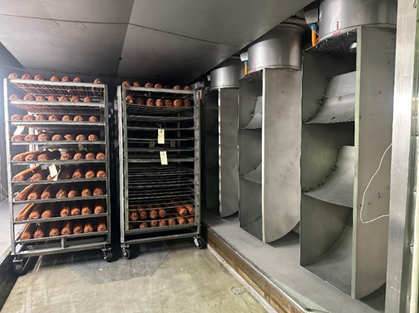
Subsequently, in April 2020 an ammonia release occurred when a forklift bumped into an evaporator located in a fruit storage room. The company had moved the evaporator to this location after conducting its initial process hazard analysis and had failed to identify the need to protect the evaporator prior to starting its operations. The incident resulted in hundreds of employees being evacuated, a road being shut down, food destroyed, and 14 employees requiring medical evaluation at a local hospital. EPA issued an administrative compliance order to the facility on June 11, 2020, to require the company to correct CAA and EPCRA violations and EPA subsequently referred the case to the Department of Justice. EPA also coordinated with the Occupational Health and Safety Administration, which issued its own citations.
Some of the key violations alleged in the complaint include failure to identify hazards, including from changes made to the facility; failure to timely follow through on recommendations made in the company’s process hazard analysis; failure to document compliance with recognized and generally accepted good engineering practices; and failure to adequately coordinate with local emergency response and planning organizations.
Under the terms of the proposed settlement, Taylor Farms will pay $650,000 in penalties, implement specific safety improvements at the North Kingstown, R.I. facility, evaluate whether the facility’s existing safety measures are adequate given employee language barriers, evaluate whether the facility’s location in a storm surge evacuation zone and in an area subject to hurricane-force winds poses risks that should be assessed, and conduct safety audits of the ammonia refrigeration systems at 19 other facilities in the corporate family nationwide. Taylor Farms completed most of the compliance work needed at the Rhode Island facility after EPA issued its compliance order in 2020.