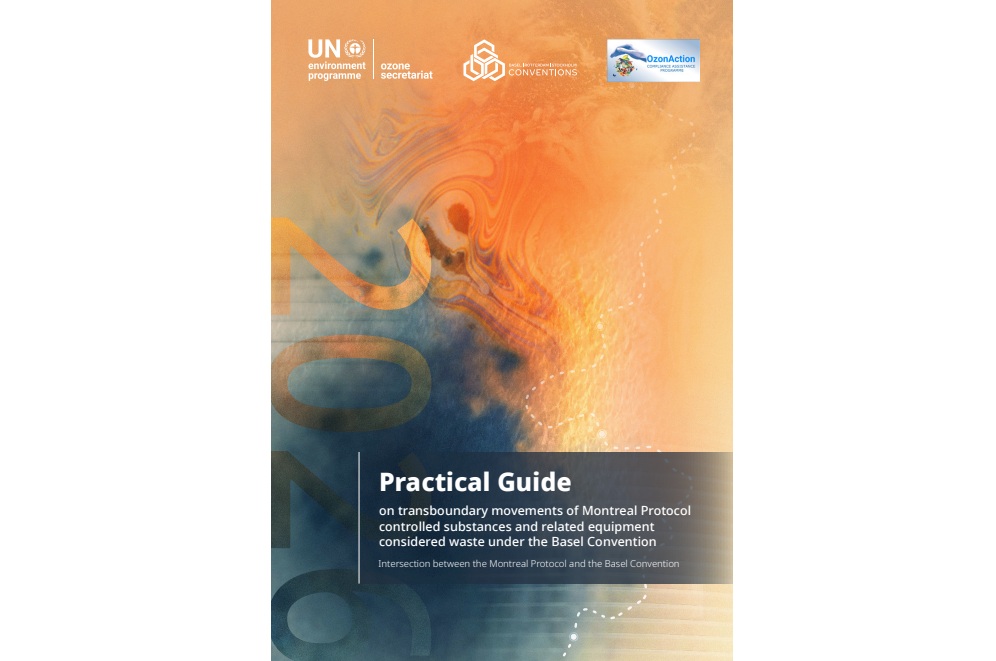
The United Nations Environment Programme (UNEP) has issued a practical guide on the transboundary movement of substances controlled under the Montreal Protocol and related equipment classified as waste under the Basel Convention. The document addresses end-of-life refrigerant management, particularly in countries lacking domestic capacity for environmentally sound waste management.
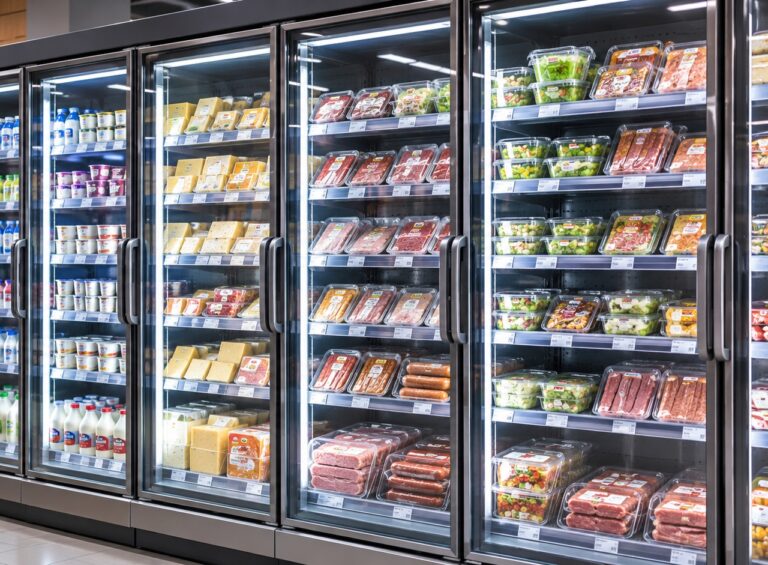
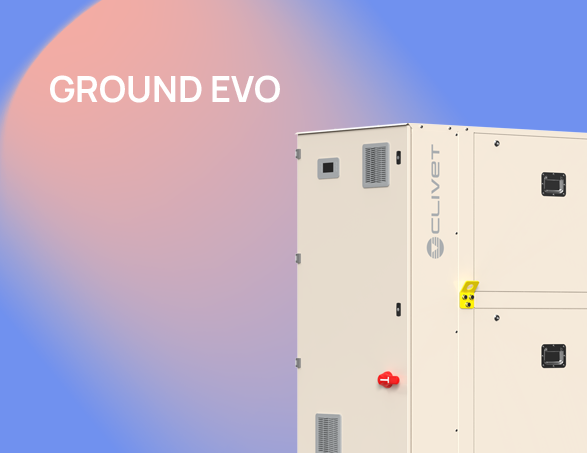
The guide covers used and unwanted ozone-depleting substances (ODSs) and hydrofluorocarbons (HFCs), as well as equipment containing controlled substances. Relevant equipment includes domestic and commercial refrigerators, freezers, air conditioning units, heat pumps, chillers used as water coolers, ice machines and vehicle air conditioning systems.
A six-step flowchart helps authorities determine whether substances and equipment qualify as waste, assess their classification as hazardous or other waste, and identify applicable international and national trade restrictions. The document also addresses refrigerant recycling, reclamation and disposal under the Basel Convention.
The guide reflects the Basel Convention’s electronic waste amendments, which entered into force on January 1, 2025. For parties bound by these amendments, all electronic waste is subject to transboundary movement requirements, regardless of whether it is classified as hazardous or non-hazardous.
The document explains the mandatory Prior Informed Consent (PIC) procedure, comprising four stages: notification, consent and issuance of movement documentation, transboundary movement, and confirmation of disposal, recovery, recycling or reclamation. It also outlines requirements for environmentally sound waste management.
Separately, the Partnership for Action on Challenges relating to E-waste (PACE II) is developing guidance on the environmentally sound repair and refurbishment of used and waste refrigeration, cooling and heating equipment, as well as the management of such equipment classified as waste.