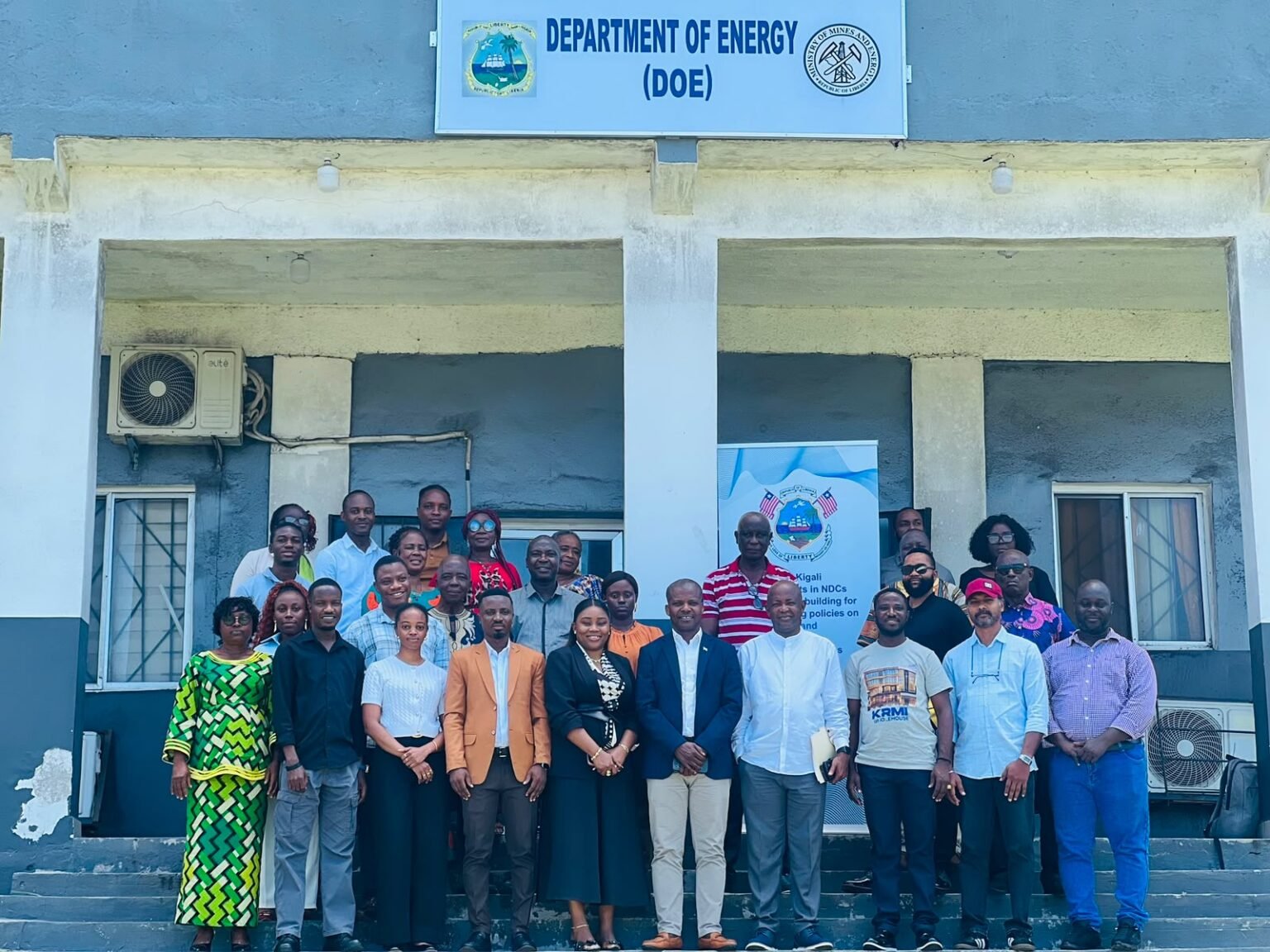
The Government of Liberia, in partnership with UNEP’s United for Efficiency (U4E) initiative and the Climate and Clean Air Coalition (CCAC), launched a project on 29 September to improve the energy efficiency of domestic refrigerators and room air conditioners and promote climate-friendly refrigerants. The initiative will support the development of cooling appliance regulations and the integration of Kigali Amendment commitments into Liberia’s Nationally Determined Contributions (NDCs).
The project, implemented in cooperation with Liberia’s Ministry of Mines and Energy and Environmental Protection Agency, will strengthen national technical capacity and coordination between government institutions, businesses and other stakeholders. It forms part of U4E’s regional activities in West Africa, including ongoing support in Côte d’Ivoire, Ghana and Nigeria and previous work in Senegal and The Gambia.
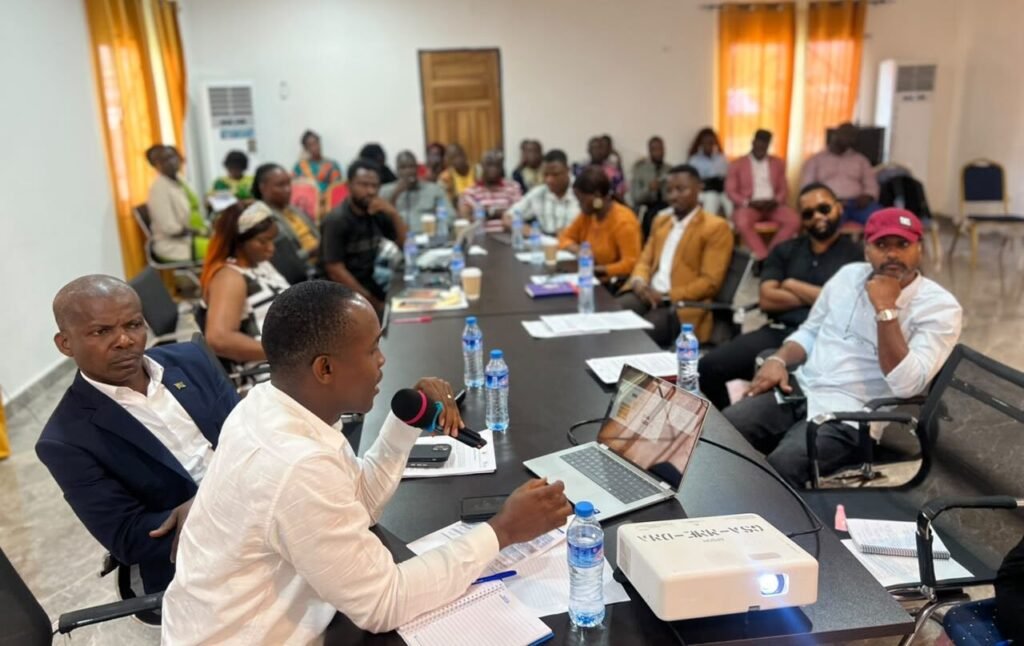
The launch meeting gathered more than 20 representatives from public institutions, equipment importers, distributors and refrigeration industry organizations. Government officials identified several challenges facing Liberia’s cooling sector, including limited electricity grid coverage, ageing infrastructure, high appliance and electricity costs, insufficient enforcement of standards and energy labelling requirements, and limited technical capacity for testing and compliance.
As an initial step, U4E and national partners will conduct a market assessment covering domestic refrigerators and room air conditioners. The study will examine available products and existing regulations to inform potential Minimum Energy Performance Standards (MEPS), energy labelling requirements and measures encouraging the adoption of lower-global-warming-potential (GWP) refrigerants. The findings will also establish a baseline for evaluating future policy impacts.
A Policy Working Group will be established to coordinate stakeholder consultations and technical input throughout implementation. The project aims to strengthen Liberia’s cooling appliance regulatory framework, reduce energy consumption and emissions, and improve access to energy-efficient cooling technologies.