UNEP OzonAction and the World Customs Organization have highlighted the role of customs and environmental authorities in turning climate commitments into enforcement results under the Montreal Protocol and its Kigali Amendment.
The article, prepared for World Environment Day 2026 and the #NowForClimate call to action, says climate impacts are already affecting regions including Western Europe, Pacific and Caribbean island states, South Asia and East Africa. It also notes that rising temperatures are increasing demand for cooling, making sustainable cooling both an energy and enforcement challenge.
The Montreal Protocol has reduced production and consumption of ozone-depleting substances and supported technology transfer. With the Kigali Amendment adopted in 2016, the Protocol also covers hydrofluorocarbons, or HFCs, which can have global warming potential up to 14,800 times higher than CO2. HFC phase-down measures could help avoid up to 0.5°C of global warming by the end of this century.
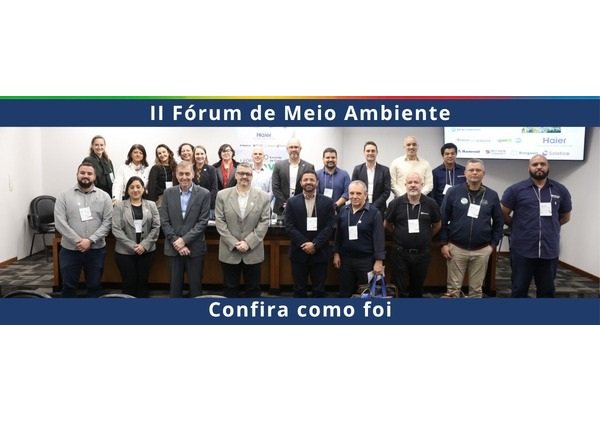
Around 200 in-person and online participants from customs administrations, environmental authorities, international organizations and law enforcement agencies met at the World Customs Organization to discuss illegal trade, environmental crime and global environmental governance. The article says illegal trade in ozone-depleting substances, HFCs, wildlife, timber and other sensitive commodities can undermine regulation, distort legitimate trade and reduce public resources for sustainable development.
Under the Montreal Protocol, customs officers work with National Ozone Units and quota and licensing authorities to support licensing and quota systems, identify suspicious shipments and prevent illegal movement of controlled refrigerants and equipment. Enforcement is becoming more complex as controlled substances and blends increase, shipments may be misdeclared, documents falsified, and authorities monitor end-of-life refrigerants, alternative refrigerants and equipment containing or relying on restricted substances.
As developing countries approach 2030 HCFC phase-out targets and implement the HFC phase-down schedule, UNEP OzonAction and WCO say stronger enforcement capacity is essential. The article states that cooperation across borders and institutions can help ensure environmental commitments lead to tangible results.