Esta página solo está disponible en inglés. Ir a la portada en español

×

Questa pagina è disponibile solo in inglese. Home page in italiano

×

Diese Seite ist nur auf Englisch verfügbar. Zur deutschen Startseite

×

Cette page est disponible uniquement en anglais. Aller à la page d'accueil en français

×

NewCold expands Australian cold-storage capacity with $200m freezer

Its 40-metre automated high-bay design uses around 50% less power than a conventional cold store and limits manual handling.

NewCold expands Australian cold-storage capacity with $200m freezer

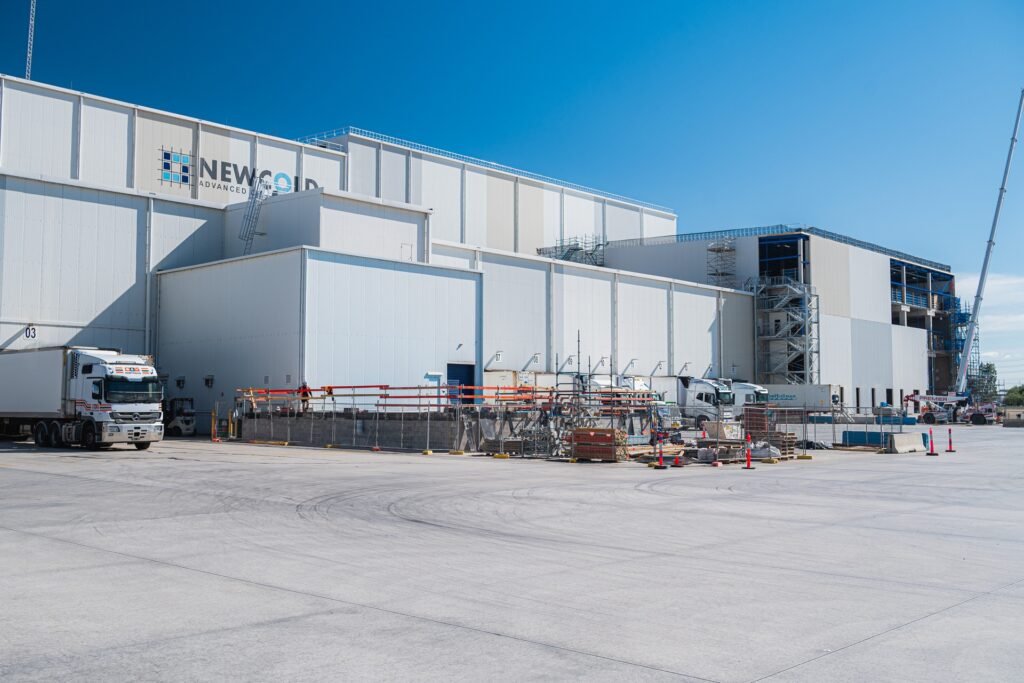
NewCold will officially open a $200 million freezer expansion in Australia on 16 September, adding 80,000 pallet positions to its automated cold-storage operations. The expansion takes the facility to 180,000 pallet positions, while NewCold’s two Truganina facilities now provide a combined 405,000 pallet positions across frozen, chilled and ambient storage.

The new freezer is 40 metres (131 ft) high, covers 10,453 square metres (112,515 sq ft) and operates at minus 23 degrees Celsius (minus 9.4 degrees Fahrenheit). The automated high-bay facility stores food for manufacturers including McCain, Peters and Patties.

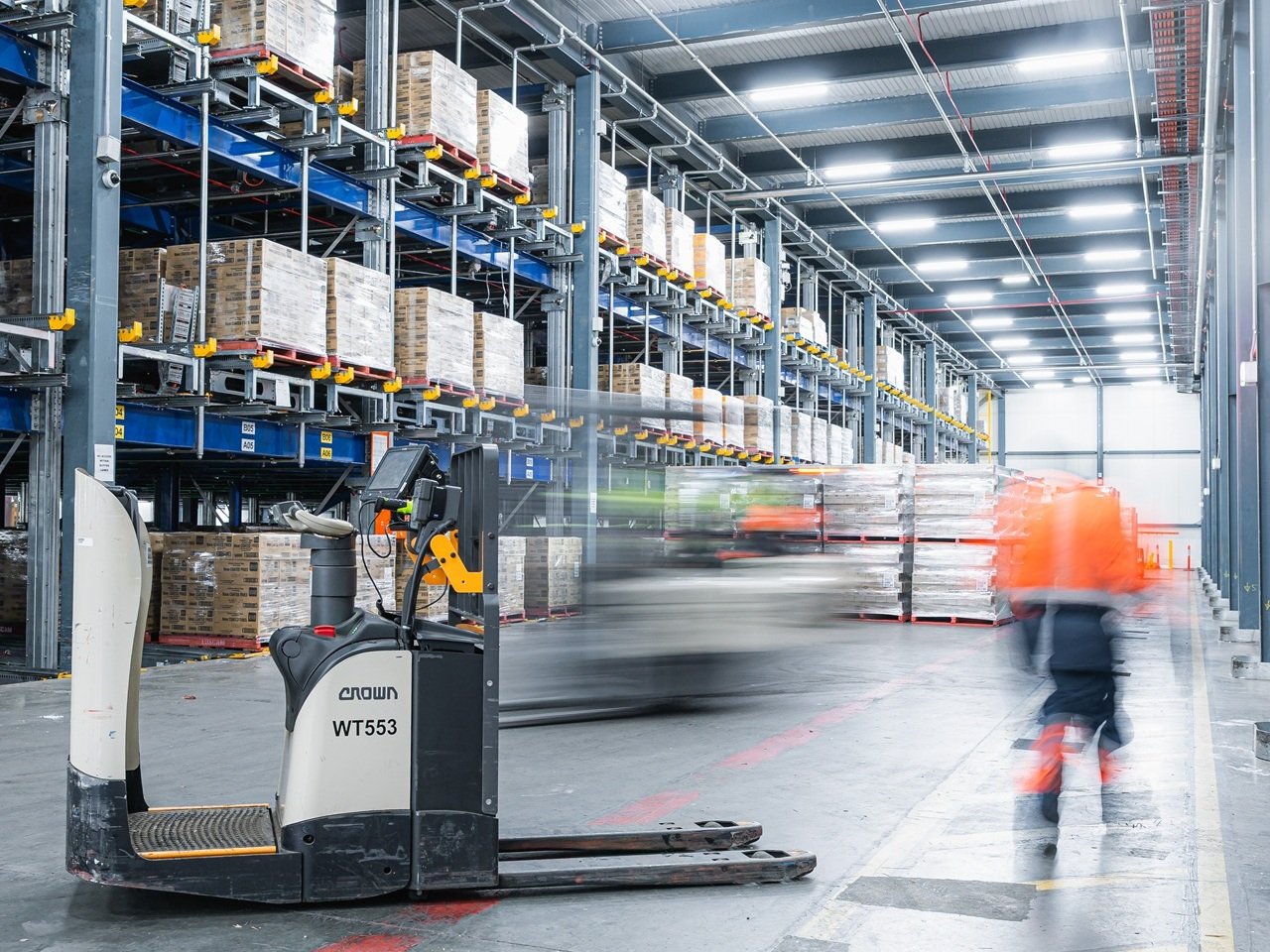
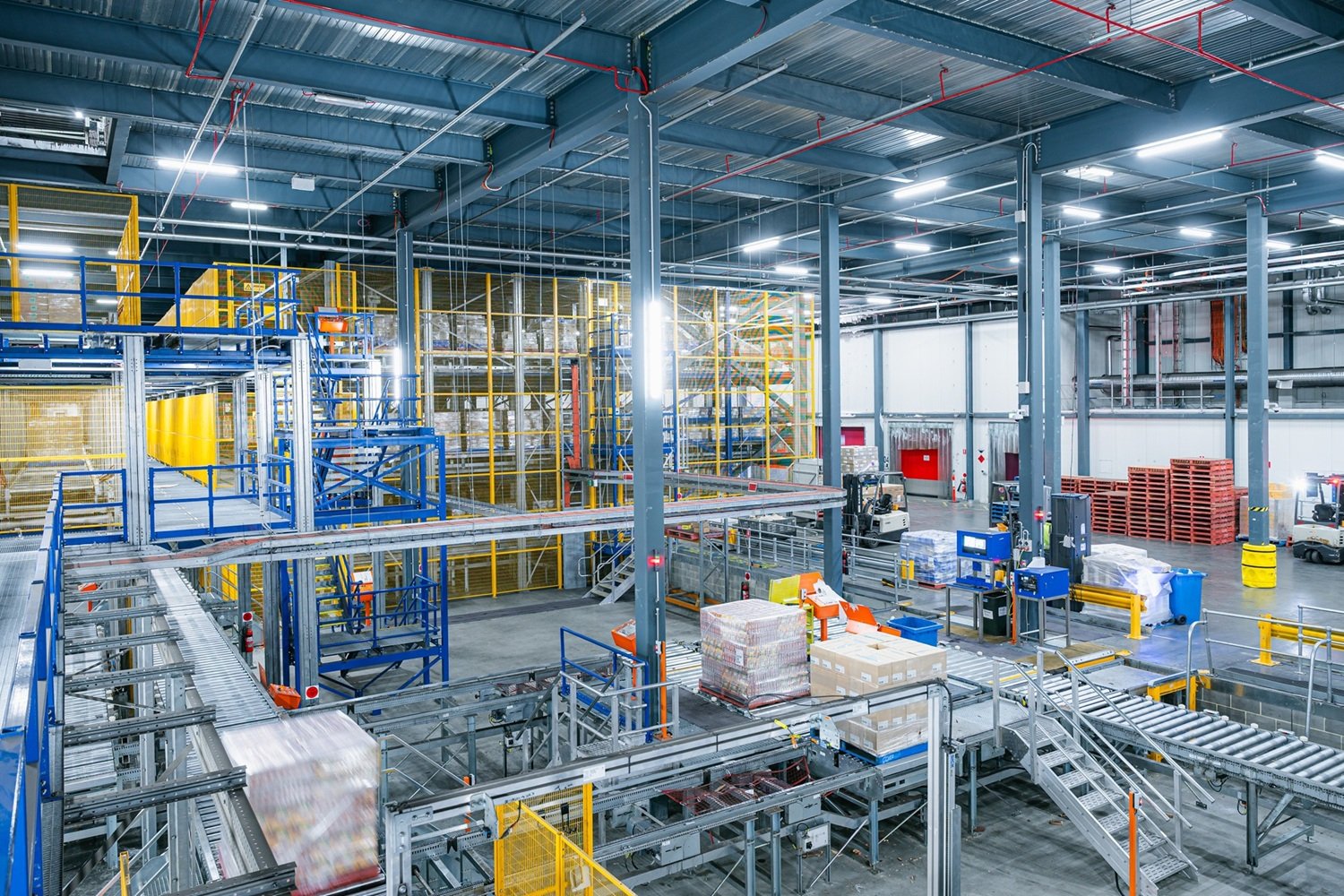
Every incoming pallet undergoes automated checks before being scanned, assigned a destination and moved through the high-bay using automated stacker cranes, shuttles and conveyors. Overnight, order data and predictive analytics are used to reposition pallets for retrieval through 21 loading docks. The system rejects pallets that are too heavy, too tall or overhanging.

McCain representative Ross Fallon said the automation and factory connectivity provide “highly accurate stock control, consistent temperature management and less manual handling of our products.” Peters Ice Cream CEO Emma-Jane Collins said the additional capacity gives the company “greater ability to support growing demand.”

NewCold says the 40-metre-high design stores pallets vertically, concentrating more product within a smaller refrigerated footprint. “Cold storage is incredibly energy intensive. By going higher and storing more product within a smaller refrigerated footprint, we can use around 50% less energy/power than a conventional cold store.”

“People often think automation is just about speed but it’s also about protecting the product. Once a pallet enters the high-bay, the system does almost everything itself, there’s very little human intervention,” said NewCold founder and CEO Bram Hage. NewCold currently commissions five to seven new frozen warehouses annually and plans to be carbon neutral by 2040.
Get the daily refrigeration briefing

One email a day. Trusted by 3,000+ RACHP professionals.

Related news

Most read this month

All news →

Related insights

Secop's Solar Direct Drive (SDD) System Earns WHO PQS Approval – The Team Behind It
Article

Secop’s Solar Direct Drive (SDD) System Earns WHO PQS Approval – The Team Behind It

Partner's material In March 2026, Secop’s Solar Direct Drive Power Management Module was granted WHO PQS prequalification and officially listed in the WHO Catalogue of Prequalified Immunization Devices. The WHO IMD-PQS (Immunization Devices Performance, Quality and Safety programme) is the global benchmark for cold chain equipment used in immunisation. Being listed in its catalogue is

22 Jun 2026
Case Study - Effect of Louvers or diffusers on air flow distribution and cooling time on a meat log during Chill cycle
Tech Guide

Case Study – Effect of Louvers or diffusers on air flow distribution and cooling time on a meat log during Chill cycle

By Kushal Aurangabadkar An experimental analysis was conducted on a cooler space measuring 3.66 m × 6.096 m (12.0 ft × 20.0 ft), equipped with an ammonia refrigeration coil, five 30 cm (12 in.) fans, and five diffusers. The study measured airflow patterns, cooling rates, and heat transfer efficiency in meat storage by testing two configurations:

Kushal Aurangabadkar · 21 Jan 2026
Total Cost of Ownership (TCO) for Modular Refrigeration Systems in Life Sciences Distribution Centers
Tech Guide

Total Cost of Ownership (TCO) for Modular Refrigeration Systems in Life Sciences Distribution Centers

by Ramez Naguib, P.E. Introduction Life sciences distribution centers are under immense pressure to deliver consistent temperature control, comply with increasingly stringent regulations, and optimize operational efficiency. Traditional built-up refrigeration systems often prove cumbersome, costly, and slow to implement. In contrast, modular, factory-assembled refrigeration systems have emerged as a compelling alternative. Drawing on lessons from

14 Jan 2026