Carrier Global announced its acquisition of 75F, adding cloud-native, wireless and AI-enabled building automation technology to its intelligent buildings portfolio. The transaction expands Carrier’s capabilities across complex applied systems, data centers, light-commercial buildings and retrofit projects, with a focus on connecting equipment, controls, analytics and building data through a unified platform.
The 75F platform combines wireless sensors, building controls, cloud software and AI-enabled automation. Its architecture is designed to reduce installation time, simplify commissioning and manage energy efficiency and indoor air quality. Auto-commissioning functions support deployment without the configuration processes associated with traditional building automation installations.
Carrier will combine 75F’s unified data layer and AI capabilities with its existing WebCTRL building controls installed base, Abound predictive analytics capability and Nlyte operational intelligence platform. The resulting offering will cover building equipment, controls and analytics within one digital environment, allowing operational data from different systems to be connected and managed through a common platform.
Building operators will be able to use the combined technologies to identify maintenance requirements, manage energy consumption and monitor assets. The acquisition also extends Carrier’s automation offering across buildings with different levels of system complexity, ranging from large commercial installations to smaller sites and retrofit applications where wireless controls can reduce installation requirements.
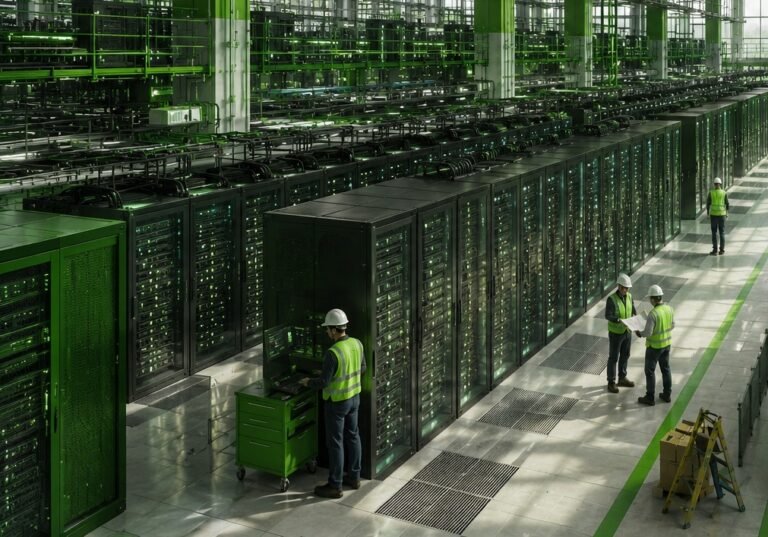
Carrier intends to integrate 75F’s generative AI, agentic AI and auto-commissioning capabilities into its large commercial platforms. This work will include the Carrier QuantumLeap thermal management suite, which serves data center applications. The integration is intended to improve deployment and real-time thermal performance by connecting cooling equipment, controls and operational intelligence within the same system architecture.