A new report from the Environmental Investigation Agency (EIA) calls attention to the hidden environmental and health impacts of hydrofluoroolefins (HFOs), the latest generation of fluorinated gases used primarily as refrigerants. While promoted for their low global warming potential (GWP), the report outlines significant indirect climate and ozone risks, as well as concerns over persistent pollution.
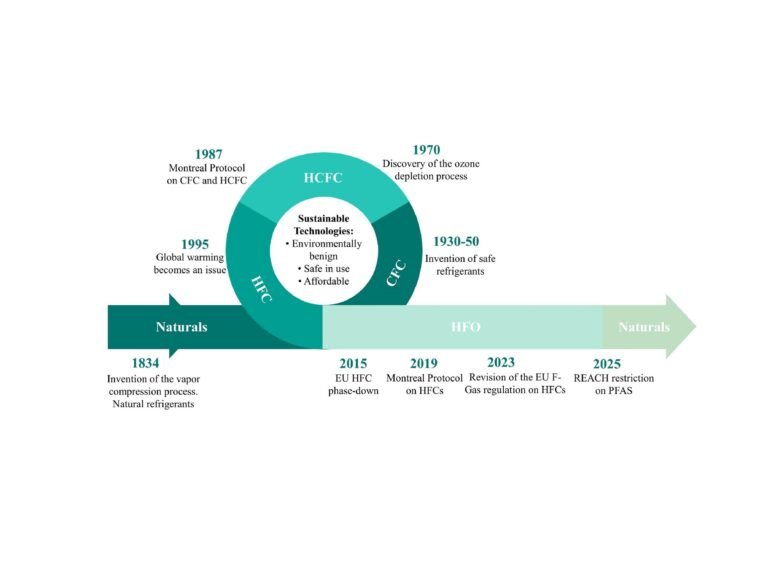
According to the report, HFOs are often marketed as sustainable alternatives to hydrofluorocarbons (HFCs), yet their production and atmospheric breakdown result in emissions of high-GWP and ozone-depleting substances. The formation of trifluoroacetic acid (TFA), an ultra-short-chain PFAS, is one consequence of this breakdown. TFA is highly persistent and is already accumulating in water sources and ecosystems, with potential long-term effects still under debate.
Production of HFOs frequently relies on ozone-depleting substances such as carbon tetrachloride (CTC) and HCFCs as feedstocks, with byproducts including HFC-23 and PFC-318, both extremely potent greenhouse gases. These emissions are not reflected in the published GWP values for HFOs, highlighting the need for comprehensive lifecycle assessments. The EIA notes that such upstream emissions are often underreported.
The report also outlines governance issues. HFOs are typically patented products of large chemical corporations and can be more expensive and harder to source than HFCs, particularly in developing countries. Their use in refrigerant blends prolongs the use of HFCs and complicates enforcement against illegal trade. Reports of counterfeit HFCs mislabeled as HFOs are increasing, particularly in Europe.
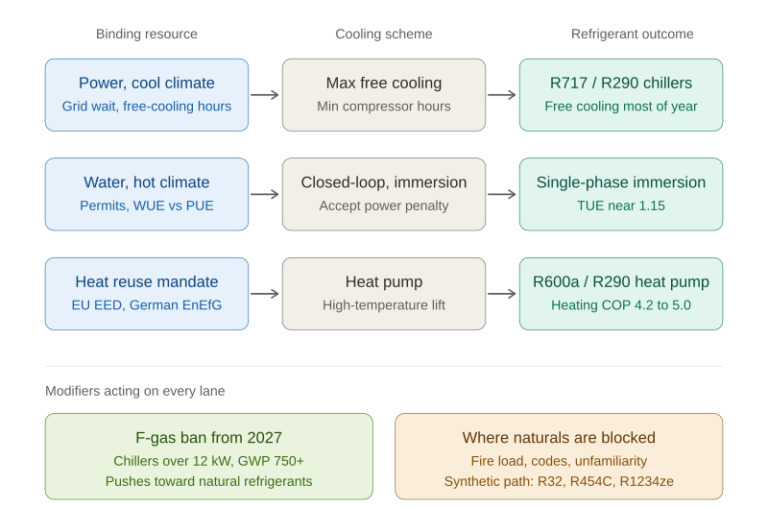
The EIA urges governments and Montreal Protocol parties to apply the precautionary principle, calling for policies that prioritize non-fluorinated alternatives such as ammonia, CO2, hydrocarbons, and other natural refrigerants. These alternatives are already commercially viable for many applications and do not pose the same environmental risks.
“Despite claims that HFOs are environmentally friendly products, they contribute to persistent chemical pollution and come with both climate and ozone risks,” the report concludes. The EIA recommends that the Montreal Protocol’s Multilateral Fund prioritize funding for transitions to non-fluorinated technologies and that governments adopt class-based PFAS regulation including TFA precursors.