Esta página solo está disponible en inglés. Ir a la portada en español

×

Questa pagina è disponibile solo in inglese. Home page in italiano

×

Diese Seite ist nur auf Englisch verfügbar. Zur deutschen Startseite

×

Cette page est disponible uniquement en anglais. Aller à la page d'accueil en français

×

SeaCube Acquires 200 Carrier Pods Monitored by Sensitech to Help Meet Global Vaccine Distribution Needs
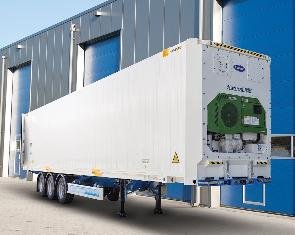
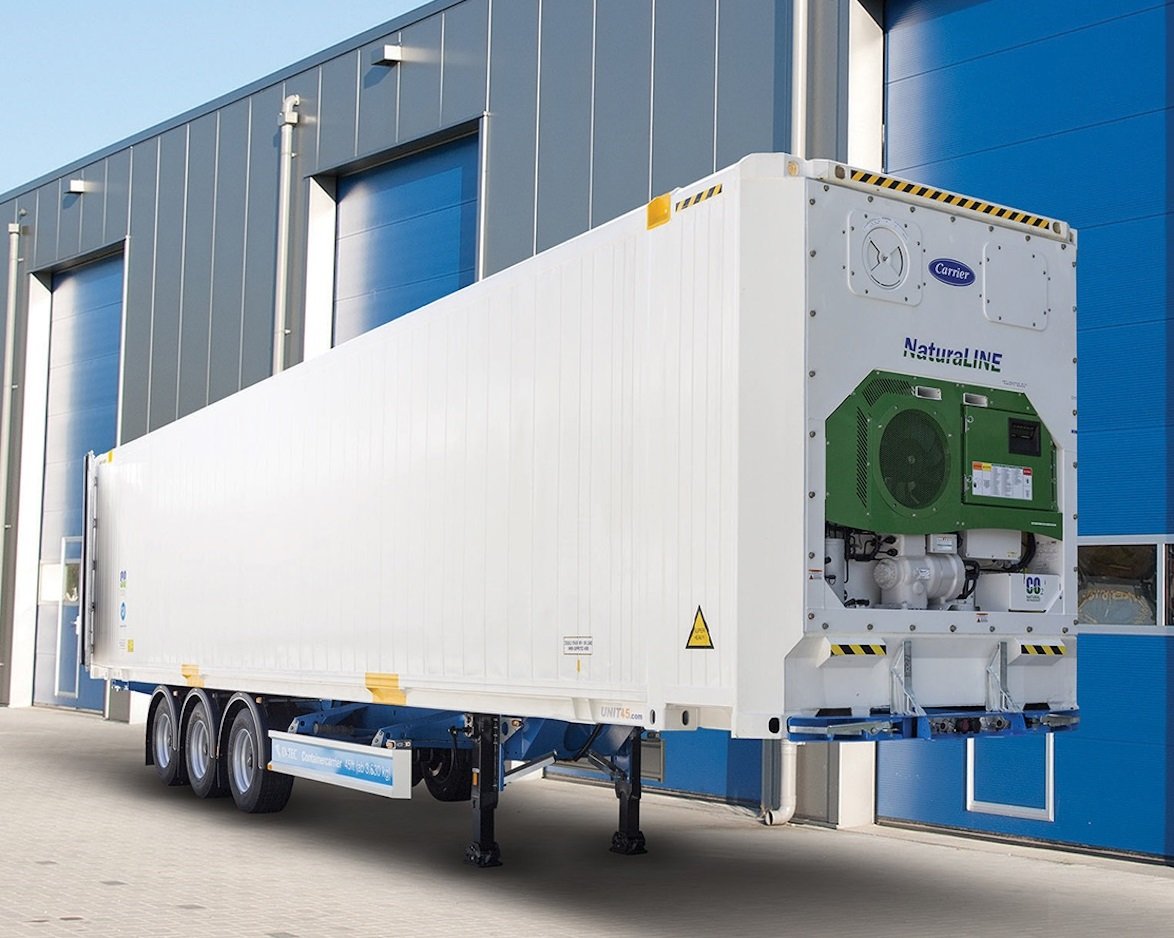
SeaCube Acquires 200 Carrier Pods Monitored by Sensitech to Help Meet Global Vaccine Distribution Needs

SeaCube Containers LLC recently acquired 200 Carrier Pods monitored by Sensitech to help address the anticipated increase in demand for refrigerated storage capacity and cargo visibility in support of COVID-19 vaccine distribution. The systems offer reliable deep-frozen container refrigeration performance with telematics, data analytics and cargo monitoring capabilities.
 
“With the rush to get billions of vaccines distributed and administered globally, the cold chain is expected to face some challenges for pharmaceutical companies, distribution centers, retailers and vaccine administrators,” said Bob Sappio, CEO of SeaCube. “We believe Carrier Pods monitored by Sensitech can help our customers reduce their risk with mobile cooling solutions that provide added flexibility and insights into vaccine conditions. Since the onset of the pandemic, Carrier has worked closely with SeaCube to ensure that we are able to help meet shipping lines’ demand for refrigerated containers to help them to deliver critical food, medicine and other perishables.”
 
With Carrier Pods monitored by Sensitech, container refrigeration units deliver temperature control within +/- 0.25 degrees Celsius and temperatures down to negative 40 degrees Celsius, while their monitoring devices can track temperatures down to dry ice conditions of negative 95 degrees Celsius. Their mobility allows for easy relocation to address shifting capacity demands or temporary vaccine administration locations.
 
“This solution supports vaccine storage within strict temperature compliance guidelines and allows for vaccines to be in close proximity of wherever they are needed,” said Kartik Kumar, vice president and general manager, Global Container Refrigeration, Carrier. “We also expect to provide additional connectivity to the offering through the recently announced Lynx digital platform.”
 
Carrier Pods monitored by Sensitech are one of the solutions offered through Carrier’s Healthy, Safe, Sustainable Cold Chain Program to preserve and protect the supply of food, medicine and vaccines.

Get the daily refrigeration briefing

One email a day. Trusted by 3,000+ RACHP professionals.
More on Cold Chain

All on Cold Chain →

Insights

Secop's Solar Direct Drive (SDD) System Earns WHO PQS Approval – The Team Behind It
Article

Secop’s Solar Direct Drive (SDD) System Earns WHO PQS Approval – The Team Behind It

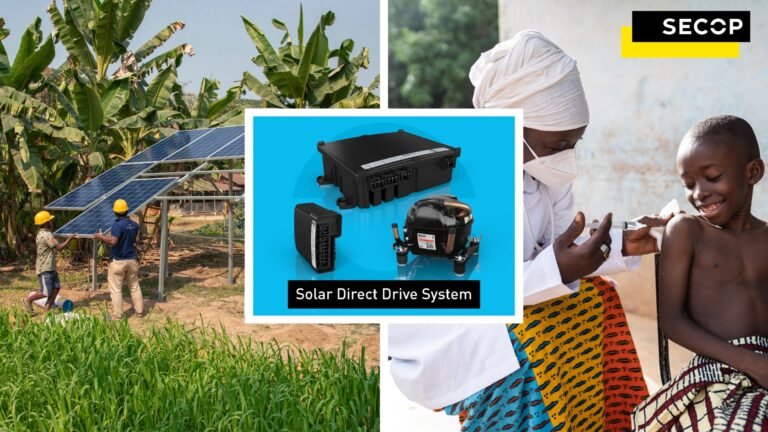
Partner's material In March 2026, Secop’s Solar Direct Drive Power Management Module was granted WHO PQS prequalification and officially listed in the WHO Catalogue of Prequalified Immunization Devices. The WHO IMD-PQS (Immunization Devices Performance, Quality and Safety programme) is the global benchmark for cold chain equipment used in immunisation. Being listed in its catalogue is

22 Jun 2026
Case Study - Effect of Louvers or diffusers on air flow distribution and cooling time on a meat log during Chill cycle
Tech Guide

Case Study – Effect of Louvers or diffusers on air flow distribution and cooling time on a meat log during Chill cycle

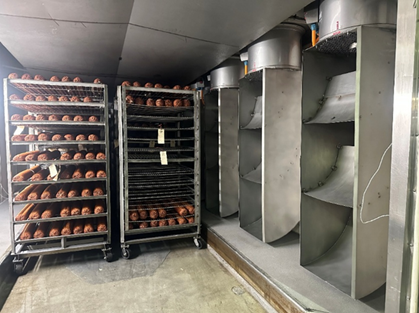
By Kushal Aurangabadkar An experimental analysis was conducted on a cooler space measuring 3.66 m × 6.096 m (12.0 ft × 20.0 ft), equipped with an ammonia refrigeration coil, five 30 cm (12 in.) fans, and five diffusers. The study measured airflow patterns, cooling rates, and heat transfer efficiency in meat storage by testing two configurations:

Kushal Aurangabadkar · 21 Jan 2026
Total Cost of Ownership (TCO) for Modular Refrigeration Systems in Life Sciences Distribution Centers
Tech Guide

Total Cost of Ownership (TCO) for Modular Refrigeration Systems in Life Sciences Distribution Centers

by Ramez Naguib, P.E. Introduction Life sciences distribution centers are under immense pressure to deliver consistent temperature control, comply with increasingly stringent regulations, and optimize operational efficiency. Traditional built-up refrigeration systems often prove cumbersome, costly, and slow to implement. In contrast, modular, factory-assembled refrigeration systems have emerged as a compelling alternative. Drawing on lessons from

14 Jan 2026
Everything on Cold Chain: 2,046 articles, 2 case studies, 23 insights

Most read this month

All news →