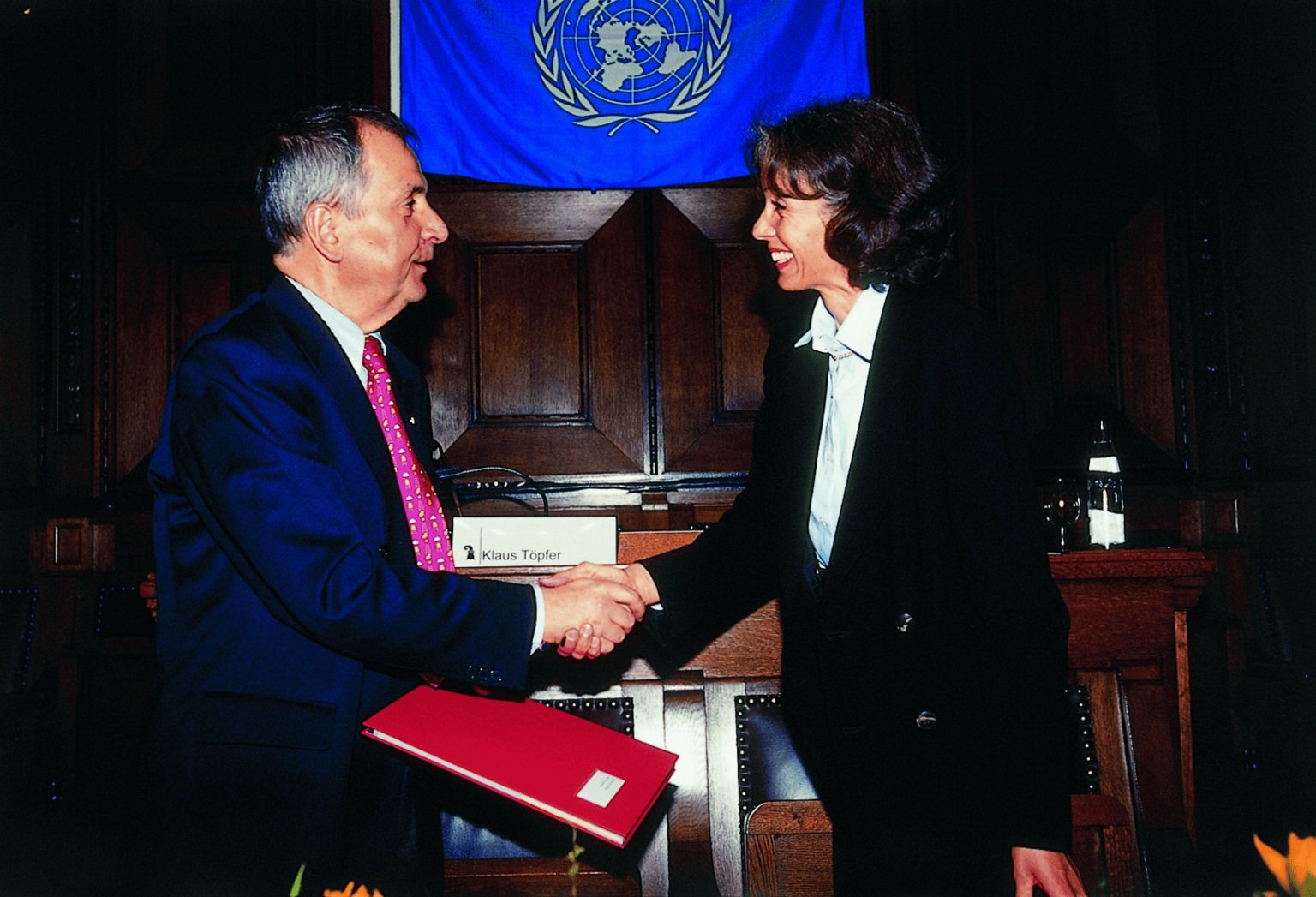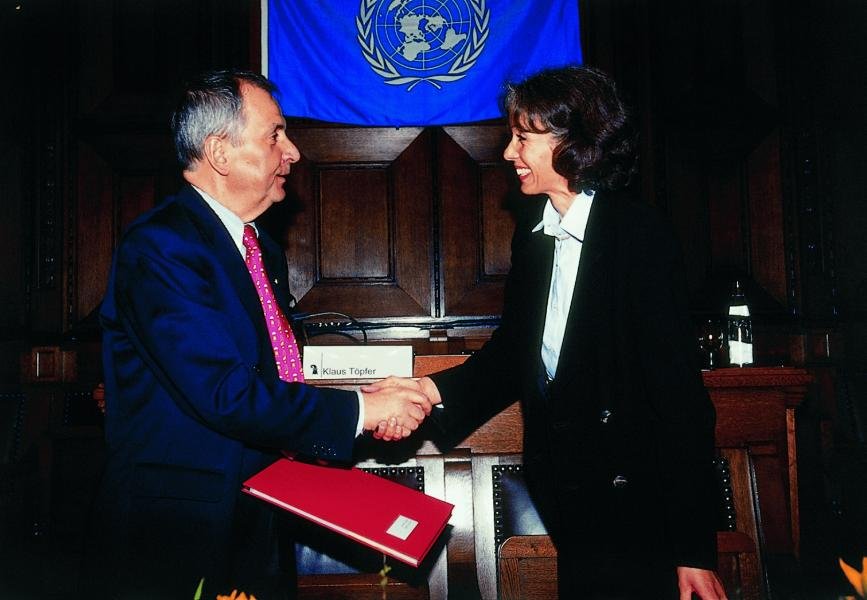
BASE, the Basel Agency for Sustainable Energy, is marking 25 years of work on financing strategies and business models for climate change mitigation and adaptation. Founded in 2001 as a Swiss not-for-profit foundation and a Specialised Partner of the United Nations Environment Programme, BASE has developed market-driven approaches intended to unlock investment in climate-friendly solutions.
The organisation’s early work focused on sustainable energy finance, including the Financing Sustainable Energy Directory in 2002, the Gold Standard in 2003 and the Sustainable Energy Finance Initiative with UNEP in 2004. In 2021, BASE broadened its mandate to include wider climate solutions, including adaptation, the circular economy transition, and nature conservation and restoration.
Cooling and refrigeration have become a major part of BASE’s work. From 2016, BASE worked with UNEP’s United for Efficiency programme and partners in Ghana and Senegal to design ECOFRIDGES, a financing mechanism that lets salaried workers and utility customers pay for efficient cooling appliances through deductions on wages or utility bills. In 2019, BASE launched the Cooling-as-a-Service initiative with funding from the Clean Cooling Collaborative, allowing customers to pay for cooling as a service while technology providers retain ownership and operational responsibility.
BASE later used the Cooling-as-a-Service model for Your Virtual Cold Chain Assistant, a programme deploying solar-powered cold rooms for smallholder farmers that originated in India and Nigeria before being replicated in Guinea-Bissau and Iraq. In 2022, the Coldtivate app was developed to manage inventory and predict the remaining shelf life of stored produce. Pilot results from Odisha showed spoilage falling from 17 percent to 4 percent and farmer incomes rising by nearly 30 percent.
BASE has also extended its business-model work into electric mobility, Virtual Power Plants, sustainable finance frameworks and servitisation. In 2022, it launched the Servitisation for Energy Transition Alliance, which now brings together more than 80 companies and organisations across sustainable energy technologies, from lighting to heating and storage.
“BASE was founded on a conviction that remains more urgent than ever: that addressing climate change requires the right financing strategies and business models, not just the right policies and technologies, to make clean solutions genuinely competitive, affordable and scalable,” said Daniel Magallon, Managing Director, BASE Foundation.