TFA from R1234yf sparks concern as EU considers PFAS phase-out by 2035.
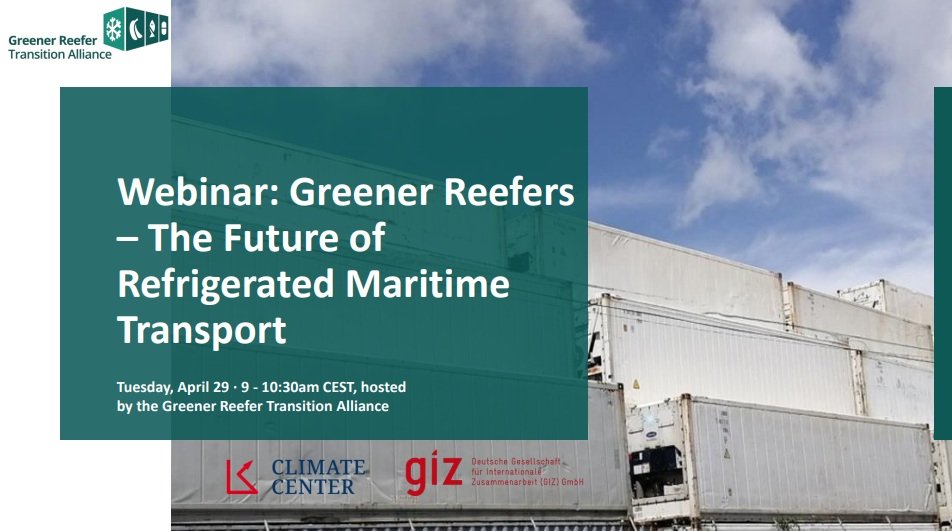
Refrigerated containers used in maritime transport are under scrutiny for their role in spreading persistent chemicals known as PFAS, as presented during the “Greener Reefers – The Future of Refrigerated Maritime Transport” webinar on April 29, 2025. Dr. Daniel de Graaf of the German Environment Agency (UBA) outlined the environmental and health risks associated with synthetic refrigerants like R134a and R1234yf, both of which contribute to the formation of trifluoroacetic acid (TFA), a PFAS compound.
R134a, commonly used in reefers, breaks down into TFA in the atmosphere, with an estimated 10% of its emissions converting into this stable and water-soluble compound. R1234yf, a newer refrigerant with lower GWP, is even more problematic in this regard: 100% of its emissions eventually degrade into TFA. Once formed, TFA enters water systems, soil, and the food chain, where it accumulates over time due to its persistence and toxicity.
“TFA contamination is already widespread across the EU,” Dr. de Graaf stated. “It’s found in drinking water, soil, and even human urine. In Germany, refrigerants are now the main source of environmental TFA—surpassing even pesticides and pharmaceuticals.”
The European Chemicals Agency is reviewing a proposed PFAS ban under the REACH regulation, led by Germany, the Netherlands, Denmark, Norway, and Sweden. If approved, it would restrict most PFAS-containing products starting in 2028, with a 6.5-year transition for reefer applications, leading to a complete phase-out by 2035.
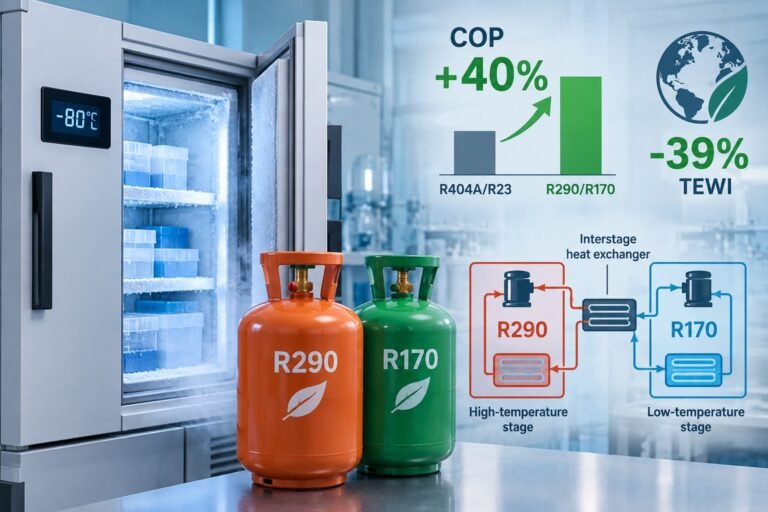
UBA emphasized that safer alternatives exist. Natural refrigerants such as R290 (propane) and R744 (CO₂) do not contribute to PFAS pollution or TFA formation. While R290 is flammable, it can be safely used under established international safety standards.
The findings were part of a white paper titled “Accelerating the transition to climate and environmentally friendly reefers,” developed by the Kuehne Climate Center and GIZ’s Greener Reefers project. The initiative is financed through the International Climate Initiative of the German Federal Ministry for the Environment, Nature Conservation, Nuclear Safety and Consumer Protection (BMUV).