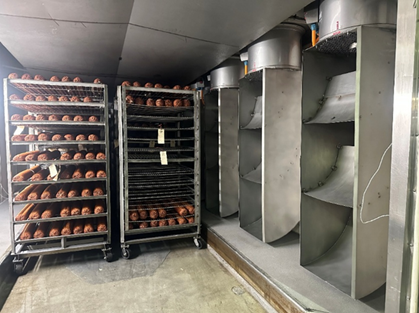
Addressing the intertwined challenges of climate change and food security necessitates innovative solutions. Your Virtual Cold Chain Assistant (Your VCCA), initiated in Nigeria in 2021 by the BASE Foundation and Empa, advocates for adopting cold storage solutions. By innovating business models, digitalising operations, and capacity-building, Your VCCA aims to make cold storage more accessible.
Your VCCA offers a host of benefits. It significantly reduces post-harvest losses, thereby increasing farmer incomes and enhancing regional food security. But how does it achieve such diverse goals? During a visit to Nigeria, the Your VCCA team interacted directly with cooling companies and users at pilot sites, offering insights into its operational mechanisms and efficacy.
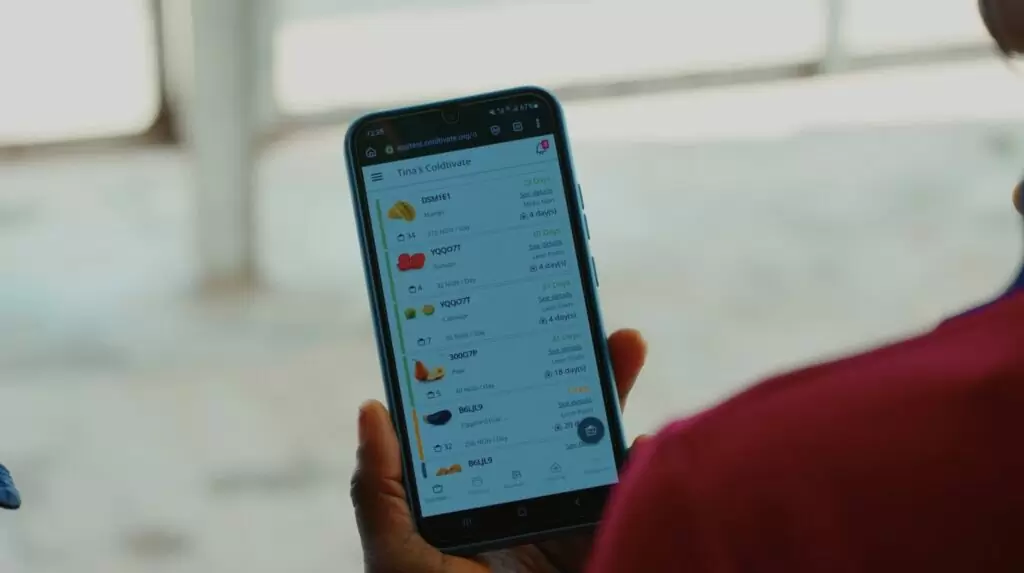
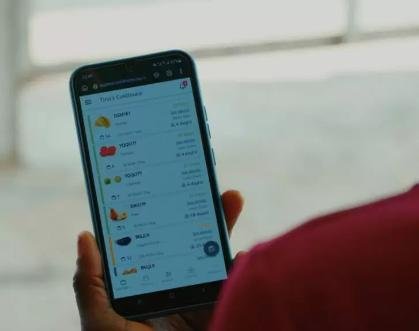
Cooling companies lauded Your VCCA’s technological advancements, particularly the Coldtivate app, which enables real-time monitoring of crate shelf-life during storage and facilitates digitalised inventory management. The digitalisation of the cold room enhances operational efficiency and facilitates the provision of tailored services, thereby optimising resource allocation and better serving the agricultural community.
Similarly, cooling users have echoed these sentiments, emphasising the tangible benefits of reduced post-harvest losses attributed to improved access to cold storage facilities. This preservation of produce quality and quantity has translated into increased farmer incomes and enhanced market access. Consequently, it has fostered economic stability and promoted healthier dietary practices within communities.
West Africa experienced an untimely, scorching heat wave in mid-February 2024, with temperatures surpassing 60°C. With global temperatures climbing 2°C above pre-industrial levels, the oppressive heat witnessed during the recent wave is a prelude to a grimmer forecast. Experts warn of an impending surge, projecting a rise of 1.2°C to 3.4°C in the humid heat, with similar weather events becoming three to ten times more probable.
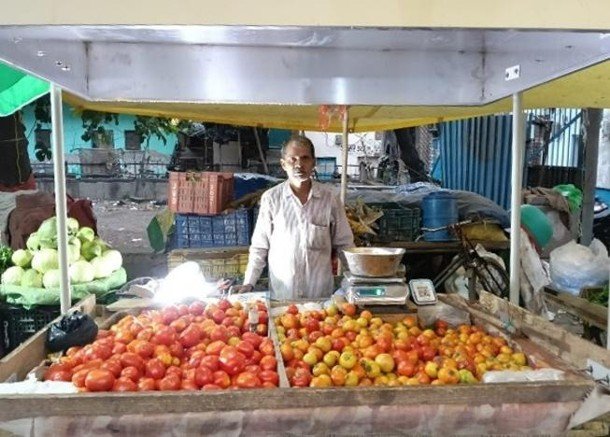
Rising temperatures have multifaceted impacts on our lives, profoundly affecting the survival of numerous vulnerable populations. Heat-induced crop damage poses a significant threat to food security, a reality exemplified in Nigeria. The country grapples with substantial post-harvest losses – nearly 50 percent – of its fresh fruits and vegetables and associated resources due to inadequate cold storage and transportation infrastructure. These losses, particularly pronounced due to the absence of an end-to-end cold chain connecting the crop-producing regions of the North with bustling markets in the South, exacerbate food insecurity.
Moreover, this inefficiency within food systems is perpetuated by and contributes to climate change. Wasted crops emit greenhouse gases, thus amplifying the environmental footprint of agricultural practices.
Through a combination of technological innovation, personalised services, and stakeholder engagement, Your VCCA is emerging as a pivotal effort in assisting farming communities in adapting to climate change and building more resilient fresh food supply chains.
Your VCCA in Nigeria is supported by the Fund for the Promotion of Innovation in Agriculture (i4Ag), commissioned by the Federal Ministry for Economic Cooperation and Development (BMZ). The project is being carried out by the BASE Foundation and Empa on behalf of Deutsche Gesellschaft für Internationale Zusammenarbeit (GIZ) GmbH.
In November 2023, the Your Virtual Cold Chain Assistant team embarked on a visit to Osun and Delta states in Nigeria to engage with stakeholders integral to the fresh produce cold chain. The impact of climate change on the daily livelihoods of Nigeria’s farmers and traders was glaringly evident: recurring heat waves resulted in crop damage, negatively impacting livelihoods and posing a threat to local food security. Recognising the need to raise awareness about the challenges faced by farmers due to inadequate access to storage facilities and the solution offered by Your VCCA, the team and a local filming crew put together a documentary.