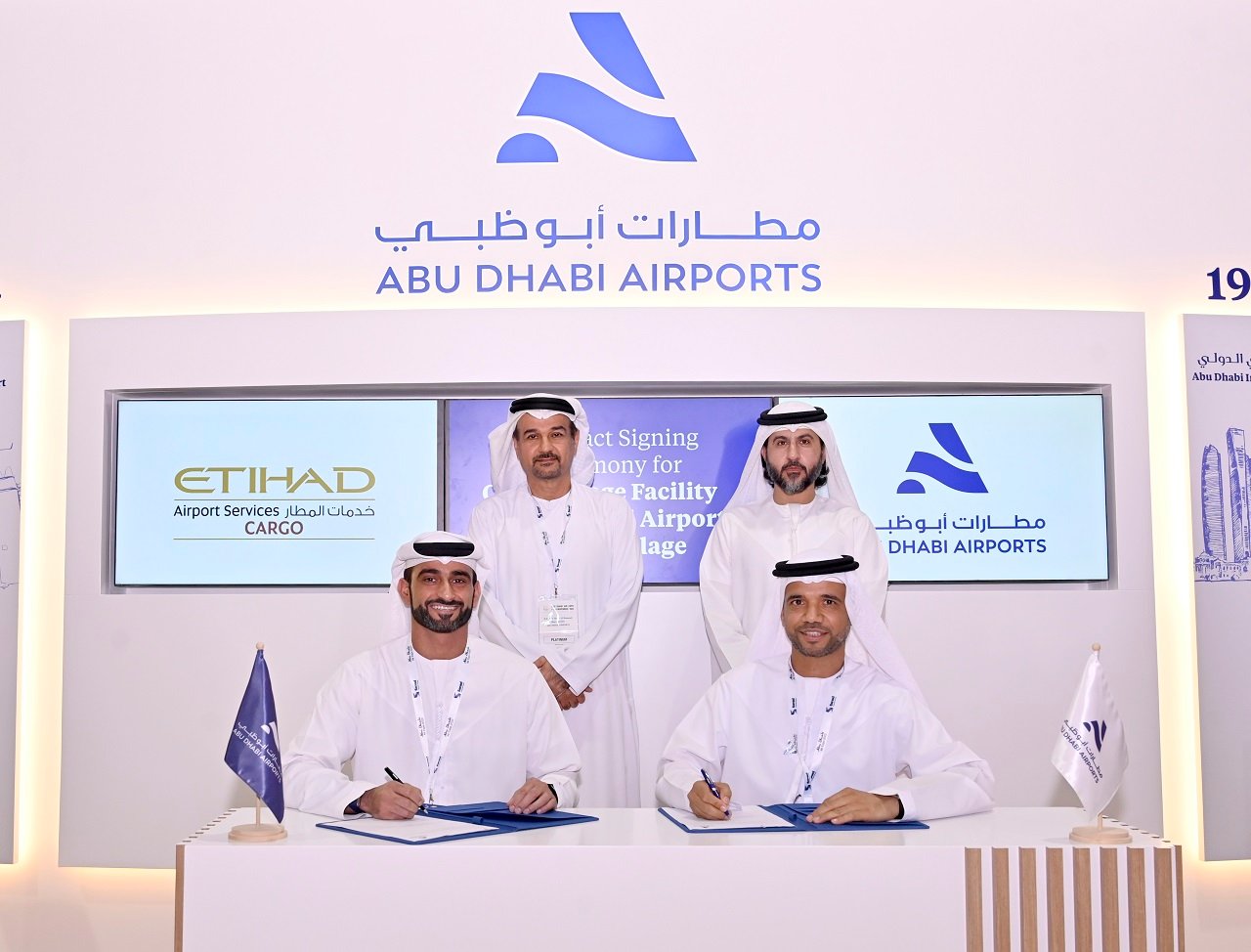
Etihad Cargo, the cargo and logistics arm of Etihad Aviation Group, in partnership with Etihad Airport Services and Abu Dhabi Airports, are preparing to launch a new state-of-the-art pharmaceutical cool chain facility. Due to go into operation soon, the facility will significantly expand Abu Dhabi International Airport’s (AUH) pharmaceutical handling and storage.
Etihad Cargo’s customers will benefit from the carrier’s expanded International Air Transport Association (IATA) Center of Excellence for Independent Validators (CEIV) Pharma certification for pharmaceutical and life science logistics and provision of world-class, end-to-end temperature-controlled solutions for the transportation of pharmaceuticals across the carrier’s global network.
Prior to the opening of the new pharmaceutical facility at the carrier’s Abu Dhabi hub, Etihad Cargo transported over 50,000 tonnes of cool chain products, including pharmaceutical and healthcare products via its PharmaLife product and fresh produce via its IATA CEIV Fresh-certified FreshForward product, in the past twelve months. The launch of the expanded, dedicated pharmaceutical hub will double Abu Dhabi Airport’s cool chain storage capacity and enhance the airport’s capabilities for the storage, handling and transportation of cool chain products.
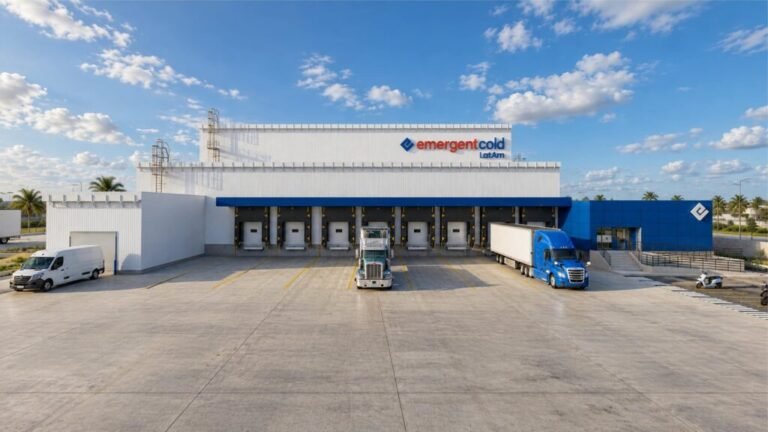
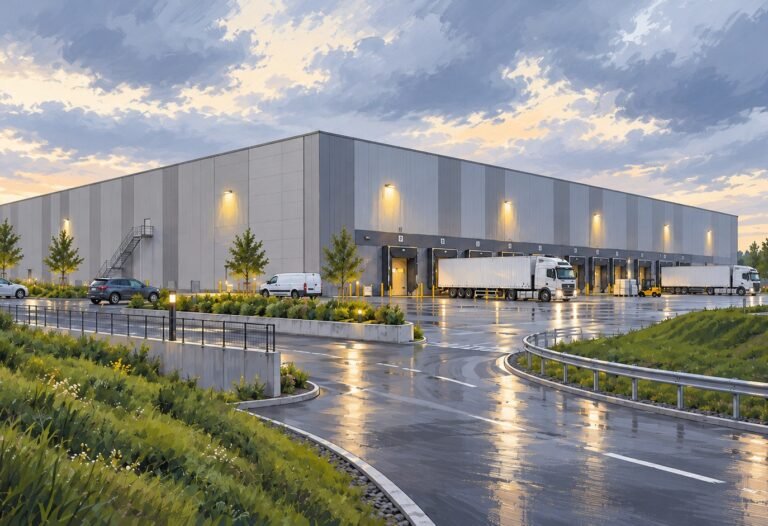
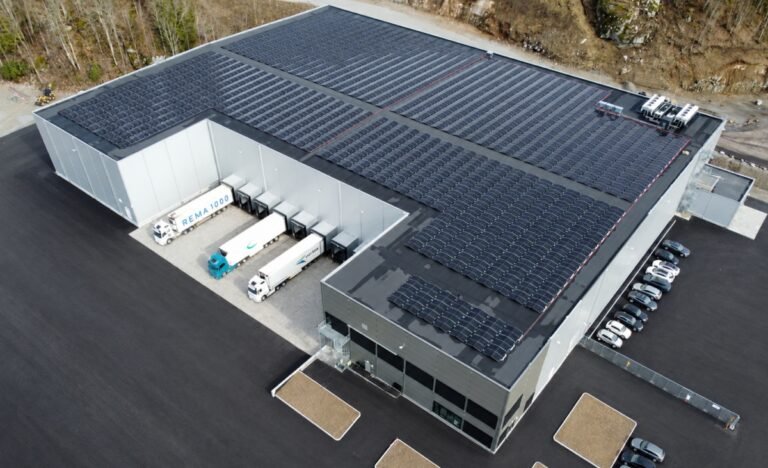
The additional 3,000 square-metre facility comprises the latest technology and features, including bulk loading docks with levellers, high-speed roll-up shutters, insulation and a real-time temperature monitoring system, which will enable faster and more efficient loading with stricter temperature controls, increased storage space, additional build-up and breakdown zones for improved production workflows and upgraded cool chain facilities for Etihad Cargo’s PharmaLife handling and storage operations. The new facility will also feature new x-ray screening for customs inspections within a fully temperature-controlled environment and new dedicated thermal covers.
The new cool chain facility will enable the safe storage and handling of a vast range of pharmaceutical products requiring different temperatures and conditions. To meet the requirements for transporting dangerous goods in frozen and deep-frozen conditions, PharmaLife provides premium tailored solutions to handle temperature-controlled conditions from -80 to 25 degrees Celsius via the carrier’s portfolio of leased active and hybrid containers. Etihad Cargo also utilises traditional containers that meet standard temperature requirements, from 2 to 8 and 15 to 25 degrees Celsius.
From the newly established pharmaceuticals hub, Etihad Cargo will continue to work closely with customers and partners to ensure the smooth, efficient, safe and on-time delivery of pharmaceuticals and life sciences products. To meet the requirements of personalised medication and treatment, including cell and gene therapies, Etihad Cargo is exploring the utilisation of artificial intelligence to improve forecasting and automation to enhance the carrier’s current capacity and capabilities.
Via the expanded cool chain facility, Etihad Cargo will also be further investing in sustainable solutions to make the transportation of pharmaceuticals more environmentally friendly, in line with Etihad Aviation Group’s sustainability plans and pledge to achieve net-zero carbon emissions by 2050. The carrier has already replaced 3,000 containers from its original aluminium unit load device (ULD) fleet with a more environmentally friendly, lightweight version. More recently, Etihad Cargo entered into a memorandum of understanding (MOU) with B Medical Systems to develop and launch the world’s first airline-specific passive temperature-controlled container. In the coming months, Etihad Cargo will be participating in Pharma. Aero’s green pharma lane project, expanding on the successful launch of Pharma Corridor 2.0.