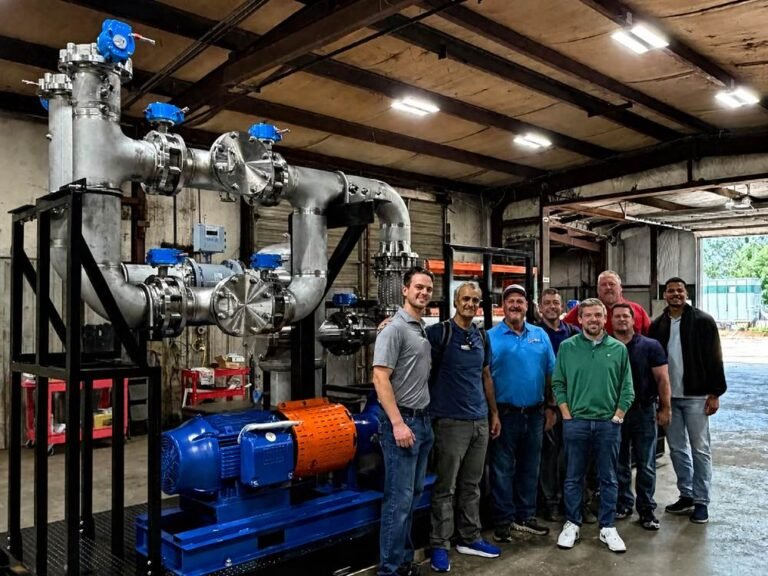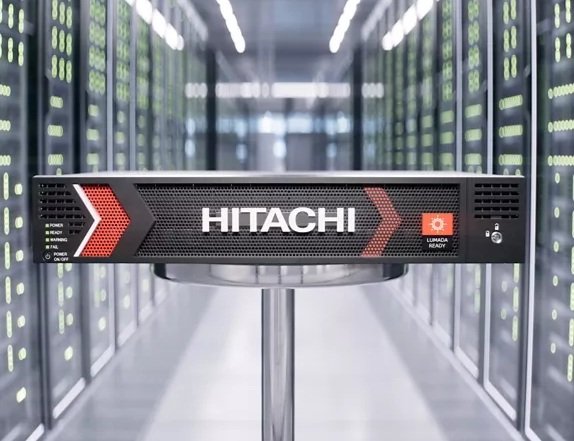
Hitachi Vantara has deployed a Phase Change Material (PCM) thermal management system developed by Dutch company Duraflow at its data center in the Netherlands. The installation, described as one of the world’s largest operational PCM deployments, is designed to reduce cooling electricity consumption and make more of the facility’s existing power capacity available for AI and computing workloads.
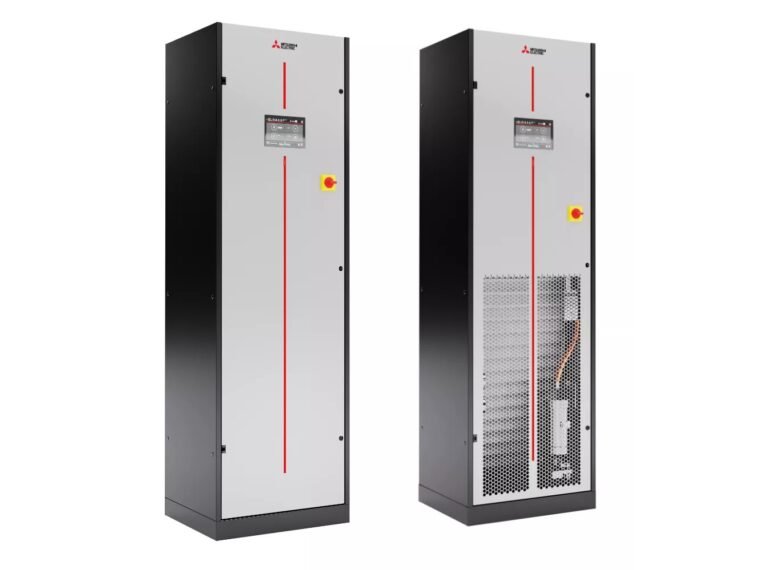
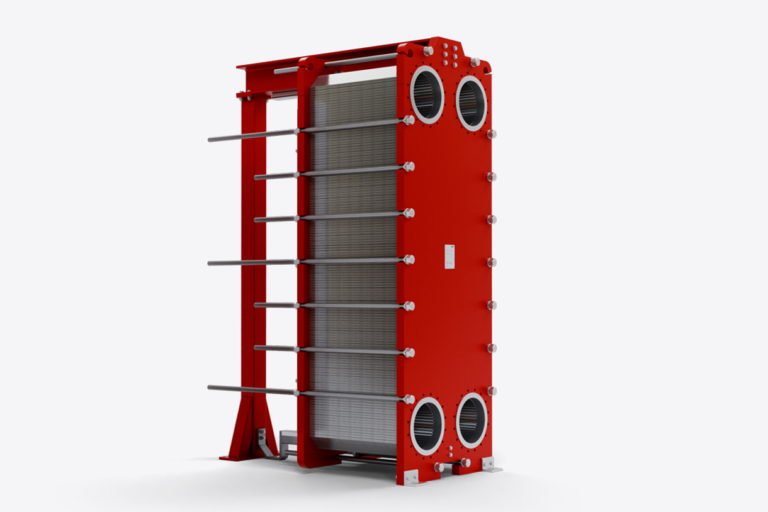
The system delivers 240 kW (approximately 819,000 BTU/h) of cooling capacity through two 120 kW (approximately 409,000 BTU/h) PCM units. According to operational monitoring data, the units consume a combined 5–8 kW of electricity, depending on operating conditions. By comparison, a conventional direct expansion (DX) cooling system providing the same capacity would require an estimated 60–80 kW of compressor power.
Duraflow’s PCM technology absorbs thermal energy during periods of peak demand and releases it in a controlled manner as demand decreases. The system requires no water for cooling and, depending on the application, can reduce electricity consumption associated with thermal management by up to 90%.
The deployment addresses limitations in available electrical capacity as demand for high-density computing and AI infrastructure increases. By reducing electricity consumption for thermal management, Hitachi Vantara aims to allocate a greater proportion of its existing power supply to computing operations without requiring additional grid capacity.
“This project started with a very practical challenge: how do we grow our computing capacity when access to additional electricity is limited,” said Simon Ninan, Senior Vice President of Business Strategy at Hitachi Vantara. “We realized that if we could dramatically reduce the amount of power required for thermal management, we could make more of our existing electrical capacity available for computing. By partnering with Duraflow, we are demonstrating how smarter energy management can become an important enabler of AI growth.”