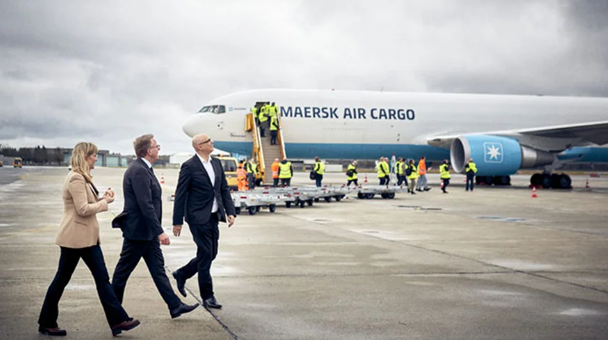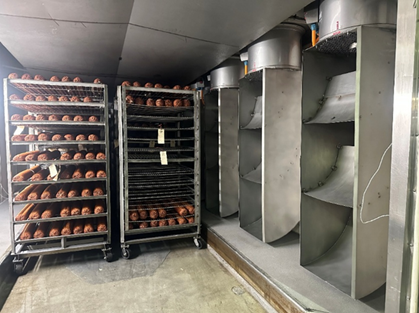
Maersk Air Cargo’s future strategy in Europe have been laid, thanks to the launch of the Billund Hub.The new facility is home to a fully equipped 4000m² import and 13,000m² export facility, as well as separate areas for cold storage, dangerous goods, scanning and unit load device (ULD) handling.
Billund Airport itself is conventionally small as far as European airports go, with just 29 airlines flying to 67 destinations and estimated passenger traffic of 3.5 million annually.
For customers, this means transit is more reliable, with flights being traditionally less susceptible to congestion and delays at smaller airports. However, the key benefits at Billund stem from Maersk being the airport’s number one customer on the ground, as Maersk aircraft are subject to priority loading and unloading by crew.
Air freight customers are particularly vulnerable to such delays given the time-sensitive nature of their cargo, so getting goods off planes and on to the next part of the journey as fast as possible is crucial for meeting demand. With less areas of supply chain vulnerability, customers can better plan their logistics operations and ultimately ensure faster speed to market for revenue opportunities.
Speaking at the launch of the Billund Hub, Lars Vorm Rudnicki, VP of Indirect Procurement and Supplier Development at energy company Danfoss, outlined the benefits of integrated logistics: “We are using Maersk today on the ocean and of course there’s been some very challenging times on transportation lately. I think we have really shown how to work together and face these challenges and by that I think we have the right partnership going forwards, also on air freight. From Danfoss’ side, we are really looking forward to taking the journey on the new chapter that you’re opening here at Billund.”